
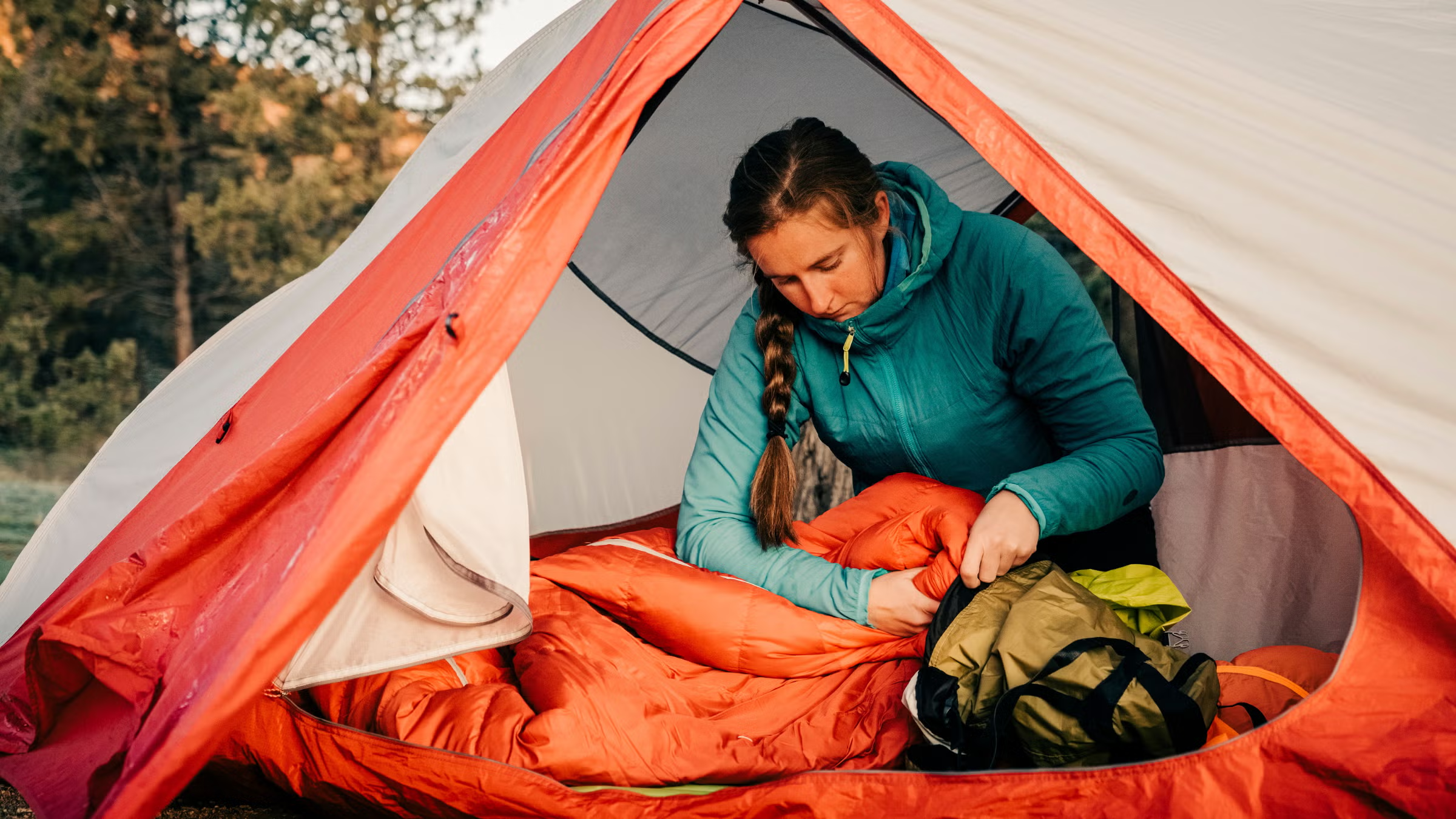
Proper storage of your sleeping bag is essential to maintain its insulating properties and extend its lifespan. By following these expert-recommended practices, you can ensure your sleeping bag remains in optimal condition for your next adventure.
1. Avoid Long-Term Compression
Storing your sleeping bag in a compressed state, such as in its stuff sack, can damage the insulation over time. Both down and synthetic fills require space to loft properly, which is crucial for effective insulation. Prolonged compression can lead to a loss of loft and reduced thermal efficiency. (rei.com)
2. Use a Large, Breathable Storage Sack
After each trip, remove your sleeping bag from its stuff sack and place it in a large, breathable cotton or mesh storage sack. This allows the insulation to expand fully and promotes airflow, preventing moisture buildup and potential mold growth. Ensure the storage area is cool, dry, and away from direct sunlight. (rei.com)
3. Store in a Cool, Dry Place
Choose a storage location that is both cool and dry, such as a closet in your home. Avoid areas with high humidity or temperature fluctuations, like basements, attics, or garages, as these conditions can degrade the materials and insulation of your sleeping bag. (rei.com)
4. Regularly Air Out Your Sleeping Bag
Between uses, it’s beneficial to air out your sleeping bag to prevent moisture buildup and maintain freshness. Hang it in a well-ventilated area for several hours, ensuring it’s completely dry before storing it. This practice helps preserve the loft and insulating properties of the fill. (rei.com)
5. Avoid Storing in Plastic Bags
Plastic bags can trap moisture and heat, leading to mold growth and material degradation. Always opt for breathable storage options to maintain the integrity of your sleeping bag. (rei.com)
By adhering to these guidelines, you can ensure your sleeping bag remains in excellent condition, providing reliable warmth and comfort for many camping trips to come.