
Research: User Behavior Determines Safety of Light Electric Vehicles on Cycle Paths
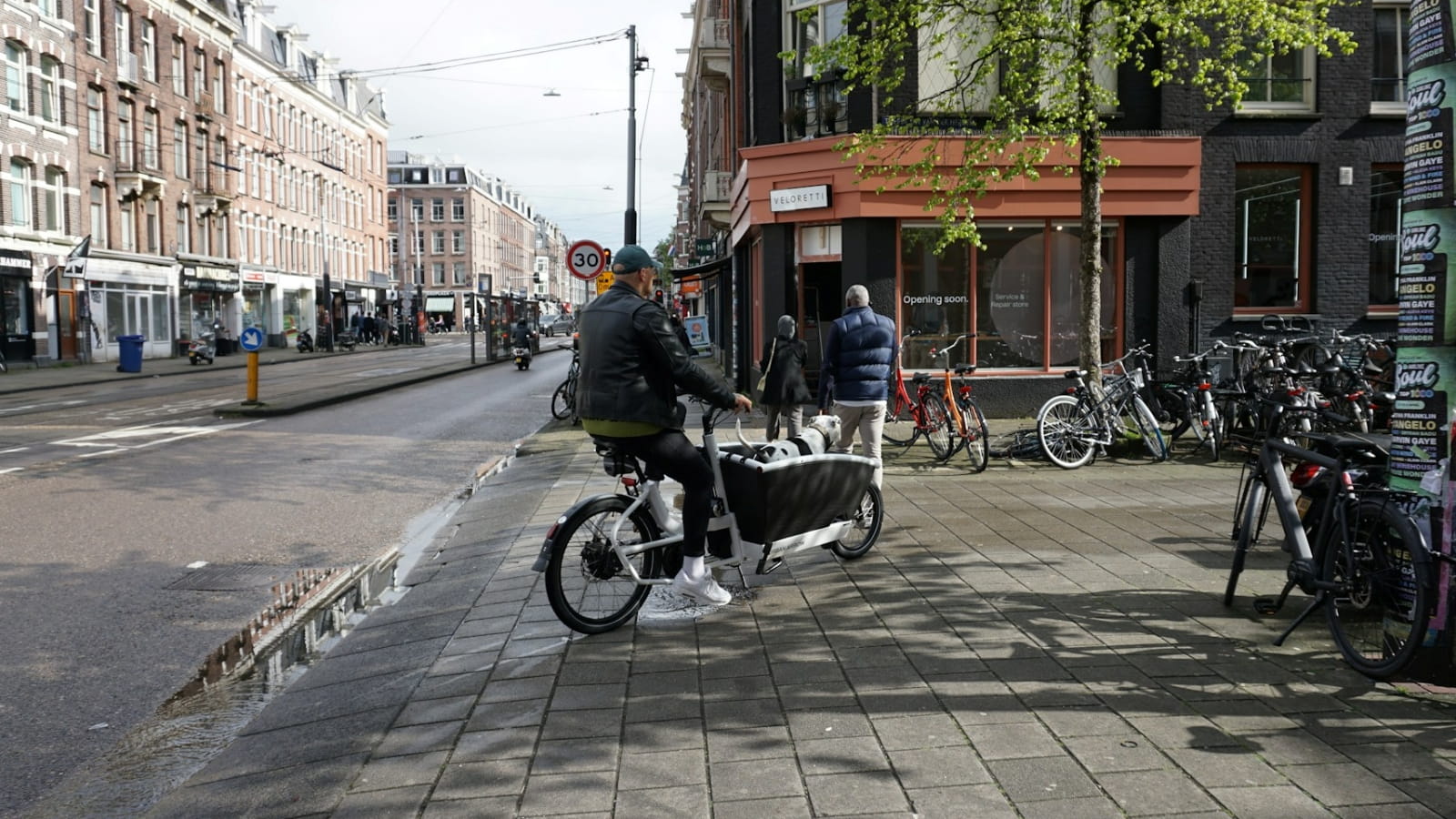
The Netherlands, renowned for its extensive cycling infrastructure, is witnessing a surge in light electric vehicles (LEVs) such as e-bikes, fatbikes, and electric cargo bikes. This influx introduces a diverse range of speeds, weights, and dimensions on cycle paths, prompting concerns about safety and the adaptability of existing infrastructure.
A Shift in Transportation Habits
A recent study by Breda University of Applied Sciences (BUas) and its partners surveyed nearly 2,000 Dutch residents. Approximately 25% expressed interest in acquiring a small LEV in the near future, with 75% of this group anticipating a reduction in car usage. This trend suggests that LEVs could serve as viable alternatives to car journeys, particularly in suburban and rural areas where traditional cycling may be less practical. (highways.today)
Behavioral Impact on Safety
The study employed eye-tracking technology, skin conductance sensors, and questionnaires to assess cyclists’ reactions to LEVs. Findings revealed that while LEVs attract more visual attention than conventional bicycles, this heightened awareness does not necessarily translate to increased stress or perceived danger, provided that LEV operators maintain predictable behavior and adhere to speed limits. This underscores the importance of user conduct over the mere presence of the vehicle in ensuring safety. (highways.today)
Infrastructure Considerations
Beyond user behavior, the study highlights the role of infrastructure in safety. Participants reported feeling systematically safer on segregated cycle paths. This finding emphasizes the need for wider and more clearly delineated cycling spaces to accommodate the varying speeds and sizes of LEVs, thereby reducing potential conflicts. (highways.today)
Policy Implications
The research advocates for measures focusing on user behavior, such as enforcing speed limits, setting age requirements, and promoting predictable riding patterns. Coupled with investments in well-designed and sufficiently wide cycling infrastructure, these strategies can facilitate the safe integration of diverse LEVs into the existing cycling network. This approach is particularly pertinent as discussions intensify regarding which vehicle types should be permitted on cycle paths. (highways.today)
In conclusion, the safety of light electric vehicles on cycle paths is predominantly influenced by user behavior and the quality of infrastructure. By fostering responsible riding habits and enhancing cycling facilities, the Netherlands can effectively integrate LEVs into its transportation ecosystem, promoting sustainability and reducing car dependency.