
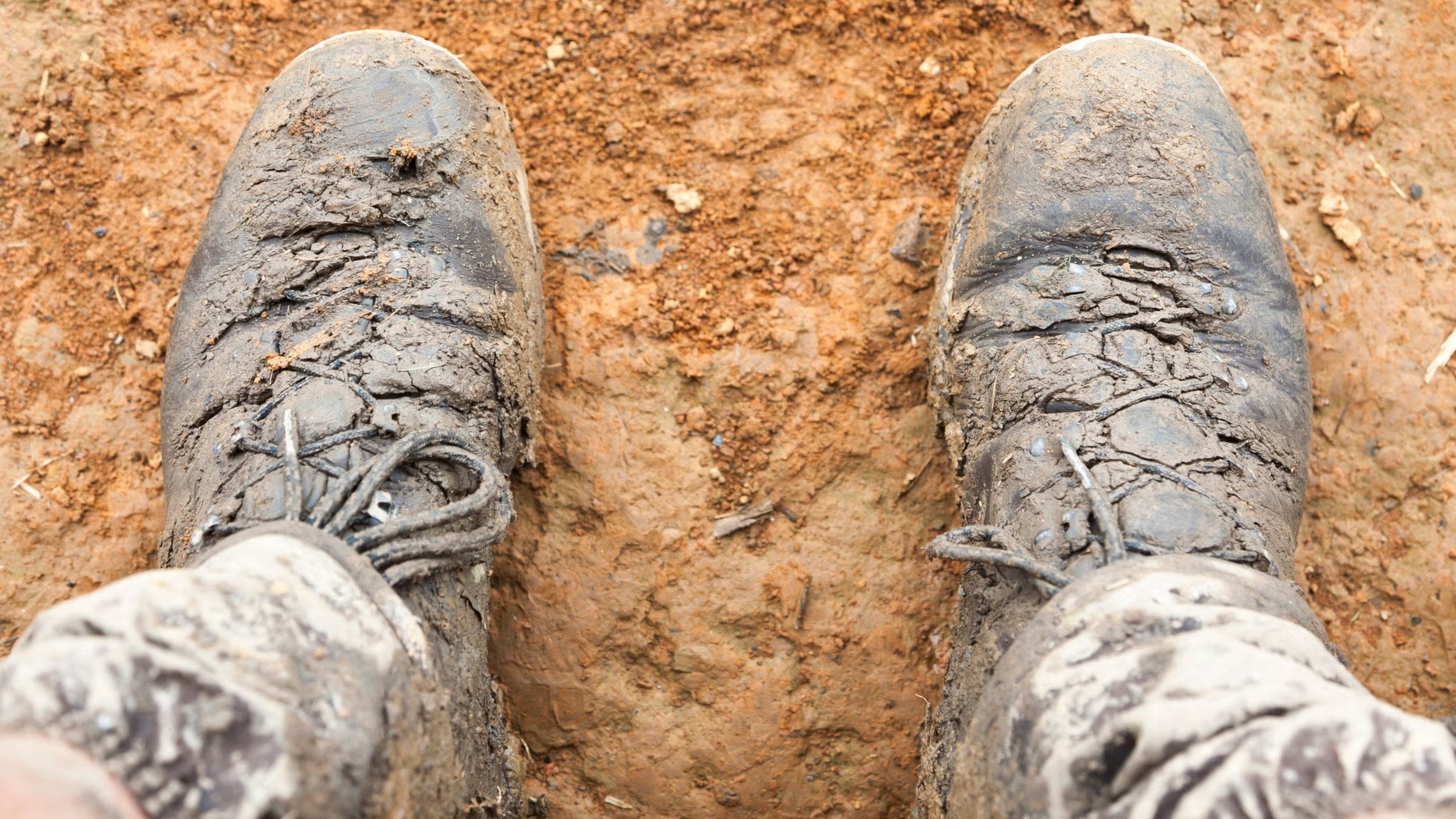
The (Surprisingly Affordable) Guide to Prolonging the Life of Your Hiking Boots
Hiking boots are designed for the rugged outdoors, enduring dirt, mud, and water with every step. However, with proper care, they can serve you faithfully for many years. Regular maintenance, cleaning, and timely repairs are essential to keep your boots in optimal condition.
1. Thorough Cleaning
After each hike, it’s crucial to remove dirt and debris to prevent material degradation.
-
Remove Laces and Insoles: Take out the laces and insoles to clean them separately.
-
Initial Rinse: Submerge the boots in lukewarm water to loosen dirt.
-
Cleaning Solution: Use a mild detergent or a specialized boot cleaner.
-
Scrubbing: Gently scrub the boots with a soft brush or cloth, paying attention to seams and crevices.
-
Rinse Thoroughly: Ensure all soap is washed away to prevent residue buildup.
-
Dry Properly: Air dry the boots away from direct sunlight and heat sources to maintain material integrity.
-
Waterproofing: Apply a suitable waterproofing treatment to restore water resistance.
2. Regular Maintenance
Consistent upkeep can significantly extend the lifespan of your boots.
-
Post-Hike Care: After each use, remove debris from the soles and check for any damage.
-
Drying: Remove insoles and let both boots and insoles dry completely in a well-ventilated area.
-
Storage: Store boots in a cool, dry place, away from direct sunlight and temperature fluctuations.
-
Insole Replacement: Over time, insoles can lose cushioning. Replace them as needed to maintain comfort and support.
3. Timely Repairs
Addressing issues promptly can prevent further damage.
-
Professional Services: Many brands offer repair services. For instance, Danner provides recrafting services, and LOWA offers resoling.
-
DIY Repairs: Minor issues like delaminated soles can be fixed at home using appropriate adhesives.
4. Recognizing When to Replace
Even with meticulous care, boots have a finite lifespan. Signs it’s time to replace include:
-
Midsole Compression: If the cushioning feels flat or less responsive, the midsole may be compromised.
-
Structural Degradation: Visible damage to the upper material or sole separation indicates significant wear.
By incorporating these practices into your routine, you can ensure your hiking boots remain reliable companions on many adventures to come.