
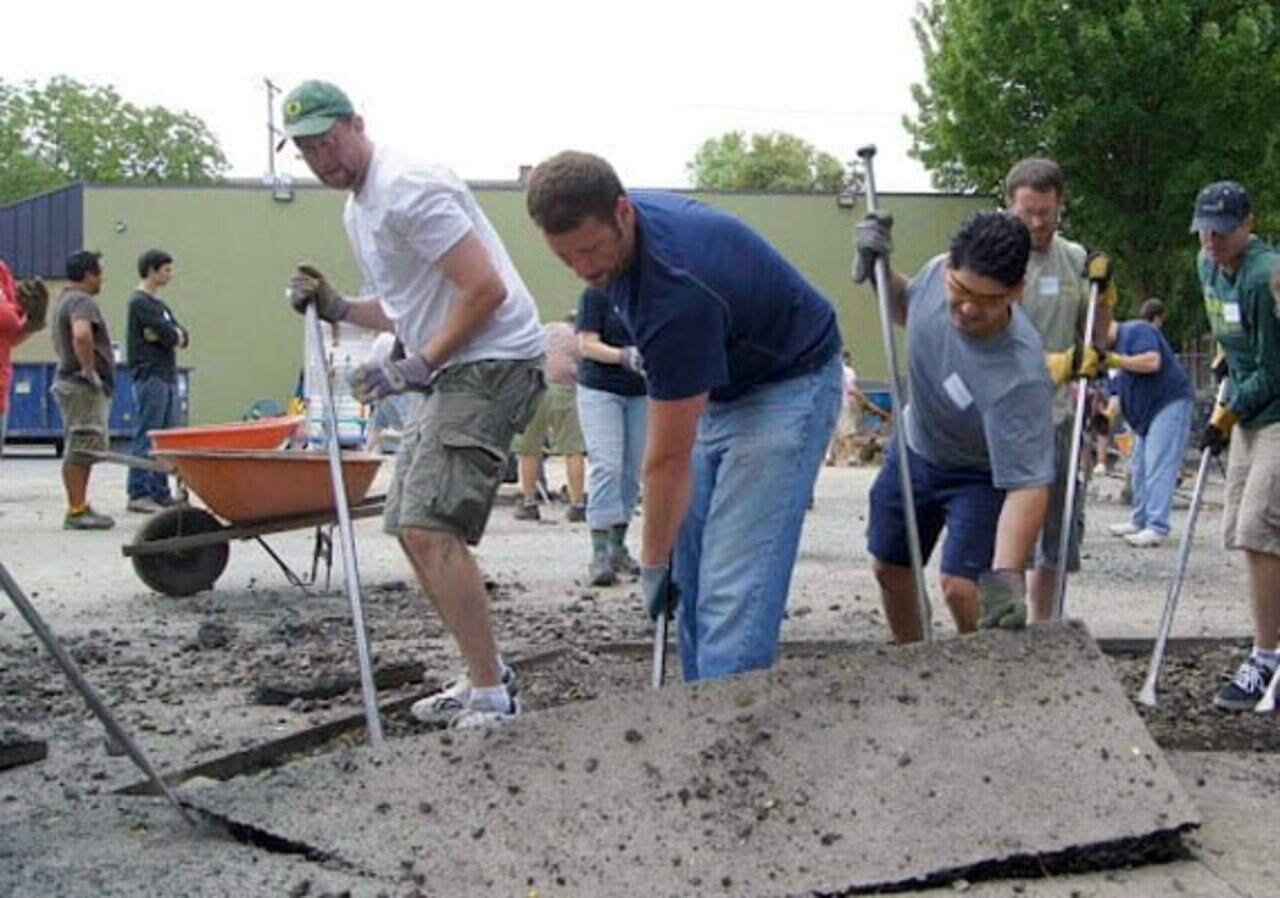
In a city historically intertwined with concrete and grey infrastructures, a fresh breeze is finally blowing through Genoa. Under the leadership of Mayor Silvia Salis, Genoa has become the first Italian city to officially incorporate the practice of “depaving”—the removal of asphalt and concrete—from its Urban Planning Master Plan (PUC). (genova.repubblica.it)
A Vision for a Greener Genoa
Mayor Salis emphasized the need for a paradigm shift: “It’s no longer enough to talk about reducing land consumption. We must reverse the trend: remove concrete, give space back to greenery and nature, and make the city cooler, more livable, and fairer.” (genova.repubblica.it)
This approach focuses on “urbanism of subtraction”: eliminating asphalt to provide space and breath for nature and citizens.
The Plan for Genoa: From Cornigliano to Schools
The depaving project aligns with the broader vision of the “15-Minute City,” promoted by the administration to make neighborhoods more autonomous and human-centric. In this new paradigm, “the soil is no longer a surface to cover but an ecosystem to protect. And greenery is no longer just urban furniture but a true social and climatic infrastructure.” (genova.repubblica.it)
The municipality is taking concrete steps, starting where it’s most needed: the first major intervention will target the Cornigliano district, an area that, in the words of the mayor, “has paid a very high environmental price.” The vast and scorching concrete square in front of Villa Bombrini will be dismantled to make way for a large urban park of over 13 hectares. (genova.repubblica.it)
But the commitment doesn’t stop at large squares. The administration plans to intervene in historic centers, playgrounds, and school courtyards. The goal, as Salis reminds us, is “to combat heat islands and protect the most vulnerable people.” (genova.repubblica.it)
In addition to direct interventions, a rewarding system is planned for those who embrace this philosophy: “We have introduced incentives for public and private construction, for those who depave, create rain gardens, and renaturalize the land.” (genova.repubblica.it)
Why Removing Asphalt Improves Street Livability
As we’ve often highlighted, reducing asphalt to give back to people, bicycles, and nature brings enormous structural benefits to the entire community. Depaving is not merely an aesthetic move but a powerful tool to redesign mobility and public space. In an era where the climate emergency sets the global agenda, endless stretches of bitumen trap heat, creating the infamous “heat islands” that make our urban summers unbearable and dangerous for health, especially for the elderly and vulnerable individuals. (genova.repubblica.it)
Moreover, the soil impermeabilized by concrete cannot absorb water during intense rains. This is a problem that a morphologically delicate city like Genoa knows well the tragic consequences of. Removing the artificial layer allows for the creation of sustainable urban drainage areas: rainwater can gradually infiltrate the ground, relieving pressure on sewers and preventing streets from turning into rivers during the increasingly frequent “water bombs.” (genova.repubblica.it)
A Model for the Entire Country
Mayor Salis’s initiative undoubtedly moves in the right direction and demonstrates that reversing the trend of autocentric urbanism is possible, especially when done through concrete and binding administrative acts like inclusion in the PUC. Genoa’s hope is to “become a European reference point” in terms of “social justice and environmental justice.” (genova.repubblica.it)
However, this vision should not remain the isolated action of a single administration. The rethinking of urban spaces, depaving, and climate mitigation should be at the top of the thoughts and concerns of the national government, as well as all other mayors in Italy. The effects of climate change—from extreme droughts to torrential rains—are evident to all and require a paradigm shift that can no longer be postponed. (genova.repubblica.it)
Implementing targeted policies to prevent these phenomena is certainly good and right, not only for the environment but for the quality of everyday life. Reducing paved surfaces means, in fact, taking space away from cars to give it back to active mobility, creating safer streets and more livable squares for those who move on foot or by bicycle. (genova.repubblica.it)
In conclusion, Genoa’s pioneering approach to depaving sets a significant precedent for urban transformation in Italy. By prioritizing green spaces and sustainable urban planning, the city is paving the way for a cooler, more livable, and environmentally friendly future.