
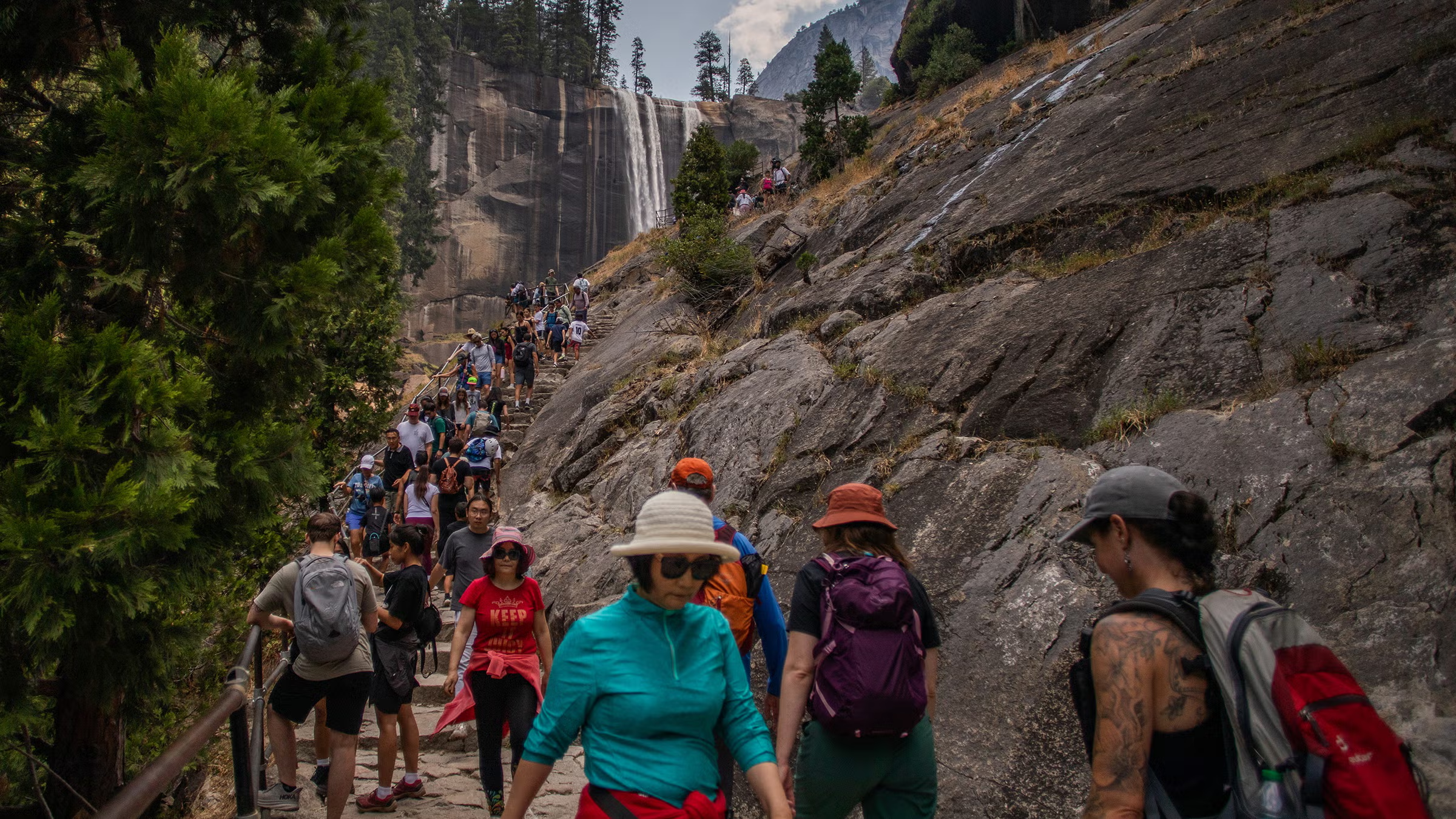
From San Francisco: Yosemite National Park Guided Day Trip | GetYourGuideExploring the Impact of National Park Reservation Systems on Visitor Equity
National parks, cherished for their natural beauty and recreational opportunities, have long grappled with the challenges of overcrowding and resource strain. In response, many parks have implemented reservation systems to manage visitor numbers and preserve the integrity of these public lands. However, recent studies suggest that these systems may inadvertently favor visitors from higher-income backgrounds.
The Shift to Reservation Systems
To mitigate overcrowding, parks like Yosemite, Acadia, and Rocky Mountain have introduced reservation requirements for entry and specific activities. These measures aim to distribute visitor traffic more evenly and protect sensitive ecosystems. For instance, Yosemite’s reservation system, established in 2020, was designed to alleviate severe traffic jams and environmental degradation. (npca.org)
Economic Disparities in Access
A pivotal study published in Nature Communications by economist Jonathan E. Hughes analyzed reservation data from seven national parks, including Acadia, Glacier, and Rocky Mountain. The research revealed that visitors who secured reservations—especially those for high-demand activities—tended to come from zip codes with median incomes 3–5% higher than those of visitors who obtained less competitive permits. Extending the advance purchase window to six months further shifted reservations toward users residing in zip codes with 5% higher income. (nature.com)
Factors Influencing Access Inequities
Several factors contribute to these disparities:
-
Advance Planning Requirements: Higher-income individuals often have the flexibility to plan vacations months in advance, aligning with reservation systems that favor early bookings.
-
Technological Proficiency: The need for quick, online reservations may disadvantage those less familiar with digital platforms or lacking reliable internet access.
-
Employment Flexibility: Jobs with rigid schedules may limit the ability to secure reservations, whereas professions with more flexible hours can accommodate the specific timing of permit releases.
Implications for Park Management
These findings underscore a significant challenge for park managers: designing reservation systems that balance resource protection with equitable public access. Without careful consideration of these factors, efforts to control crowding could inadvertently exacerbate income-based disparities in who can visit and enjoy the nation’s public lands. (nature.com)
Potential Solutions
To address these inequities, experts suggest several approaches:
-
Lottery Systems: Implementing lotteries for high-demand permits can provide equal chances for all visitors, regardless of income.
-
Staggered Release of Permits: Releasing permits in phases—ranging from months to weeks to days in advance—can accommodate different planning capabilities.
-
Educational Campaigns: Promoting digital literacy and providing resources can help bridge the technological gap among potential visitors.
Conclusion
As national parks continue to evolve in their management strategies, it is imperative to ensure that reservation systems do not inadvertently favor certain demographics. By acknowledging and addressing these disparities, park authorities can strive to make these natural treasures accessible to all, preserving their beauty and benefits for future generations.