
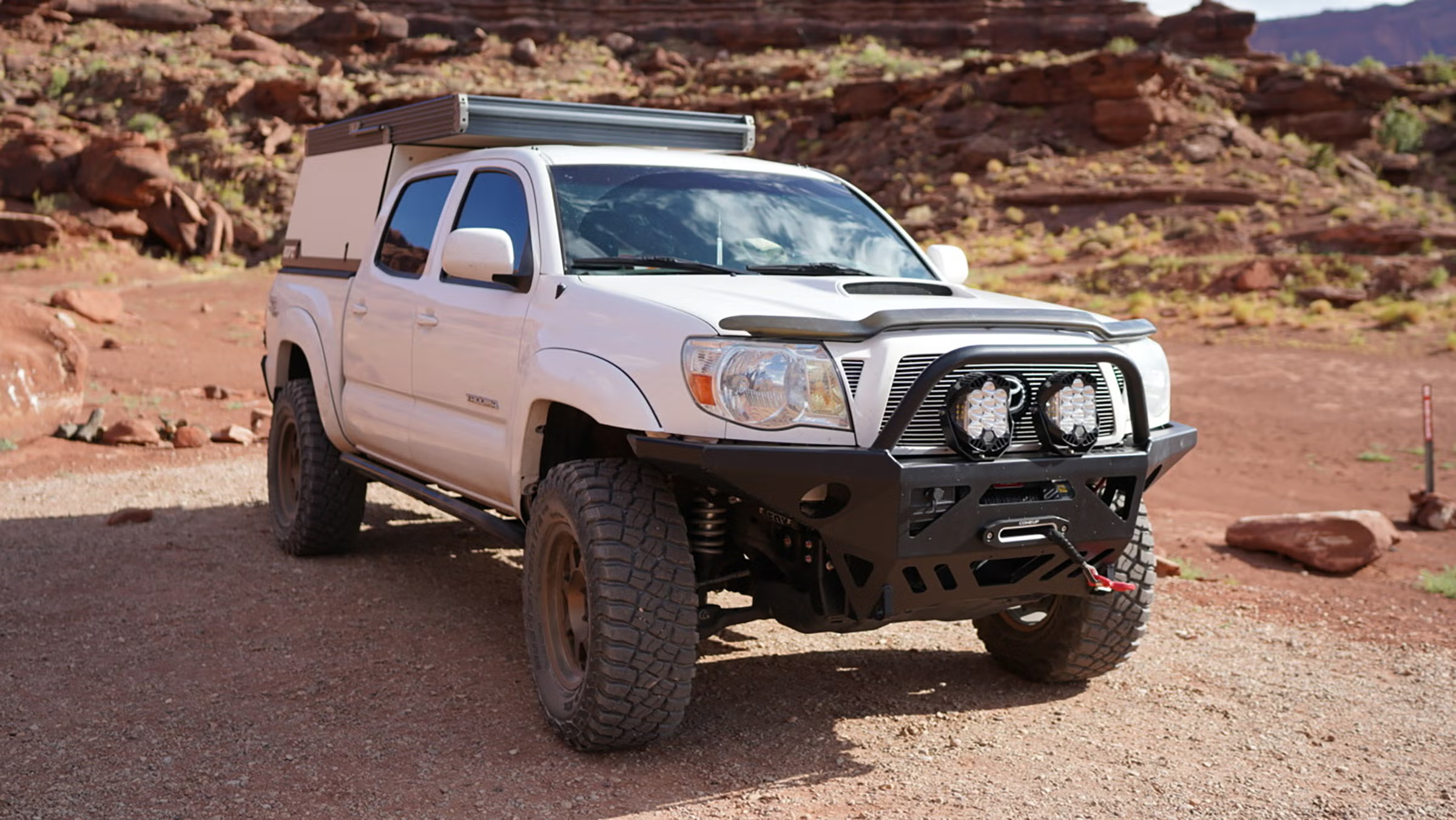
Embarking on an overlanding adventure requires careful selection of gear to ensure safety, comfort, and efficiency. Drawing from recent insights and expert recommendations, here’s a curated list of essential overlanding gear upgrades, along with items you might consider skipping.
Must-Have Overlanding Gear
-
All-Terrain Tires
Investing in quality all-terrain tires is paramount. They provide superior traction across diverse terrains, enhancing vehicle stability and safety. Brands like BF Goodrich are renowned for their durability and performance. (drivingline.com)
-
Satellite Messenger
A satellite messenger, such as the Garmin inReach, ensures reliable communication in remote areas. It allows for emergency alerts and GPS tracking, providing peace of mind when venturing off-grid. (thepodx.com)
-
Basic Tool Kit
Carrying a comprehensive tool kit is essential for addressing minor mechanical issues on the trail. Include items like a ratchet set, jumper cables, and a portable jump starter to handle unexpected situations. (gearjunkie.com)
-
Recovery Gear
Equip your vehicle with recovery essentials such as recovery boards, a reliable jack, and a tow strap. These tools are invaluable for self-recovery in challenging terrains. (zeusoffroad.com)
-
Comprehensive First-Aid Kit
A well-stocked first-aid kit is crucial for addressing injuries promptly. Ensure it includes items like bandages, antiseptics, and a tourniquet. (thepodx.com)
-
Two-Way Radios
Handheld two-way radios facilitate communication within your group, especially in areas with limited cell service. Models like the Rocky Talkie offer extended range and battery life. (thepodx.com)
-
Portable Water and Faucet
Access to clean water is vital. A portable water system with a faucet allows for easy handwashing and dish cleaning, promoting hygiene during your journey. (thepodx.com)
Overlanding Gear You Might (or Might Not) Want
-
Upgraded Suspension
If your overlanding trips involve carrying significant weight or navigating rough terrains, upgrading your suspension can enhance vehicle stability and comfort. However, for occasional trips with minimal load, the stock suspension may suffice. (zeusoffroad.com)
-
Rooftop Tent
Rooftop tents offer quick setup and protection from the elements. They keep you off the ground, reducing exposure to wildlife and moisture. However, consider storage and installation logistics, as they can be bulky and may impact fuel efficiency. (smarcamp.com)
-
Roof Rack
A roof rack provides additional storage space for bulky items. It’s particularly useful for carrying gear boxes or a rooftop tent. Be mindful of the added weight and its effect on vehicle handling and fuel economy. (zeusoffroad.com)
-
Refrigerator
An overlanding refrigerator offers consistent cooling without the hassle of ice. It’s ideal for extended trips, ensuring fresh food and beverages. However, it requires a reliable power source, such as a deep-cycle battery and solar panels, which can be costly. (zeusoffroad.com)
Overlanding Gear You Should Skip
-
Winch
While a winch can be a lifesaver in extreme situations, it’s often unnecessary for most overlanders. Regular recovery gear like traction boards and a reliable jack are typically sufficient. (zeusoffroad.com)
-
Extra Lighting
Additional lighting can be useful for night driving on remote trails. However, it can be expensive, complex to install, and may not be legal on public roads. Standard headlights are usually adequate for most overlanding needs. (zeusoffroad.com)
-
Awning
While awnings provide shade and shelter, they can be noisy on dirt roads, reduce fuel efficiency, and may not be practical for everyday use. Portable shade structures or tents can offer similar benefits without the drawbacks. (zeusoffroad.com)
-
Truck Bed Drawers
Although truck bed drawers can help organize gear, they consume valuable space and add unnecessary weight. Alternative storage solutions like tie-down crates or soft bins are more flexible and efficient. (zeusoffroad.com)
-
Fuel Cans
Carrying extra fuel cans is often unnecessary, as fuel stations are typically accessible even in remote areas. Planning your route and refueling accordingly reduces the need for additional fuel storage. (zeusoffroad.com)
By thoughtfully selecting your overlanding gear and focusing on essentials, you can enhance your adventure without unnecessary complications or expenses.