
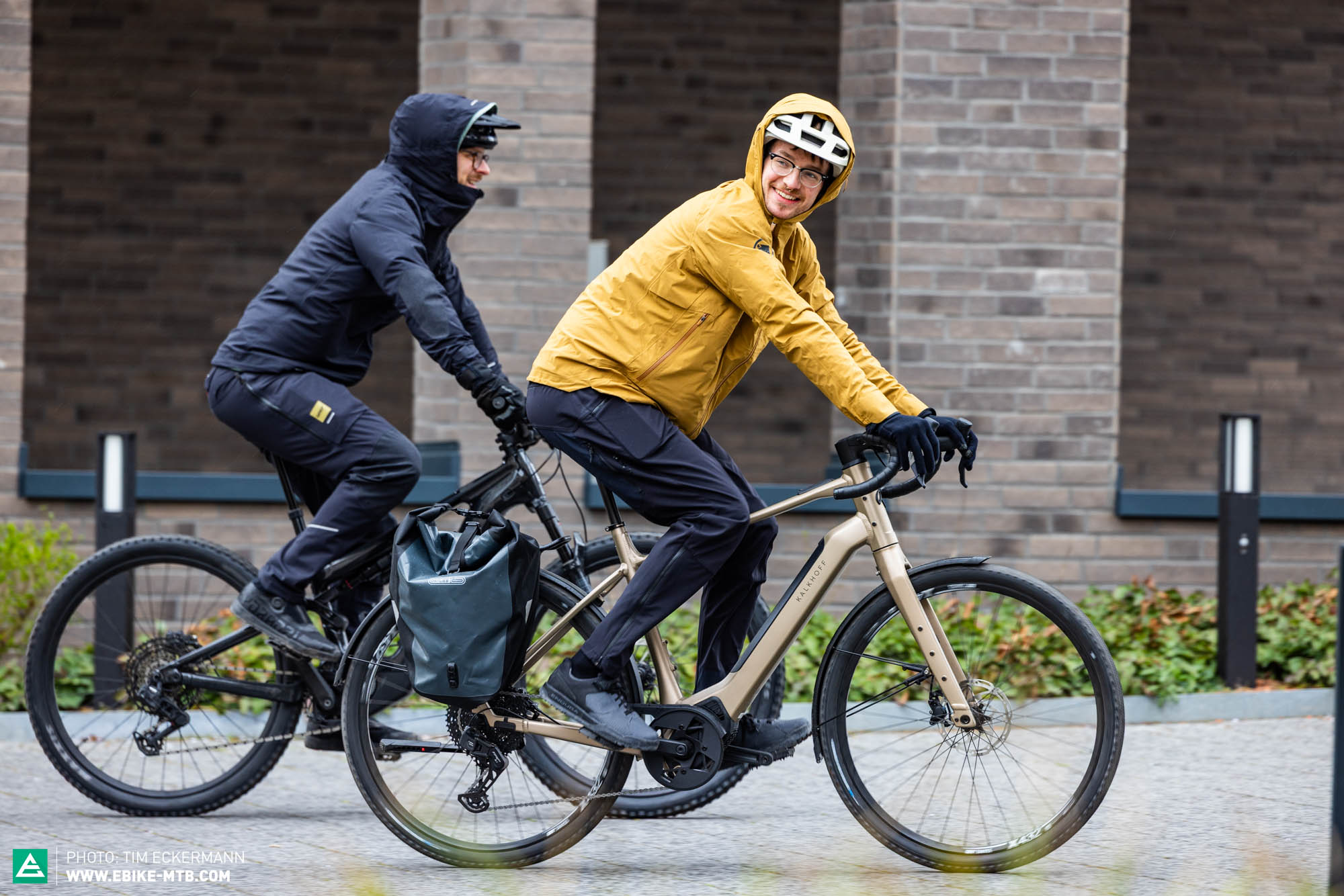
Commuting by e-bike during the winter months presents unique challenges, but with the right clothing strategies, you can stay comfortable, visible, and safe. Here are some key considerations:
1. Layering System:
-
Base Layer: Opt for moisture-wicking materials like synthetic fabrics or merino wool to keep sweat away from your skin. This helps regulate body temperature and prevents chills. (favoritebikes.com)
-
Mid-Layer: Choose insulating materials such as fleece or down to retain body heat. This layer should be breathable to allow moisture to escape.
-
Outer Layer: A windproof and waterproof jacket protects against wind, rain, and snow. Look for features like adjustable hoods and ventilation zippers for adaptability. (chainandcharge.com)
2. Extremity Protection:
-
Hands: Invest in insulated, windproof gloves that still allow for control of brake levers and gears. For severe cold, consider bar mitts to trap warmth around the controls. (voltandvelo.com)
-
Feet: Wear thermal socks and waterproof shoe covers to keep feet warm and dry. Overshoes can also protect against road spray and salt.
-
Head and Neck: A thin, moisture-wicking cap under your helmet can protect your ears and head. A neck gaiter or scarf can shield your neck and lower face from cold winds.
3. Visibility:
-
Reflective Gear: In winter, daylight hours are shorter, so equip yourself with reflective clothing and accessories to enhance visibility. Reflective jackets, vests, and ankle bands are effective options. (theelectricbikeshop.co.uk)
-
Lights: Ensure your e-bike is equipped with front and rear lights, even during daylight, to increase your visibility to other road users.
4. E-Bike Maintenance:
-
Battery Care: Cold temperatures can reduce battery efficiency. Store your battery in a warm place when not in use and consider bringing it indoors during extremely cold periods. (voltandvelo.com)
-
Tire Pressure: Check tire pressure regularly, as cold weather can cause tires to lose air. Properly inflated tires improve traction and safety.
5. Clothing Strategy:
- Adaptive Layering vs. Fixed Kit: Some riders prefer adaptive layering, adjusting their clothing based on daily conditions. Others opt for a fixed winter kit designed to handle a range of conditions without modification. Both approaches have their merits, and the choice depends on personal preference and the variability of your local climate. (ebike-mtb.com)
By thoughtfully selecting and layering your clothing, you can enjoy a comfortable and safe e-bike commute throughout the winter season.