
CICLISMO: Ruta de La Vuelta a España 2026 infographicSpain offers a diverse array of cycling routes that cater to various preferences, from coastal paths to mountainous terrains. Here are six top cycling destinations to consider for your summer adventure:
1. Camino del Norte: The Atlantic Soul of Spain
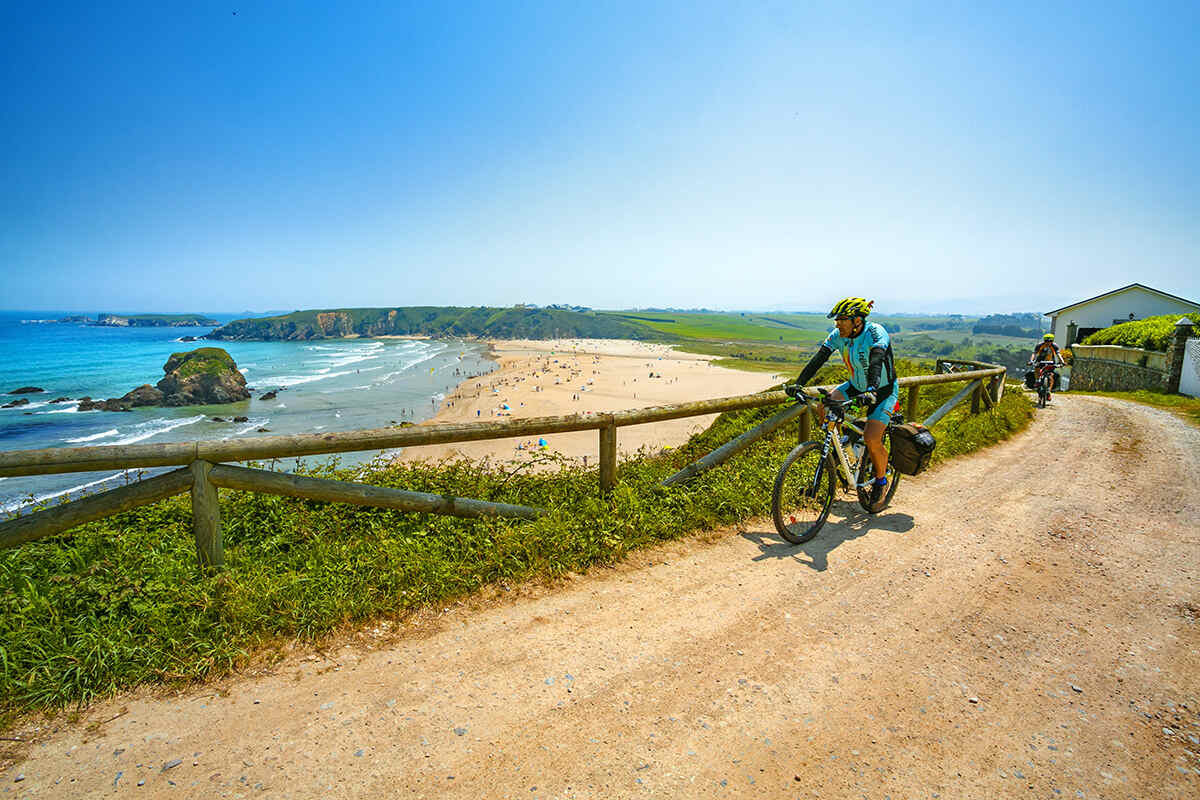
The Camino del Norte is a captivating route for cyclists seeking an authentic experience amidst oceanic landscapes, rich culture, and natural beauty. This path follows Spain’s northern coastline, traversing the Basque Country, Cantabria, Asturias, and Galicia. Cyclists will encounter dramatic Atlantic cliffs, pristine beaches, verdant mountains close to the sea, charming fishing villages, and culturally rich cities like San Sebastián, Bilbao, Santander, Oviedo, and Gijón. The route offers a cooler, more ventilated climate compared to the French Way, making it ideal for those who prefer cycling immersed in nature. It features scenic roads with continuous changes in scenery, challenging yet spectacular stages with frequent ascents and descents, excellent gastronomy, and hospitality along the way.
2. Transpirenaica: From the Mediterranean to the Atlantic
The Transpirenaica is an approximately 800-kilometer route that stretches from Cap de Creus in Catalonia to Hondarribia in the Basque Country, crossing the Pyrenees. This journey takes cyclists through beautiful mountain locations and spectacular landscapes. In its trekking version, it is homologated as the long-distance trail GR-11. Late spring and summer are the best times to undertake this route, which has become a classic in cycle tourism, divided into 10 to 12 stages. However, it is a demanding and difficult path, recommended for experienced enthusiasts with a good fitness level.
3. EuroVelo 8: Sea and Historic Cities
EuroVelo 8 extends over 5,900 kilometers along the Mediterranean coast, connecting Athens to Cádiz. In Spain, the route covers approximately 1,700 kilometers divided into 45 stages, traversing the entire Mediterranean coastline from the La Jonquera border to the ancient city of Cádiz. Cyclists will pass through spectacular cities such as Girona, Barcelona, Tarragona, Valencia, Alicante, Murcia, and Málaga. Thanks to the Mediterranean climate, the route can be cycled almost year-round. Additionally, these cities boast exceptional historical heritage, resulting from the meeting and blending of cultures that have characterized the Mediterranean basin over the centuries.
4. The Authentic Spain on Two Wheels
Starting from the Basque Country and extending to Andalusia, this route enters from the French border of Irún and covers 1,685 kilometers divided into 30 stages up to Ayamonte, at the border with southern Portugal. The path passes through some of Europe’s most spectacular cities and landscapes: the forests of Navarre, the wine region of La Rioja, Burgos along the Camino de Santiago with its imposing Gothic cathedral, the archaeological site of Atapuerca, and UNESCO World Heritage cities such as the historic university city of Salamanca, famous for its extraordinary Renaissance architecture and vibrant student life; Cáceres with its magnificent medieval center full of noble houses; Mérida, boasting a rich Roman heritage; the mountain villages of the Sierra de Francia; and the historic towns of Extremadura like Hervás, Plasencia, Trujillo, and Zafra, as well as the Riotinto Mining Park, a surprising landscape that seems to be from another planet.
5. Menorca: An Oasis of Tranquility
Menorca is an ideal destination for cycle tourism due to its manageable size, generally moderate traffic, and variety of Mediterranean landscapes. Cyclists can enjoy panoramic roads, gentle climbs, and spectacular coastlines, pedaling between turquoise coves, dry stone walls, pine forests, and tranquil white villages. The mild climate for most of the year makes Menorca perfect for both road bikes and gravel and mountain bikes. The famous Camí de Cavalls, an ancient path that circles the island, also offers adventurous routes immersed in nature, while the rural interior provides more relaxed itineraries through countryside and local traditions.
6. La Palma: ‘The Beautiful Island’ of the Canaries
La Palma is one of the most spectacular destinations in the Canary Islands for cycle tourism, particularly appreciated by lovers of climbs and volcanic landscapes. Known as “La Isla Bonita,” it offers panoramic roads immersed in nature, continuous changes in scenery, and significant elevation gains that attract cyclists from all over Europe. In just a few kilometers, one can transition from the ocean to lush laurel forests, from volcanoes to mountain ridges above the clouds. The main highlight is the Roque de los Muchachos, one of Europe’s most iconic ascents, reaching over 2,400 meters in altitude with extraordinary views of the Atlantic. The island is especially suitable for road bikes, thanks to long, regular climbs and limited traffic; gravel and MTB, with volcanic trails and paths immersed in forests; and winter training, thanks to the mild climate year-round.
For more detailed information and interactive maps of these routes, you can visit www.spainbybike.es.