
Embarking on a Packrafting Adventure on Oregon’s Owyhee River
Published: June 17, 2026
In the heart of eastern Oregon’s high desert, we set forth on a journey down the Owyhee River, an expedition that was both challenging and exhilarating. Stretching across rugged basalt canyons and expansive plains, our four-day adventure revealed the stark beauty of one of the most remote rivers in the United States.
Encountering the Desert’s Allure
As we navigated our ultralight one-person packrafts, we faced a river that, in early October, was more of a trickle than a torrent. The water level dipped dramatically, making the rocky terrain more navigable than usual. While the intricate pathways of the lower canyon beckoned, they also posed challenges that would demand our full attention.
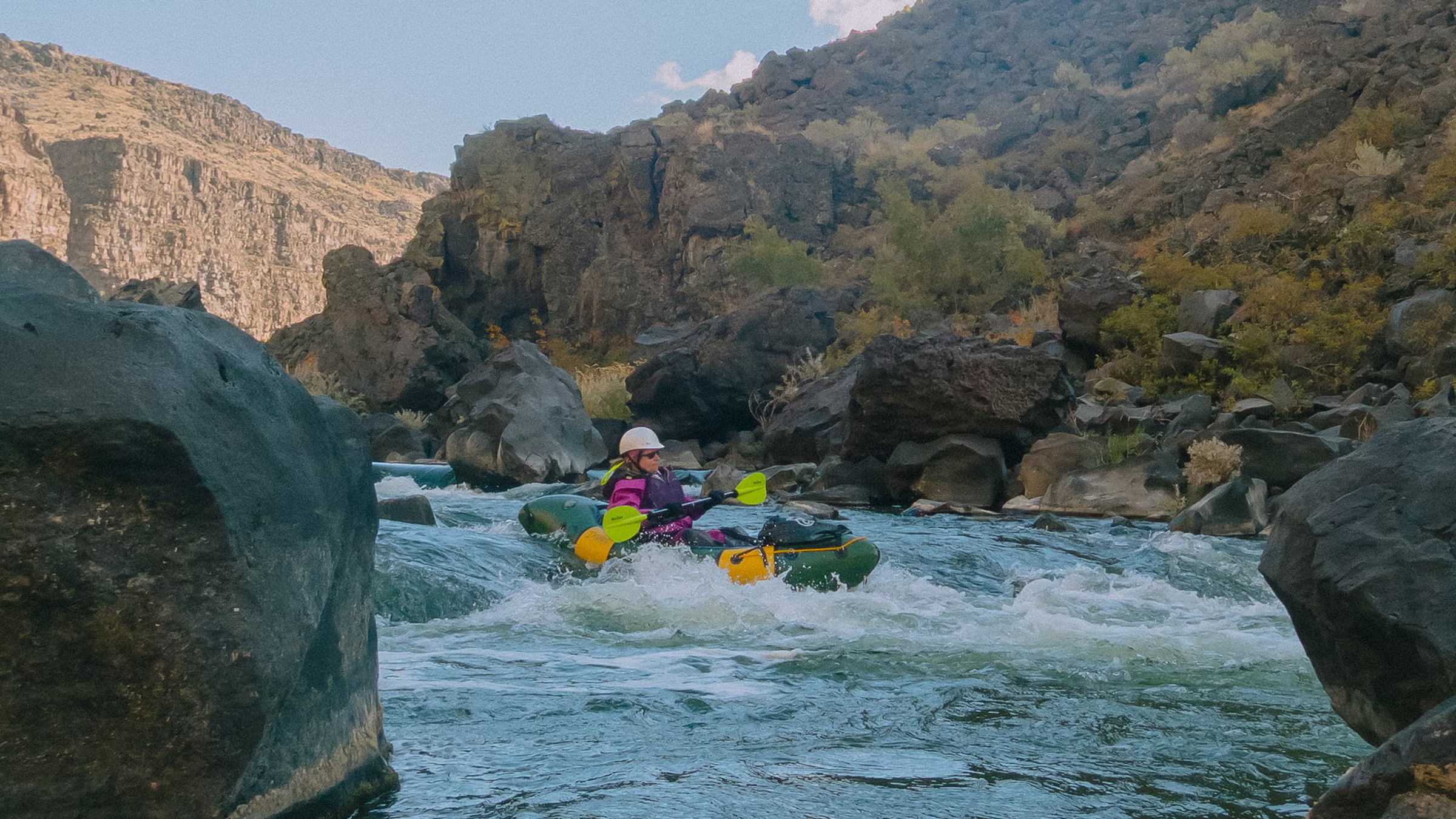
Standing knee-deep in crystal-clear water, my companion Dan, a seasoned river guide, and I surveyed the rapids before us. Around us, the reddish basalt cliffs towered like natural cathedrals, enveloping us in a serene yet wild atmosphere. The late afternoon sun cast a warm glow, highlighting the vibrant landscape and awakening our spirits for the journey ahead.
“What do you think?” Dan casually inquired, breaking the silence. As the more experienced of us, I anticipated directives rather than questions. But Dan’s genuine curiosity invited me into the decision-making process.
Through the thick reeds, I spotted a formidable boulder breaking the surface, a sentinel in the winding river. The left looked perilous, while the right presented a narrow, shallow channel. My instincts prompted me to lean left, a choice Dan readily endorsed, and we prepared to navigate the tricky waters ahead.
A Deep History Under the Surface
The Owyhee River cuts through an expansive wilderness, the Owyhee Canyonlands, spanning seven million acres where Oregon, Idaho, and Nevada converge. This untouched wilderness earns its nickname, “The Big Quiet,” thanks to its ecological significance and breathtaking solitude. Home to unique flora and fauna, including the endangered sage grouse, the region’s rolling sagebrush hills contrast sharply with the sheer walls of red and brown rhyolite that characterize the canyons.
For over 13,000 years, Indigenous peoples, including the Shoshone and Bannock tribes, have called this area home, leaving behind petroglyphs and artifacts that dot the riverbanks. The term “Owyhee” itself is an archaic spelling of Hawaii, memorializing the tale of three Hawaiian trappers who mysteriously disappeared in the area in the early 19th century.
Packrafts: The Game Changer
In fall, the Owyhee transforms into a haunting yet beautiful landscape. Our expedition coincided with an unusually dry season, where the water flow slipped to a mere 110 cubic feet per second (CFS). Typical commercial rafting trips ceased after June, but thanks to the nimbleness of our packrafts—feather-weight inflatables designed for low water levels—we could explore this remarkable stretch of river. These innovative crafts are increasingly essential for navigating the low-water conditions facing rivers throughout the West amid ongoing drought challenges.
Dan, who operated Go Wild: American Adventures, led our crew as we maneuvered seamlessly through rocky passages. The packrafts’ compact size allowed us to glide over shallows where larger rafts would be doomed to stagnation. As we glided along, the clarity of the water revealed the swift movements of fish beneath, a sparkling reminder of nature’s wonders in this remote setting.
Our evenings were spent savoring warm meals by isolated campsites, and the following mornings unfolded with the careful packing of gear into our rafts. This internal storage system, using waterproof zippers, not only organized our equipment but also enhanced stability by maintaining a low center of gravity.
The Future of the Owyhee River
Despite its remote beauty, the Owyhee region faces significant ecological threats, including illegal routes and mining interests eyeing its unique geological formations. Current protections are fragmented, with only five percent of the canyonlands receiving long-term safeguarding under federal oversight.
Grassroots efforts, spearheaded by organizations like Friends of the Owyhee, fight to expand these protections and promote sustainable stewardship of the ecosystem, emphasizing that this land should serve multiple uses, from recreation to conservation. The river’s health is intrinsically linked to the overall well-being of its surroundings—something that the various stakeholders involved must recognize and address.
An Adventure to Remember
Our experience on the Owyhee was a communion with nature—one that became even more profound when, as I piloted my raft, I was reminded of the delicate balance between adventure and safety. A sudden collision with a boulder sent me careening, but with quick reflexes, I righted my craft and continued along the flowing waters.
In those moments on the river, surrounded by the towering canyon walls and the hum of wildlife, distractions fell away. Nature commanded my full attention, igniting an appreciation for the solitude and raw beauty of the American West.
Ultimately, our packrafting journey through the Owyhee River was more than just a weekend adventure; it was a glimpse into a world that combines the thrill of exploration with the profound responsibility of preserving its beauty for future generations.
Final Thoughts
As I reflect on our expedition, it becomes clear that the Owyhee River is not simply a passage of water; it is a living history, an ecosystem worth cherishing, and an exhilarating venue for outdoor enthusiasts seeking adventure in its most authentic form.