
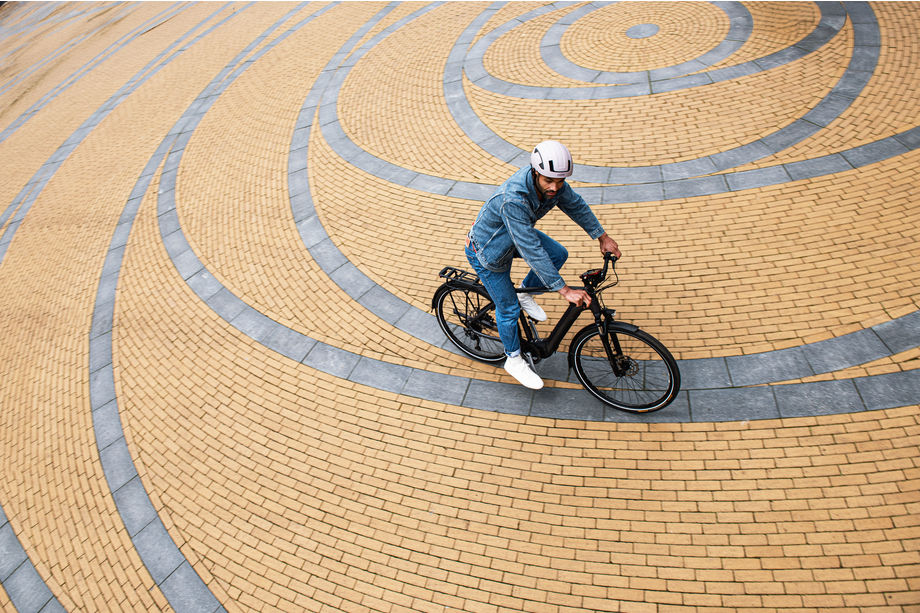
Cycling has long been a cornerstone of European mobility, celebrated for its health and environmental benefits. However, recent findings from the 2025 State of the Nation Report reveal a concerning trend: 121 million Europeans are cycling less due to challenges in accessing bicycle maintenance and repair services. (bike.shimano.com)
Maintenance Barriers Impacting Cycling Habits
The study, which surveyed 25,000 individuals across 25 European countries, highlights that 212 million people encounter obstacles when seeking bicycle maintenance. These challenges include high costs, long wait times, a lack of local bike shops, and limited operating hours. Consequently, over 20% of respondents have turned to alternative modes of transport, while 16.4% have ceased cycling altogether. This shift underscores a structural risk for cycling: without accessible and reliable maintenance services, even well-developed infrastructure cannot sustain long-term ridership. (bike.shimano.com)
Children’s Safety Concerns
Beyond maintenance issues, the report also sheds light on growing concerns regarding children’s cycling safety. Fewer than two in five respondents believe that cycling has become safer for children over the past year. This perception is particularly pronounced in traditionally strong cycling nations, where expectations are high, and any perceived stagnation or decline is more acutely felt. (bike.shimano.com)
Infrastructure Development and Expectations
The study further reveals disparities in how Europeans perceive the evolution of cycling infrastructure. While some countries report clear progress, others lag behind. Notably, nations like Belgium, the Netherlands, and Denmark, despite their strong cycling cultures, score relatively low in perceived improvements. This paradox is less about actual decline and more about heightened expectations in countries with long-established cycling infrastructure. In these regions, new developments are often viewed as insufficient, whereas in countries still building their cycling foundations, every improvement is more noticeable. (bike.shimano.com)
A Holistic Approach to Promoting Cycling
The overarching message from the report is clear: investing in cycling infrastructure alone is not enough. Without accessible, affordable, and efficient maintenance services, and without ensuring safe conditions for children, the appeal of cycling diminishes. For policymakers, the cycling industry, and local authorities, this presents a clear mandate. To promote cycling as a viable mode of transport, there must be a comprehensive approach that includes infrastructure development, maintenance services, education, and user-friendliness. In an era where active and sustainable mobility is crucial, avoidable barriers should not deter millions of Europeans from cycling more frequently. (bike.shimano.com)
Recent Developments in European Cycling Industry:
- ‘We play with money we don’t have’ – Women’s cycling is booming, but as budgets rise by millions and costs grow by 30%, not everyone can keep up, Published on Wednesday, February 04
- ‘We had things to change’ -After cars on course and team withdrawals last season, French race Étoile de Bessèges promises strengthened security measures in 2026, Published on Wednesday, February 04