
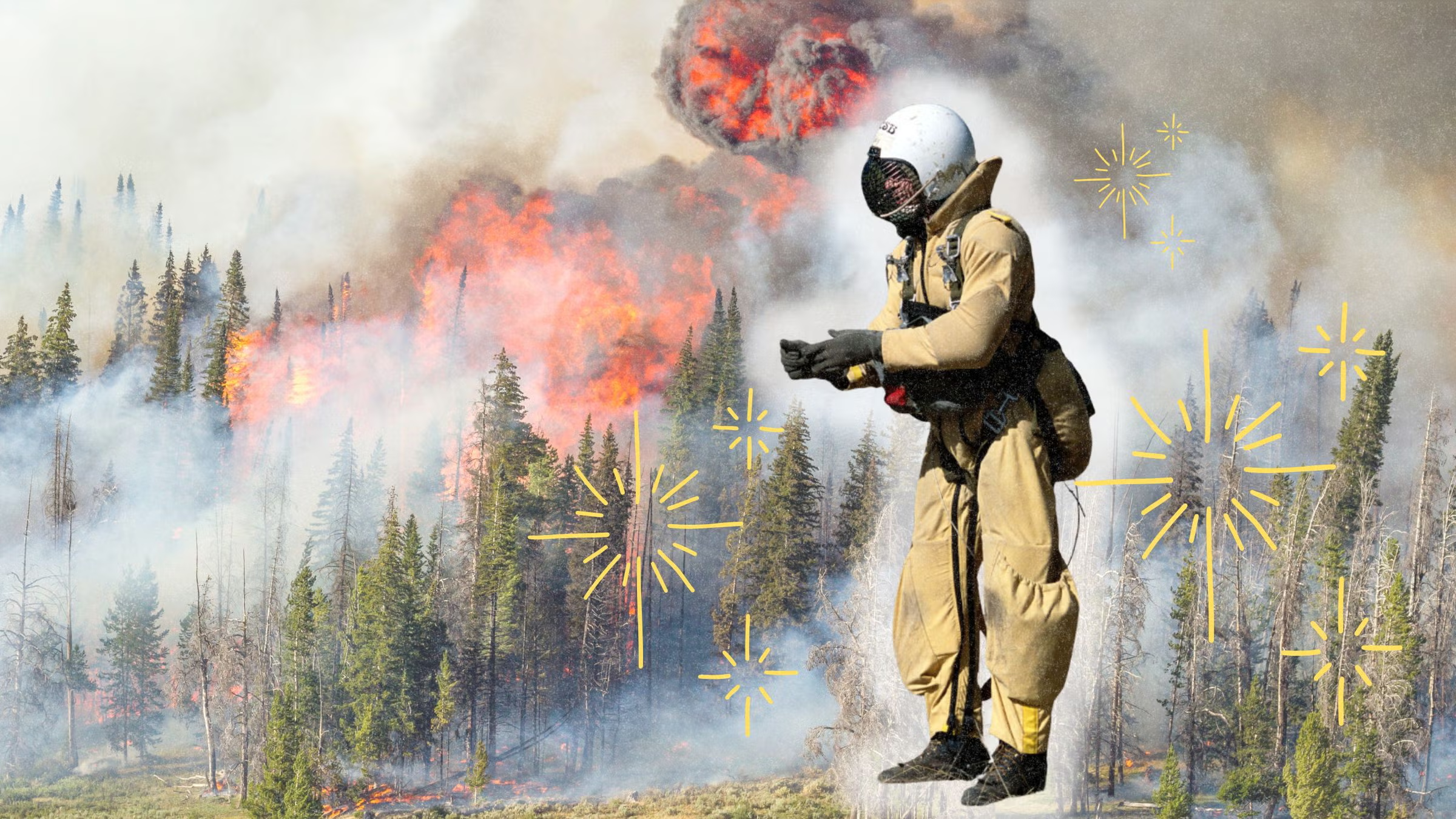
Smokejumpers: The Elite Firefighters Battling Wildfires from the Sky
Smokejumpers are elite wildland firefighters who parachute into remote areas to combat wildfires, often before they can spread uncontrollably. This specialized role demands exceptional physical fitness, extensive training, and a deep commitment to protecting both natural and human communities.
The Role and Training of a Smokejumper
Smokejumpers are the first responders to wildfires in inaccessible regions. They are deployed by aircraft, parachuting directly into fire zones to establish control lines and prevent the fire from expanding. This rapid response is crucial in mitigating the impact of wildfires on the environment and nearby populations.
Training to become a smokejumper is rigorous and comprehensive. Candidates must first meet stringent physical requirements, including passing the standard firefighter’s Work Capacity Fitness Test at the arduous level. This test includes running 1.5 miles in 10:47 minutes or less, performing 6 pull-ups, 30 push-ups, and carrying a 110-pound pack for 3 miles in 55 minutes or less. (nifc.gov)
Once these physical standards are met, rookies undergo a five-week training program that covers parachute training, fire suppression tactics, and emergency medical procedures. This training ensures that smokejumpers are prepared for the demanding and unpredictable nature of their work. (nifc.gov)
Risks and Challenges
The profession is fraught with risks. Smokejumpers often operate in challenging terrains and extreme conditions, which can lead to injuries such as sprains, fractures, and, in rare cases, fatalities. The physical demands are intense, with smokejumpers frequently carrying heavy equipment over rugged landscapes. Additionally, the unpredictability of wildfires means that smokejumpers must be prepared for sudden changes in fire behavior, requiring quick decision-making and adaptability.
Compensation and Work-Life Balance
Financially, smokejumping is not a lucrative career. As of July 2026, the average annual salary for a smokejumper in the United States is approximately $33,111. (ziprecruiter.com) This figure can vary based on experience, location, and the specific agency employing the firefighter. The seasonal nature of the work means that many smokejumpers seek additional employment during the off-season to supplement their income.
The demanding schedule and physical toll of the job can also impact work-life balance. Smokejumpers often spend extended periods away from home, working long hours in challenging conditions. This lifestyle requires a strong commitment to the mission and a passion for the work, as well as a supportive network to manage the personal sacrifices involved.
Conclusion
Smokejumpers play a vital role in wildfire management, providing rapid response to fires in remote areas and helping to protect communities and natural resources. The path to becoming a smokejumper is demanding, requiring exceptional physical fitness, extensive training, and a deep commitment to the profession. While the risks and challenges are significant, the rewards of serving as a smokejumper are profound, offering a unique opportunity to make a tangible impact on the environment and society.