
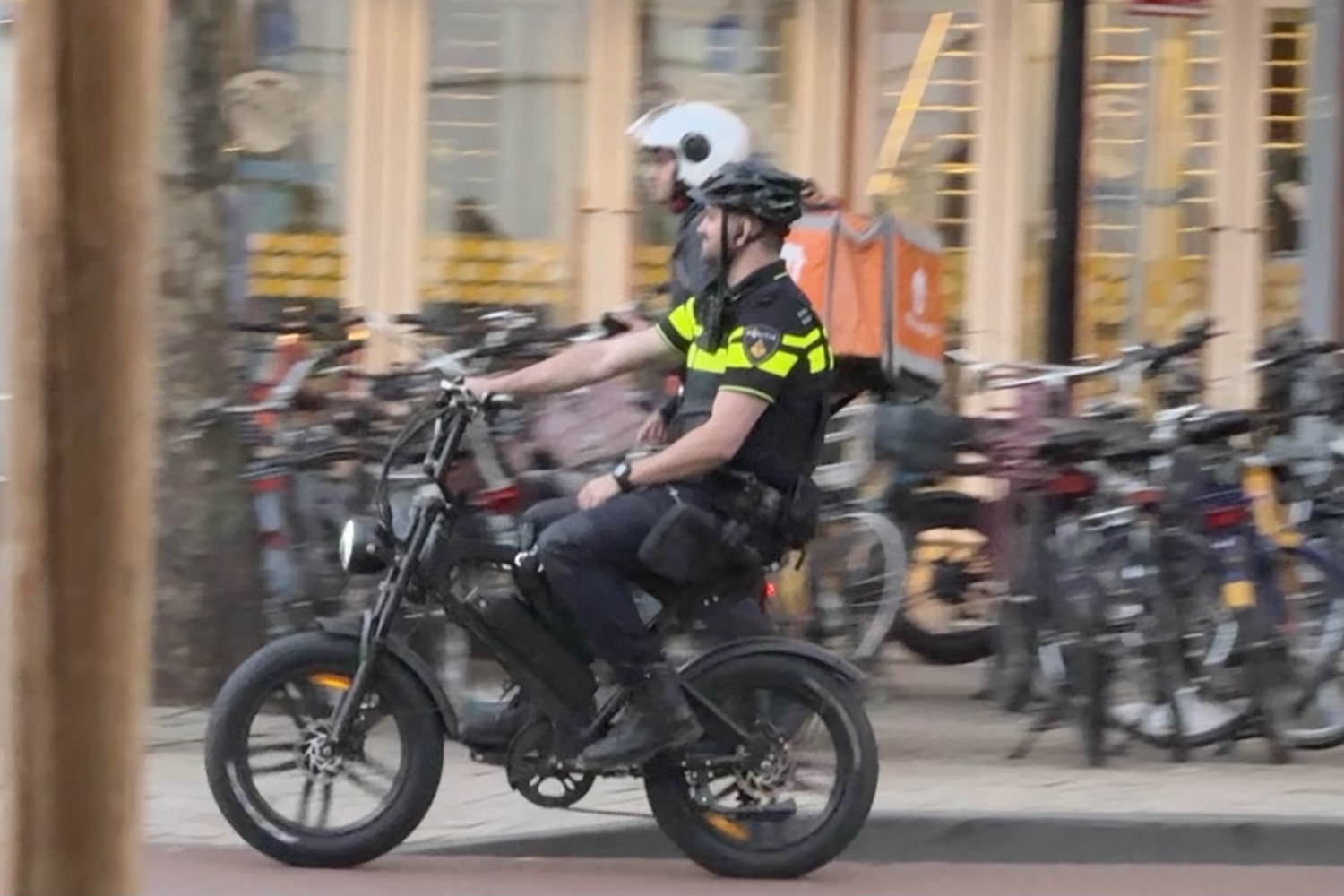
Municipalities in the Netherlands Explore Fatbike Regulations
In recent years, fatbikes—electric bicycles equipped with oversized tires—have surged in popularity across the Netherlands. However, their rapid adoption has raised concerns among local authorities regarding safety and public order. Consequently, several municipalities are actively investigating and implementing measures to regulate their use.
Enschede’s Pioneering Ban
Enschede has taken a significant step by becoming the first Dutch city to impose a local ban on fatbikes in its central shopping district during peak hours. Effective from March 2026, the prohibition applies to the ‘stadserf’ area, restricting fatbike access from Monday to Saturday between 10 a.m. and 6 p.m., on Thursdays until 9 p.m., and on Sundays from 12 p.m. to 5 p.m. During the initial two weeks, enforcement officers will issue warnings; thereafter, violations may incur fines of €115. (nltimes.nl)
Amsterdam’s Consideration of Fatbike-Free Zones
Amsterdam is also contemplating the establishment of fatbike-free zones in specific areas where these vehicles have been associated with disturbances and safety issues. The city council has decided to allow for the possibility of such prohibitions in regions where fatbikes cause significant inconvenience or unsafe situations. This decision aims to enhance safety and livability in affected areas. (amsterdam.nl)
National Legislative Developments
At the national level, the Dutch government is considering stricter regulations for fatbikes. Proposed measures include the introduction of a separate vehicle category for fatbikes, the establishment of a minimum age requirement for riders, and the implementation of a helmet mandate. Additionally, municipalities would be granted the authority to designate fatbike-free zones. These initiatives aim to address the nuisances and safety concerns associated with fatbikes. (global-cycling-safety.org)
Challenges and Adaptations
In response to these regulatory developments, some manufacturers have introduced ‘skinnybikes’—variants with narrower tires—to circumvent existing bans. This adaptation highlights the ongoing challenges in effectively regulating fatbike usage and underscores the need for comprehensive and enforceable policies. (nltimes.nl)
Conclusion
The evolving landscape of fatbike regulations in the Netherlands reflects a concerted effort by both municipal and national authorities to balance the growing popularity of these vehicles with public safety and order. As policies continue to develop, stakeholders—including riders, manufacturers, and policymakers—must collaborate to ensure that fatbike usage aligns with the broader goals of urban mobility and community well-being.