
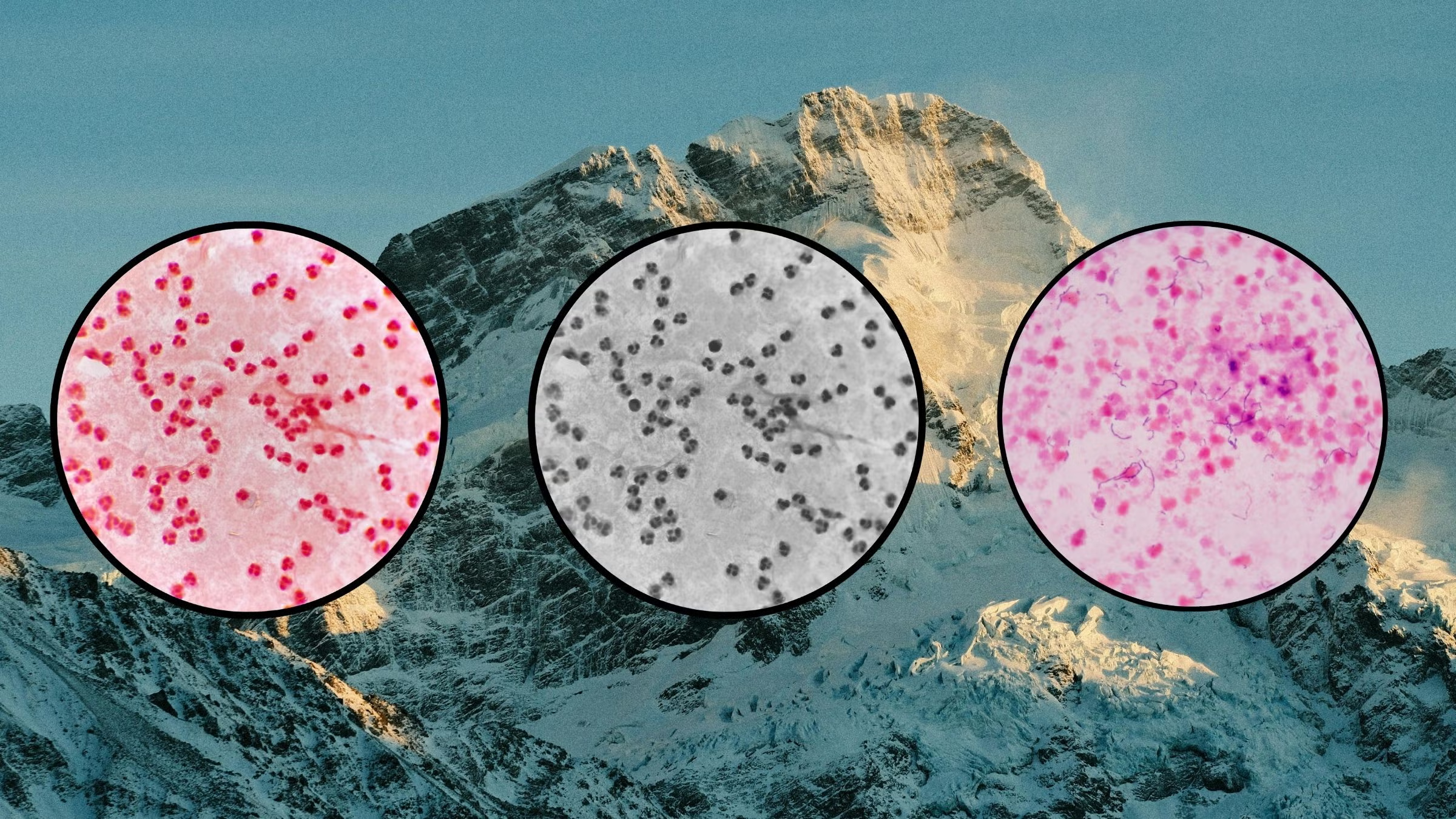
Can Probiotics Enhance Climbers’ Adaptation to High Altitude?
High-altitude expeditions present climbers with a myriad of physiological challenges, notably the risk of altitude sickness. Recent research suggests that the gut microbiome—the complex community of microorganisms residing in our digestive tract—plays a pivotal role in how our bodies acclimate to reduced oxygen levels. This has led scientists to explore whether probiotics, which can modulate gut bacteria, might aid climbers in better adjusting to high-altitude conditions.
The Gut Microbiome’s Role in High-Altitude Acclimatization
At elevations exceeding 2,500 meters, the body undergoes significant changes due to hypobaric hypoxia—lower atmospheric pressure and oxygen availability. These changes can disrupt various physiological systems, including the gastrointestinal tract. Studies have shown that high-altitude exposure can lead to alterations in gut microbiota composition, potentially contributing to symptoms like nausea, vomiting, and loss of appetite. (pubmed.ncbi.nlm.nih.gov)
The gut microbiome influences numerous bodily functions, including digestion, immune response, and even mood regulation. Emerging evidence indicates that the gut microbiome’s composition can adapt to high-altitude environments, potentially aiding in acclimatization. For instance, certain bacterial species have been associated with enhanced oxygen utilization and reduced inflammation, both crucial for adapting to hypoxic conditions. (genomebiology.biomedcentral.com)
Probiotics as a Potential Aid for Climbers
Probiotics are live microorganisms that, when ingested in adequate amounts, confer health benefits to the host. They can influence gut microbiota composition and function, potentially mitigating gastrointestinal disturbances associated with high-altitude exposure. Recent studies have explored the effects of probiotics on high-altitude acclimatization.
A notable study conducted by researchers at the University of California, San Diego, investigated the impact of a multi-strain probiotic on climbers’ adaptation to high altitude. Participants who took the probiotic exhibited higher oxygen saturation levels and reported feeling better overall compared to those who received a placebo. These findings suggest that probiotics may play a role in enhancing acclimatization by supporting gut health and, consequently, overall physiological function. (clinicaltrials.ucsd.edu)
Considerations and Future Directions
While the preliminary results are promising, it’s essential to approach these findings with caution. The study sample sizes were relatively small, and further research is needed to confirm these effects and understand the underlying mechanisms. Additionally, the efficacy of specific probiotic strains and optimal dosing regimens remain areas of active investigation.
Climbers considering probiotic supplementation should consult with healthcare professionals to ensure safety and appropriateness for their individual health profiles. It’s also crucial to maintain other acclimatization strategies, such as gradual ascent, proper hydration, and adequate rest, as probiotics should not replace these fundamental practices.
Conclusion
The interplay between the gut microbiome and high-altitude adaptation is a burgeoning field of research. Probiotics represent a promising avenue for enhancing climbers’ acclimatization to high-altitude environments. However, more extensive and rigorous studies are necessary to fully elucidate their role and establish evidence-based guidelines for their use in high-altitude settings.