
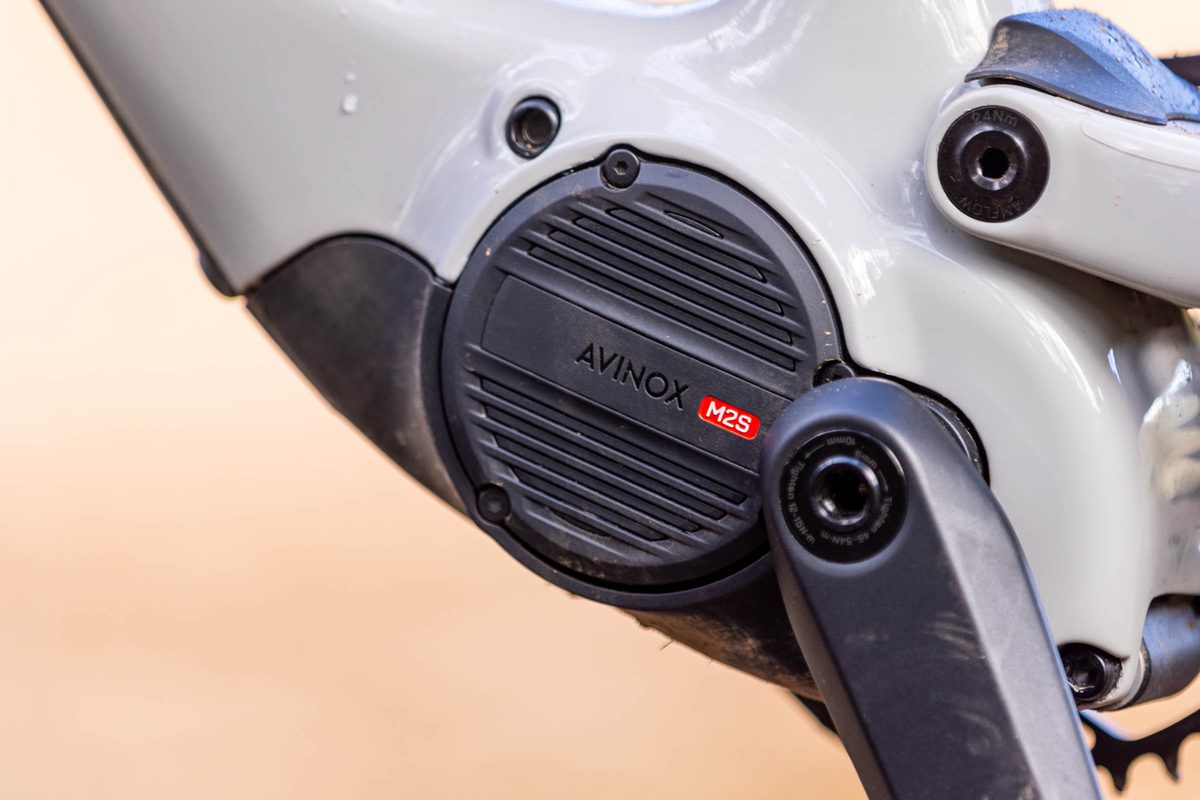
Should E-Bike Motor Power Be Capped? An In-Depth Analysis
The debate over capping e-bike motor power has intensified, especially with the introduction of high-performance motors like the Avinox M2S. A recent poll revealed that 70% of respondents believe e-bike peak power should be limited. This sentiment underscores growing concerns about safety, trail access, and the evolving landscape of e-bike technology.
The Avinox M2S: A Game-Changer in E-Bike Performance
Launched in April 2026, the Avinox M2S motor has set new benchmarks in e-bike performance. With a peak power output of 1,500W and a torque of 150Nm, it significantly surpasses many existing motors in the market. This substantial power boost offers riders enhanced acceleration and the ability to tackle challenging terrains with ease. (bikeradar.com)
Regulatory Landscape: Varying Approaches to E-Bike Motor Power
E-bike regulations differ globally, reflecting diverse approaches to motor power limits. In the United States, federal law defines a “low-speed electric bicycle” as one with a motor under 750 watts, assisting up to 20 mph. However, states like California are considering stricter measures, including potential caps on peak motor power and mandatory registration for higher-powered e-bikes. (lindenwoldnj.gov)
Industry Perspectives: Balancing Innovation and Safety
Manufacturers like Avinox advocate for a nuanced approach to regulation. Ferdinand Wolf, Avinox’s Product Experience Director, emphasizes that power and speed are distinct factors. He argues that higher power facilitates better control, especially in challenging terrains, without necessarily increasing speed. This perspective suggests that power enhancements can improve safety and riding experience when managed responsibly. (bikeradar.com)
Conclusion: Navigating the Future of E-Bike Motor Power
The conversation around capping e-bike motor power is multifaceted, involving safety considerations, regulatory frameworks, and technological advancements. While high-powered motors like the Avinox M2S offer impressive performance, they also raise questions about trail access and rider safety. A balanced approach, considering both innovation and regulation, will be crucial in shaping the future of e-bike motor power.
Highlights:
- Best electric bikes 2026: every style ridden, and tested by our ebike experts, Published on Tuesday, March 24