
The rapid evolution of electric bike (e-bike) technology has led to a surge in motor power, but this advancement has exposed a critical issue: the mismatch between motor capabilities and the strength of drivetrain components. This discrepancy is increasingly evident as manufacturers strive to enhance performance without fully addressing the engineering demands of their systems.
The Torque Dilemma
E-bike motors are now delivering higher torque outputs, which, while improving acceleration and hill-climbing abilities, place unprecedented stress on components like chains, cassettes, and derailleurs. This heightened torque can lead to accelerated wear and potential failures if the drivetrain isn’t engineered to handle such forces.
KMC’s Response
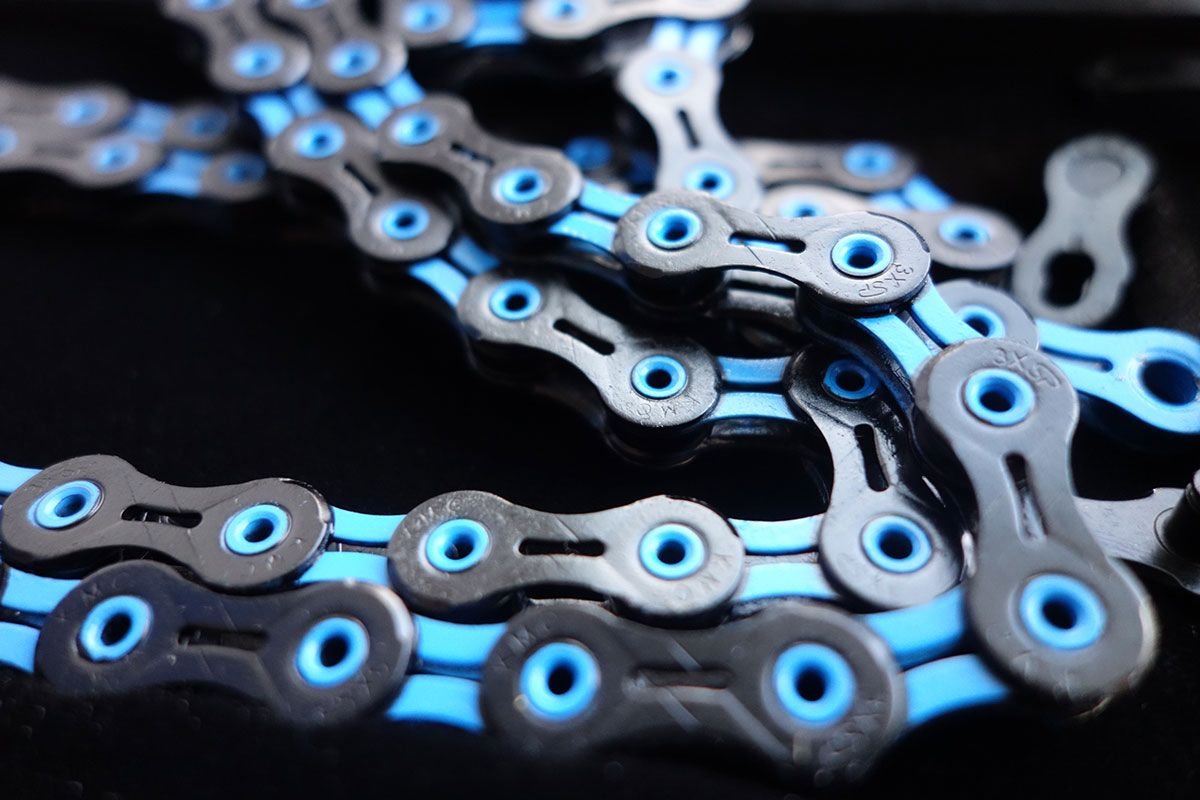
KMC, a leading supplier of chains and cassettes, has recognized this challenge and developed e-bike-specific chains designed to withstand the increased torque. These chains feature enhanced riveting, strengthening, and polished pins, resulting in a lifespan 1.6 to 1.8 times longer than standard chains. Despite these advancements, some manufacturers continue to use standard components, potentially compromising durability.
The Engineering Challenge
The integration of higher torque motors necessitates a comprehensive redesign of drivetrain components. For instance, the increased stress on chains requires not only stronger materials but also precise engineering to ensure smooth power transfer and longevity. This evolution demands a collaborative approach between motor manufacturers and component suppliers to ensure system compatibility and reliability.
Looking Ahead
As the e-bike industry continues to innovate, it’s imperative for manufacturers to consider the entire system’s integrity. Ensuring that motor power aligns with component strength will be crucial in delivering high-performance, durable, and reliable e-bikes to consumers.
In summary, while the pursuit of more powerful e-bike motors offers exciting possibilities, it also underscores the need for a holistic approach to design and engineering, ensuring that all components work harmoniously to meet the demands of modern cycling.