
The Union Cycliste Internationale (UCI) has recently defended the implementation of nighttime anti-doping tests during the 2026 Tour de France, emphasizing that “the fight against doping is an absolute priority.” (uci.org)
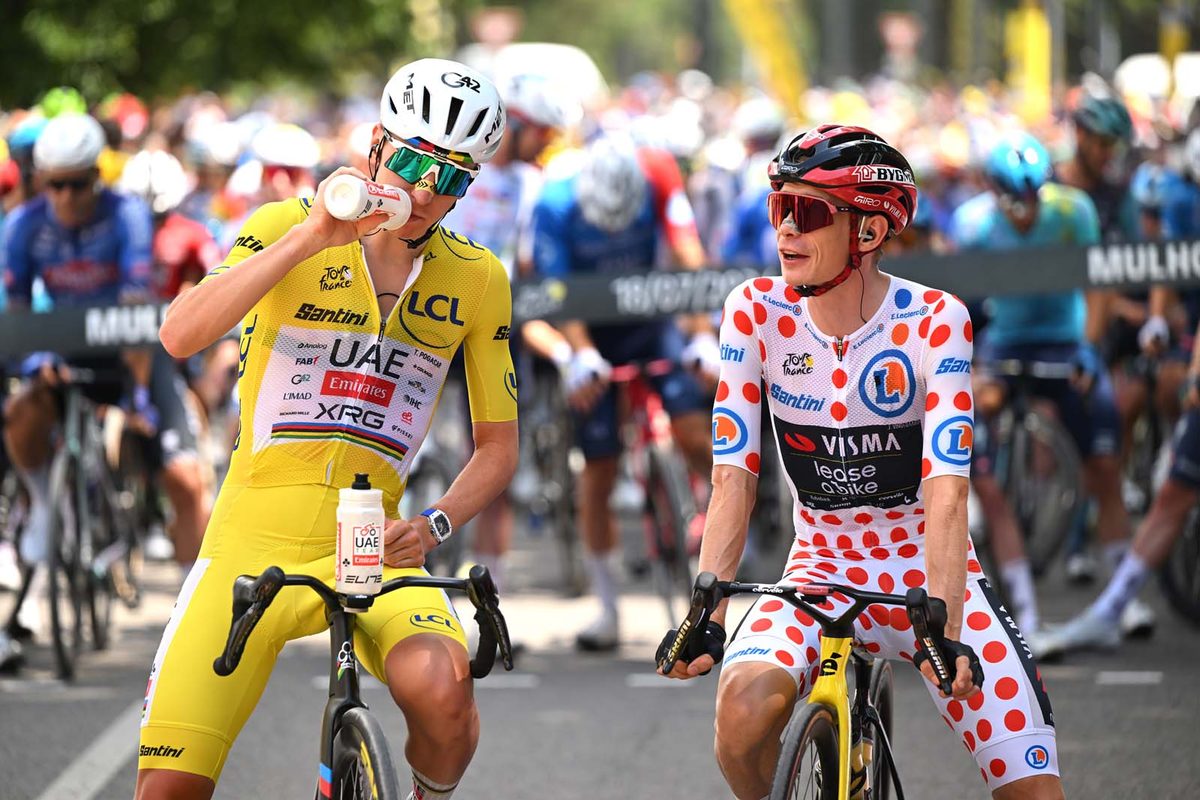
In the early hours of Sunday, July 20, 2026, prominent riders Jonas Vingegaard and Tadej Pogačar were subjected to unannounced anti-doping tests at 2 a.m. and 5 a.m., respectively. (theguardian.com) These tests, conducted by the International Testing Agency (ITA), occurred outside the standard 11 p.m. to 6 a.m. testing window, which typically requires special authorization from the World Anti-Doping Agency (WADA). (cyclingweekly.com)
The UCI acknowledged that such testing can disrupt riders’ rest and recovery but emphasized that these measures are exceptional and reserved for justified circumstances. The organization reiterated its commitment to maintaining the integrity of the sport through rigorous anti-doping measures. (uci.org)
The Professional Cyclists’ Association (CPA) expressed concerns over the nighttime testing, questioning its relevance and potential impact on riders’ well-being. They emphasized the importance of respecting athletes’ fundamental rights and health while combating doping. (uci.org)
In response, the UCI highlighted that the ITA’s actions are in line with the World Anti-Doping Code and UCI regulations, and that such testing is conducted with due legal authorization. The organization also noted that the ITA has managed its anti-doping program independently since 2021 to ensure effectiveness and impartiality. (uci.org)
While the nighttime tests have sparked debate, some within the cycling community support the initiative. Jonathan Vaughters, manager of EF Education-EasyPost, described the tests as “very effective” in detecting micro-dosing of substances like EPO and human growth hormone. (cyclingweekly.com)
The UCI’s stance underscores its unwavering commitment to a clean and credible sport, balancing the need for effective anti-doping measures with the well-being of athletes.
Highlights:
- Multiple riders have been subjected to night-time doping controls at Tour de France, Published on Monday, July 20
- ‘Very effective’ – Tour de France team manager applauds night-time anti-doping tests, Published on Tuesday, July 21
- ‘Nowhere else would we accept that level of surveillance’ – Between Whereabouts, nighttime testing and ‘clean anxiety’, is the anti-doping system in need of reform?, Published on Monday, July 20