
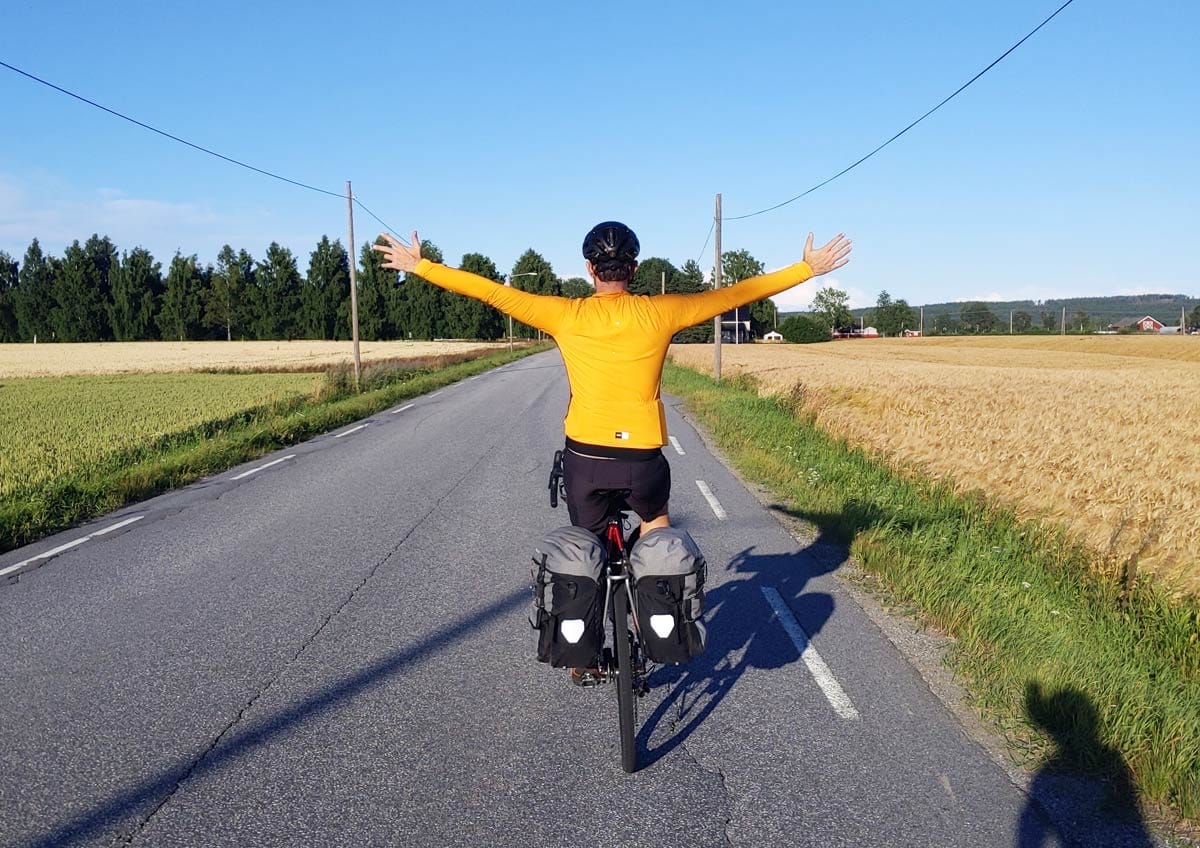
Planning your first weekend cycling adventure is an exciting endeavor that combines the thrill of exploration with the joy of physical activity. To ensure a memorable and enjoyable experience, meticulous planning is essential. Here’s a comprehensive guide to help you craft the perfect cycling route for your weekend getaway.
1. Assess Your Fitness Level and Time Availability
Begin by evaluating your current fitness level and the amount of time you can dedicate to cycling. For instance, if you plan to ride for three hours and maintain an average speed of 15 km/h on flat terrain, aim for a route approximately 45 kilometers long. If your speed is 20 km/h, the ideal distance would be around 60 kilometers. Incorporate additional time for breaks, meals, and visits to points of interest. It’s advisable to have a shorter alternative route as a backup plan.
2. Choose a Suitable Destination
Select a destination that aligns with your fitness level and offers the type of terrain you enjoy. If you’re new to cycling, consider areas known for their cyclist-friendly infrastructure, such as dedicated bike paths and bike-friendly accommodations. Research destinations that provide these amenities to enhance your experience.
3. Define Starting and Ending Points
Decide on convenient starting and ending points for your journey. Utilizing public transportation, like trains, can offer flexibility, allowing you to start and finish your ride at different locations. If you prefer driving, consider parking near a train station to facilitate a return trip via public transport. For destinations accessible by ferry, such as islands or lakeside areas, incorporating a ferry ride can add a unique element to your adventure.
4. Identify Key Stops and Accommodations
Plan your route to include points of interest, such as scenic spots, historical sites, or local eateries. Ensure you have identified places to rest, refuel, and, if necessary, overnight accommodations. It’s crucial to plan for food and water resupply points, especially if your route takes you through remote areas.
5. Utilize Mapping Tools for Route Planning
Leverage specialized mapping tools to design your route. Platforms like Komoot and Ride with GPS are tailored for cyclists and offer features such as surface type filters, elevation profiles, and the ability to export GPX files compatible with most cycling computers. These tools help in creating customized routes that suit your preferences and skill level.
6. Prioritize Safety and Road Conditions
Opt for routes that favor cycling paths, secondary roads, and areas with low traffic volume. Utilize resources like Open Cycle Map to identify recognized cycling routes worldwide. While these maps provide valuable information, it’s essential to verify current road conditions and traffic levels, as they can change over time.
7. Consider Terrain and Elevation
Be mindful of the terrain and elevation changes along your route. Gradual climbs are preferable, especially for longer distances, as they are less taxing than steep, short ascents. Review the elevation profile of your planned route to ensure it aligns with your capabilities and to anticipate the physical demands of the journey.
8. Account for Surface Types
Match the route’s surface types to your bicycle’s specifications. Road bikes are best suited for paved surfaces, while mountain bikes excel on unpaved trails. Gravel bikes offer versatility across various terrains. Tools like Komoot display surface types, aiding in selecting appropriate routes for your bike.
9. Plan for Weather and Environmental Conditions
Check the weather forecast for your planned route and prepare accordingly. Be aware of potential weather changes that could impact your ride, such as rain or extreme temperatures. Having a flexible plan allows you to adjust your route or schedule as needed.
10. Prepare for Navigation and Emergencies
Ensure you have reliable navigation tools, such as a GPS device or smartphone with offline maps. Familiarize yourself with the route beforehand to reduce reliance on technology during the ride. Carry essential tools and supplies for minor repairs and emergencies.
11. Embrace the Journey
While planning is crucial, allow room for spontaneity. Some of the most memorable moments in cycling come from unexpected discoveries and detours. Embrace the adventure, stay open to new experiences, and enjoy the freedom that cycling offers.
By following these steps, you can create a well-structured and enjoyable cycling route for your weekend trip. Remember, the key is to plan thoughtfully, prepare adequately, and remain flexible to fully enjoy the experience.