
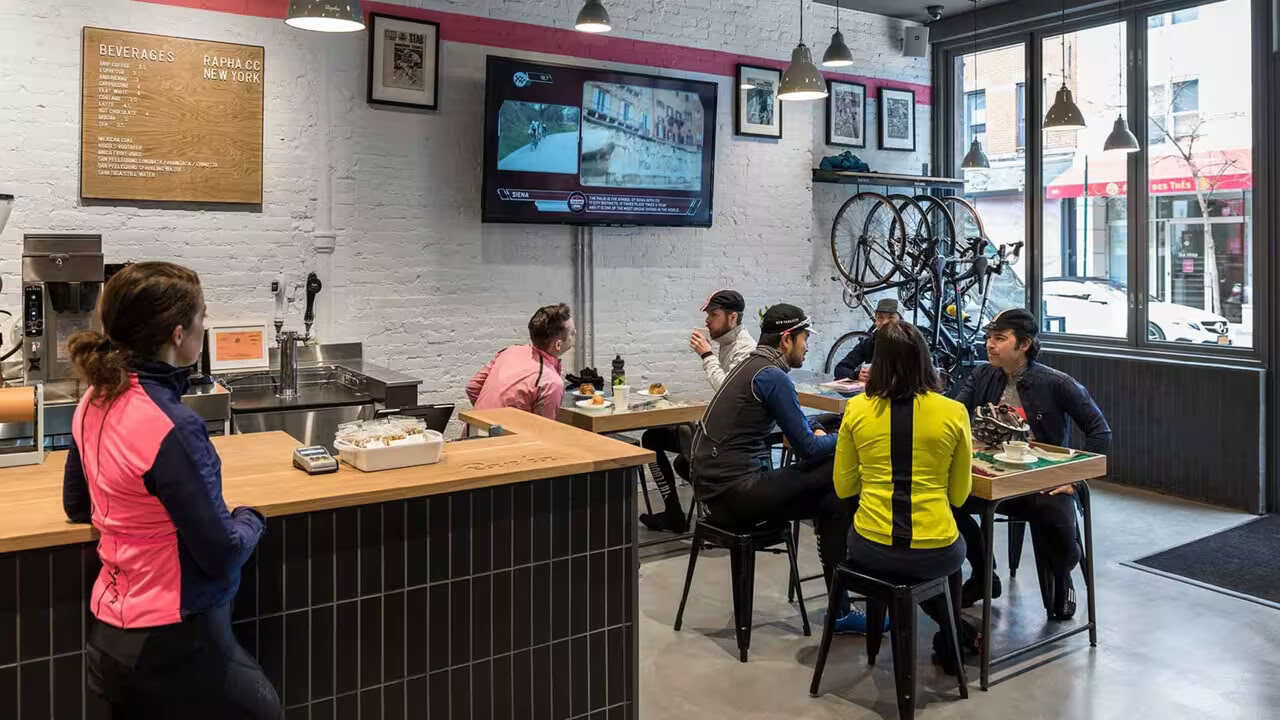
Rapha, the renowned British cycling apparel brand, is undergoing significant changes following the resignation of CEO Fran Millar after a two-year tenure. Millar’s departure is part of a broader strategy to address the company’s ongoing financial challenges and to implement organizational restructuring aimed at reducing costs and enhancing efficiency. (bicycleretailer.com)
Financial Performance and Strategic Shifts
In the fiscal year ending January 25, 2026, Rapha reported a turnover of £89 million, a decline from £96 million the previous year. The company also faced an operating loss of £21.2 million, marking its ninth consecutive year of financial losses. (bicycleretailer.com) These figures reflect the challenges Rapha has encountered in maintaining profitability despite its premium product offerings.
Under Millar’s leadership, Rapha initiated several strategic changes, including reducing product discounts, streamlining its clothing range, and ending partnerships with certain professional cycling teams. Additionally, the company closed five Clubhouses in the United States and the United Kingdom. (cyclingweekly.com) Despite these efforts, the anticipated turnaround has not materialized, leading to the decision for a comprehensive organizational restructure.
Market Dynamics and the Future of Luxury Cycling Apparel
The cycling apparel market is witnessing a shift, with consumers increasingly gravitating towards brands that offer high-quality products at accessible price points. Companies like Decathlon, with its Van Rysel line, have gained traction by providing technical clothing that competes with premium brands in terms of performance and design. This trend challenges the traditional luxury segment, prompting brands like Rapha to reassess their value propositions.
The rise of cycling tourism has also influenced consumer preferences. Cyclists seeking functional, durable, and easy-to-maintain gear are less concerned with brand prestige and more focused on practicality. This shift underscores the need for brands to adapt to evolving market demands and to offer products that resonate with a broader audience.
Rapha’s Response and Strategic Outlook
Despite the financial setbacks, Rapha remains committed to its mission of promoting cycling culture and community. The company has reported an 18% increase in Rapha Cycling Club membership year-to-date and has seen strong performance in new Clubhouse locations, such as Shanghai and Bentonville. (cyclingweekly.com) These developments indicate that while the brand faces challenges, there are positive signs of engagement and growth within its community.
Looking ahead, Rapha’s ability to navigate the competitive landscape will depend on its capacity to innovate and align its offerings with consumer expectations. The proposed organizational changes aim to streamline operations and position the brand for sustainable profitability by 2027. (cyclingweekly.com) As the cycling apparel market continues to evolve, Rapha’s response to these challenges will be crucial in determining its future trajectory.
Highlights:
- Fran Millar resigns as Rapha CEO ahead of ‘significant organisational changes to reduce cost and drive efficiency’, Published on Wednesday, September 23