
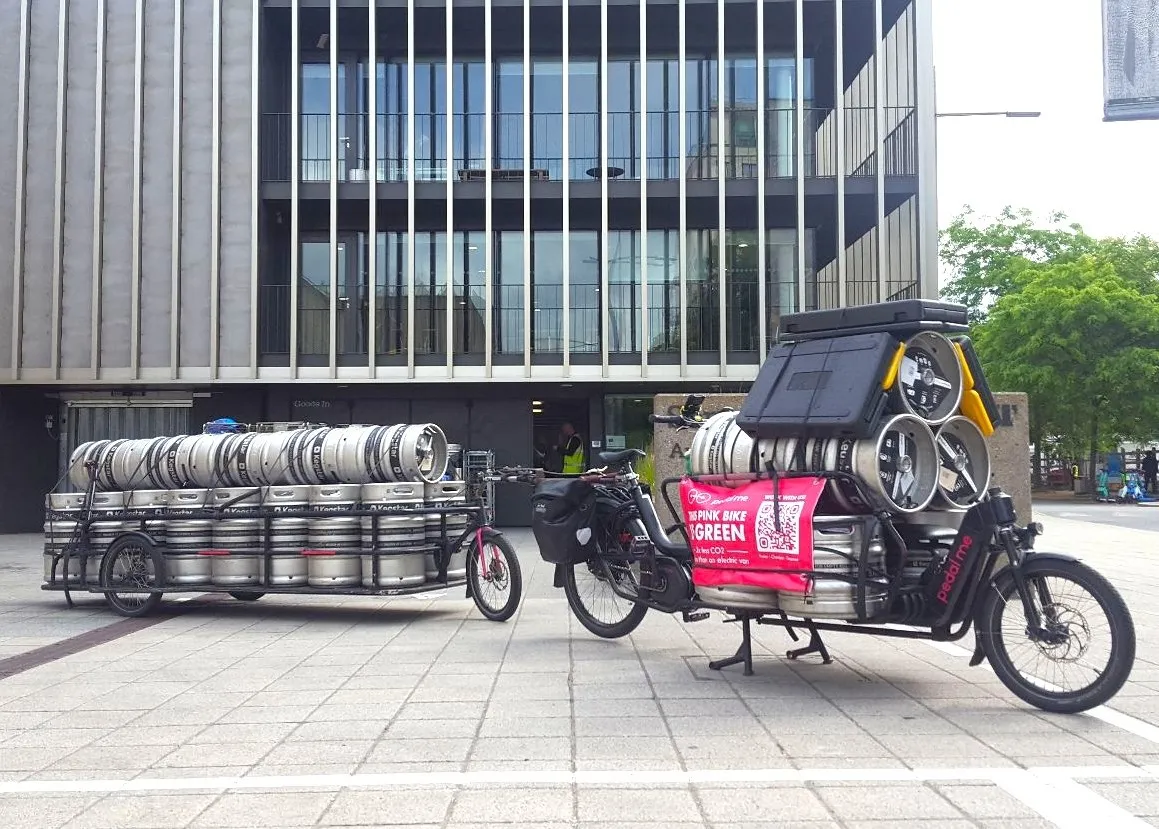
Exploring the Load Capacities of Modern Cargo Bikes
In recent years, cargo bikes have evolved from simple utility vehicles to robust, versatile machines capable of handling substantial loads. This transformation is particularly evident in the 2026 models, which offer impressive payload capacities tailored to various needs.
Understanding Cargo Bike Configurations
Cargo bikes come in several configurations, each designed to cater to specific transportation requirements:
-
Longtail Bikes: Featuring an extended rear frame, longtail bikes provide ample space for carrying children, groceries, or larger items.
-
Front-Loading Bikes (Long Johns): These bikes position the cargo between the handlebars and front wheel, offering a low centre of gravity for enhanced stability, especially when carrying heavy loads.
-
Three-Wheelers (Trikes): With an additional wheel, trikes offer increased stability and a larger cargo area, making them suitable for transporting heavier or bulkier items.
-
Quadricycles: Essentially four-wheeled cargo bikes, quadricycles provide a mini-van experience, capable of carrying substantial loads while maintaining a compact footprint.
2026 Models and Their Payload Capacities
The 2026 lineup showcases cargo bikes with enhanced load-bearing capabilities:
-
Urban Arrow Cargo L: This front-loading bike boasts a maximum load of 125 kg on its platform, with a total permissible weight (bike, rider, cargo) of up to 250 kg. (peter-ebike.com)
-
Trek Fetch+ 4: Designed for urban logistics, this model offers a transport box with an 80 kg load capacity and is equipped with a powerful Bosch Cargo Line motor for efficient handling. (ebike24.com)
-
Hercules Rob Cargo F5: A compact e-cargo bike with a payload capacity of 200 kg, suitable for urban transport tasks ranging from grocery runs to child transport. (bikereiter.com)
-
Tern HSD 2026: This compact cargo bike features a redesigned frame and a maximum load capacity of 190 kg, including 80 kg on the rear luggage rack, making it versatile for various urban transportation needs. (vendre-son-velo.com)
Real-World Applications and Considerations
Modern cargo bikes are increasingly being adopted for diverse applications:
-
Urban Logistics: Businesses are leveraging cargo bikes for last-mile deliveries, benefiting from their ability to navigate traffic and access areas inaccessible to traditional vehicles.
-
Family Transportation: Families are utilizing cargo bikes to transport children, groceries, and other essentials, reducing reliance on cars and promoting a healthier lifestyle.
-
Sustainable Practices: The shift towards cargo bikes aligns with sustainability goals, offering a greener alternative to conventional delivery and transportation methods.
Conclusion
The 2026 cargo bike models exemplify the advancements in design and engineering, offering enhanced load capacities and versatility. Whether for business logistics, family use, or sustainable transportation, these bikes provide a practical and eco-friendly solution to modern mobility challenges.