
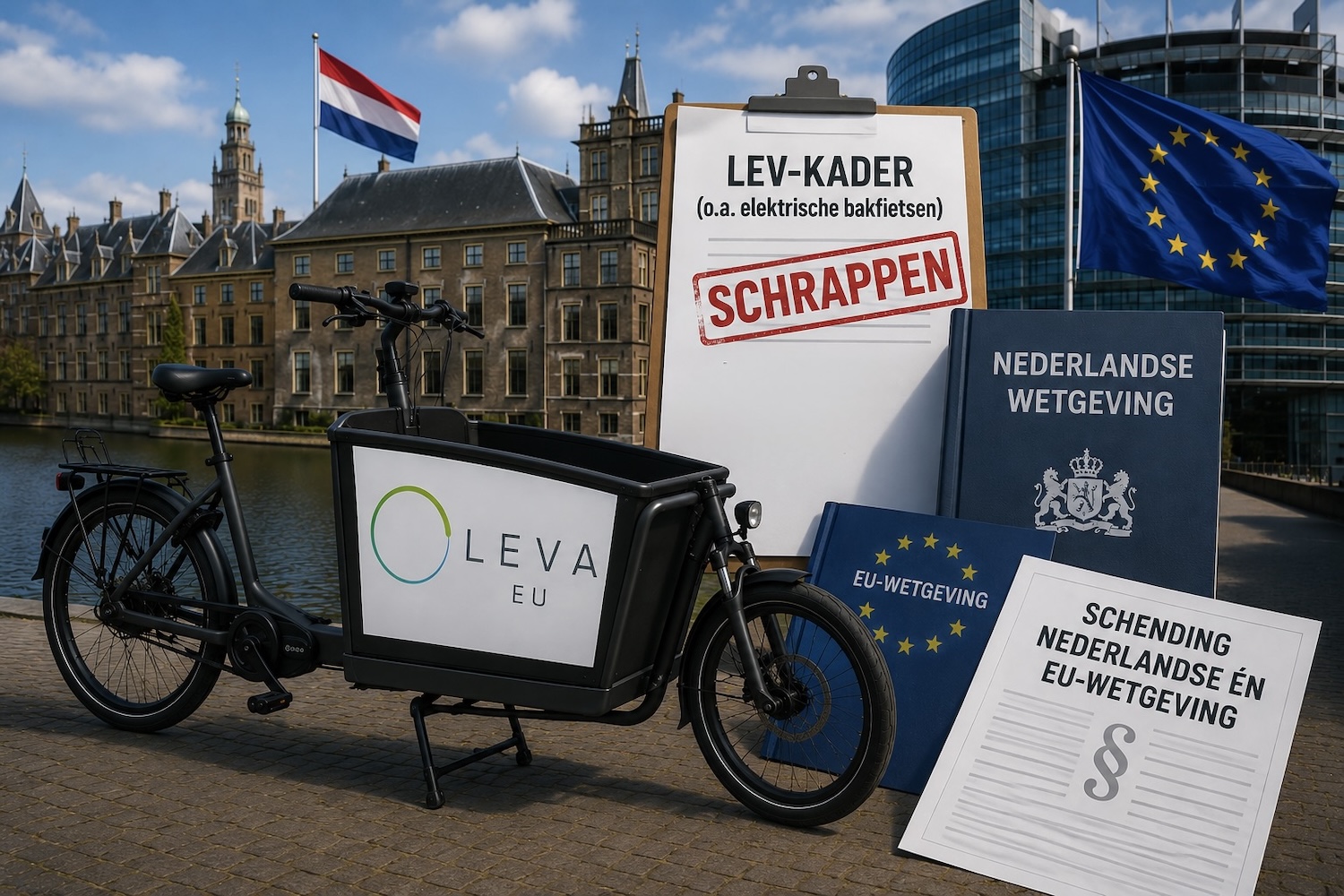
LEVA-EU Sounds Alarm Over Dutch LEV Framework
The Light Electric Vehicle Association of Europe (LEVA-EU) has raised significant concerns regarding the Netherlands’ proposed regulatory framework for Light Electric Vehicles (LEVs), including electric cargo bikes and e-scooters. The association argues that the framework not only conflicts with both Dutch and EU legislation but also threatens the viability of LEV manufacturers and suppliers.
National Approval Requirements: A Legal Misstep
The Dutch LEV framework mandates national type approval for vehicles that are explicitly exempt from such requirements under EU law. Specifically, standard pedal-assist e-cargo bikes limited to 25 km/h and 250 W, as well as e-scooters, fall under this exemption. Forcing these vehicles into a national approval process contradicts both Dutch regulations and the European Union’s Machinery Directive. (leva-eu.com)
Inconsistencies in Dutch Policy
LEVA-EU highlights a fundamental contradiction in the Dutch government’s stance. In December 2025, the Netherlands, supported by 15 other EU member states, advocated for a unified European approach to LEV regulations, warning against 27 different national regulations for similar vehicles. However, the current national framework appears to undermine this position, raising questions about the country’s commitment to a cohesive European strategy. (leva-eu.com)
Addressing Real Safety Concerns
The association emphasizes that the primary safety issues on the roads stem from illegal vehicles and inadequate infrastructure, not from the vehicles targeted by the Dutch framework. A national regulatory approach is unlikely to resolve these problems and could impose unnecessary burdens on the industry. (leva-eu.com)
LEVA-EU’s Call to Action
LEVA-EU urges the Dutch government to abandon the proposed national framework and engage in dialogue with the European Commission to develop a specific EU regulation for light electric vehicles. Such a regulation should be crafted in collaboration with the industry to ensure it addresses safety and harmonization effectively across all EU member states. (leva-eu.com)
By aligning with European standards and collaborating with industry stakeholders, the Netherlands can contribute to a more cohesive and effective regulatory environment for light electric vehicles, fostering innovation and ensuring safety across the EU.