
Understanding the Overlooked Market: Unveiling the Untapped Potential in the Bicycle Industry
The bicycle industry has long been divided into two distinct segments: the cycling “bubble” and the vast expanse of non-cyclists. This binary perspective has limited growth opportunities, as it fails to recognize the nuanced spectrum of potential customers. A more comprehensive approach identifies three distinct levels of engagement, each requiring tailored strategies to effectively tap into the broader market.
Level One: The Cycling Enthusiasts
This group comprises individuals deeply embedded in the cycling culture—avid riders, enthusiasts, and industry insiders. They are well-versed in cycling terminology, product specifications, and brand identities. The industry has traditionally focused its efforts on this segment, developing specialized products, events, and communications to cater to their preferences. However, this market is nearing saturation, and further growth within this group is limited.
Level Two: The Peripherally Engaged
Slightly outside the core cycling community lies a substantial group of individuals who, while not self-identifying as cyclists, possess a reasonable level of familiarity with the sport. They may engage in outdoor activities, value sustainability, or seek alternative transportation options. This segment includes urban commuters, fitness enthusiasts, and environmentally conscious consumers. Recent trends indicate a growing interest in e-bikes and cycling tourism among this group. However, the industry often errs by treating these individuals as if they are already part of the cycling community, using jargon and cultural references that may alienate them. To effectively engage this segment, the industry must simplify its messaging and focus on the practical benefits of cycling that align with their lifestyles.
Level Three: The Unengaged Majority
Beyond the peripherally engaged lies a vast majority who have minimal interaction with cycling. They do not follow cycling brands, read specialized media, or frequent traditional bike shops. For many, the concept of cycling is distant, and they may not consider it a viable option for transportation or recreation. This segment includes individuals who have never seriously considered purchasing a bicycle and may not be aware of the benefits it offers.
The key challenge here is not consumer resistance but the industry’s failure to present cycling as a relevant and accessible option. The industry has not effectively communicated how cycling can integrate into their daily lives, addressing concerns such as time constraints, convenience, and safety. To reach this segment, the industry must redefine its approach, focusing on inclusivity and accessibility.
The Role of Cycling Tourism
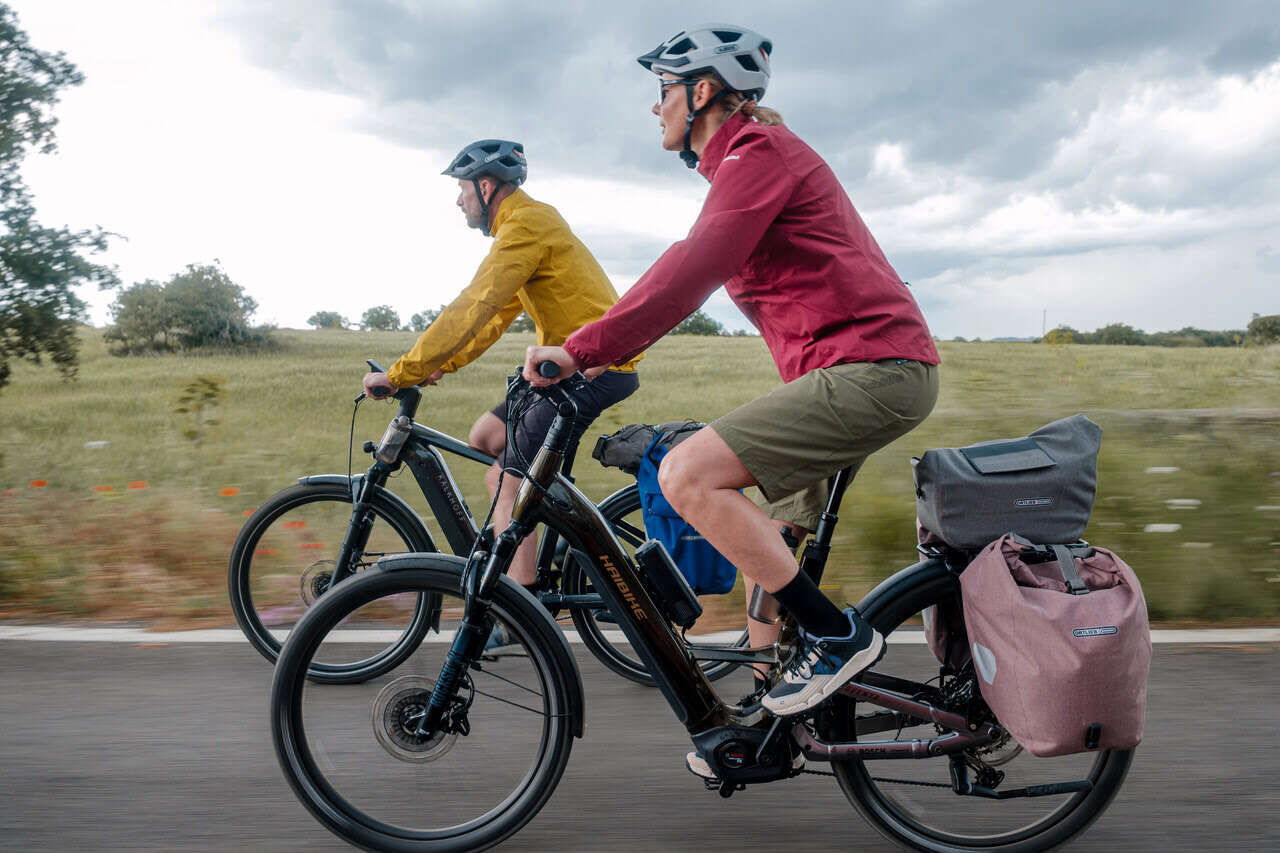
Cycling tourism presents a unique opportunity to bridge the gap between the cycling community and the unengaged majority. Vacations inherently involve a break from routine, allowing individuals to step outside their usual identities and try new activities without the pressure of daily responsibilities. Engaging in a cycling tour can introduce individuals to the joys of cycling in a low-pressure environment, leading to increased confidence and interest in incorporating cycling into their daily lives.
However, the industry often fails to capitalize on this opportunity. Post-vacation, many individuals are left without support or guidance to continue cycling at home. To convert these experiences into long-term engagement, the industry must establish connections between cycling tourism providers and local retailers, offer post-trip support, and create pathways for individuals to purchase bicycles and accessories that suit their needs.
Conclusion
The bicycle industry has historically focused on a narrow segment of the market, neglecting the vast potential of the peripherally engaged and unengaged majority. By recognizing the distinct needs and motivations of these groups, the industry can develop targeted strategies to expand its reach. This includes simplifying messaging, focusing on practical benefits, and leveraging experiences like cycling tourism to introduce new consumers to the world of cycling. By broadening its focus, the industry can unlock significant growth opportunities and foster a more inclusive cycling culture.