
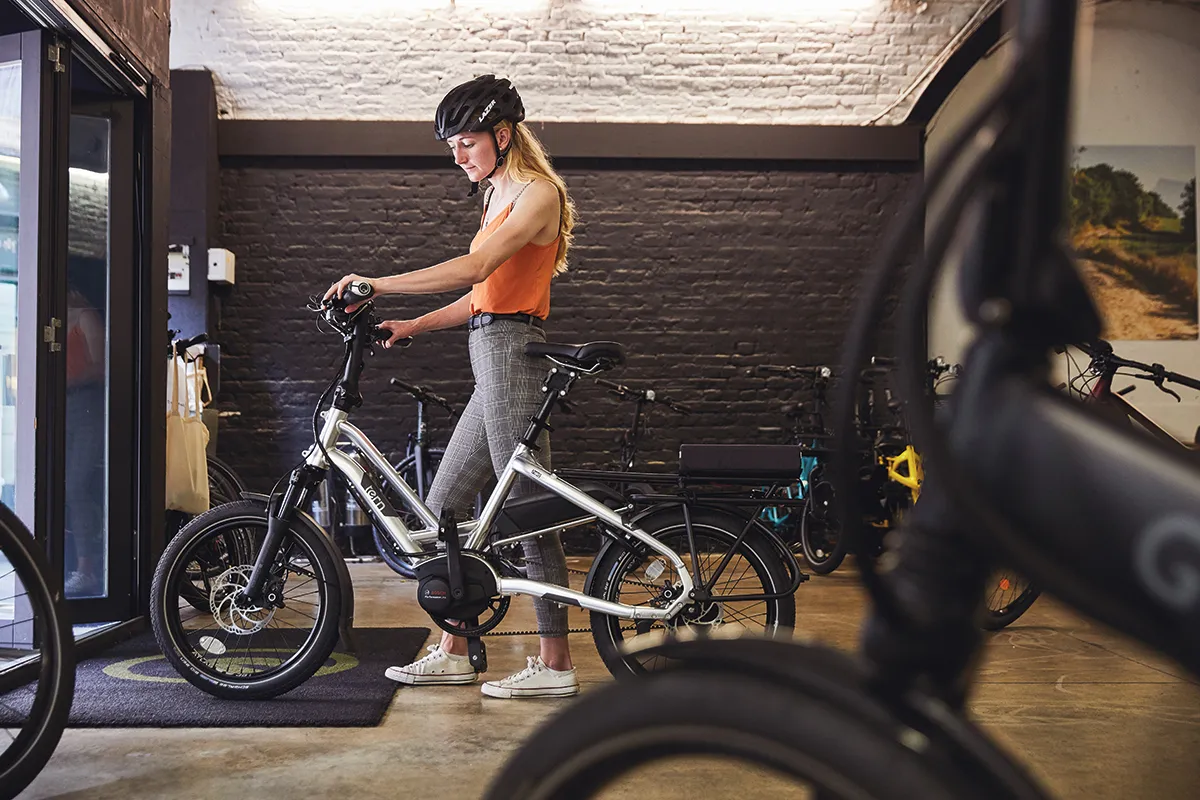
E-Bikes: A Smart Alternative to Short Car Journeys
In 2019, I purchased a second-hand diesel car, aiming to reduce my motoring expenses without a hefty upfront investment. Guided by my father’s advice against electric vehicles due to their initial costs, I opted for a fuel-efficient diesel model. However, by 2026, escalating fuel prices—exceeding £2 per litre—have prompted me to reconsider my transportation choices. (voltandvelo.com)
Transitioning to E-Bikes
As a reviewer of electric bikes, I’ve gradually replaced 50 miles of weekly driving with e-bike commuting. This shift primarily covers business-related trips, not leisure rides. Over time, I’ve increased both the frequency and distance of these journeys, aligning with studies that suggest e-bikes can effectively replace car trips. (voltandvelo.com)
Financial Savings
The financial benefits of this transition are evident. Previously, my diesel car averaged 50 miles per gallon (mpg). With diesel prices around £1.70 per litre, each mile cost approximately 15.4 pence. Replacing 50 miles of driving weekly equates to a savings of £7.70 per week, or £400 annually. (voltandvelo.com)
Environmental Impact
Beyond financial savings, the environmental advantages are significant. Annually, I eliminate 1,300 miles of driving, preventing the consumption of 118.2 litres of diesel and reducing CO₂ emissions by approximately 594 kg. This reduction is comparable to the emissions from an economy class flight from London to New York. (voltandvelo.com)
E-Bike Charging Costs
Charging an e-bike is remarkably economical. With a 500Wh battery and an average electricity rate of £0.18 per kWh, a full charge costs about 9 pence. This minimal expense underscores the cost-effectiveness of e-bike commuting. (ebicycles.ai)
Health Benefits
Regular cycling offers numerous health benefits, including a reduced risk of Type 2 diabetes and cardiovascular diseases. Even with pedal assistance, e-bike riders achieve moderate physical activity levels, contributing to overall health and well-being. (voltandvelo.com)
Conclusion
Transitioning from short car journeys to e-bike commuting has proven both financially and environmentally advantageous. The savings on fuel, coupled with the positive health impacts, make e-bikes a compelling alternative for daily commuting. As fuel prices continue to rise, the case for e-bikes becomes increasingly robust.
Highlights:
- Rebate program helps Atlanta residents purchase e-bikes, Published on Wednesday, September 09
- Cleveland launches e-bike rebate program, Published on Monday, August 31