
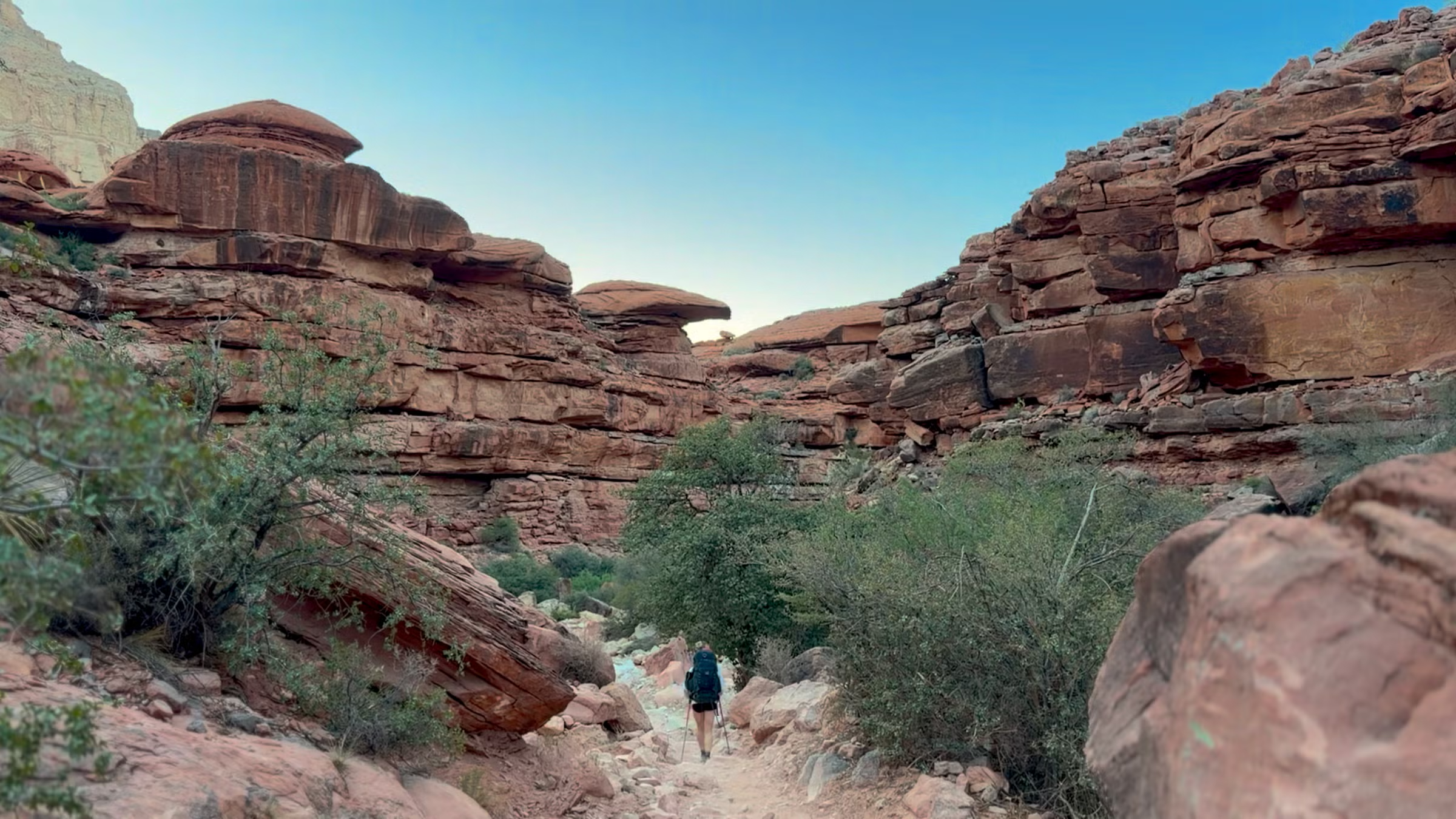
Havasu Falls Hiking Guide: Trail Lessons and New Rules
Embarking on the Havasu Falls hike is a quintessential adventure for outdoor enthusiasts, offering a 20-mile round-trip journey through the arid landscapes of the Grand Canyon to reach the iconic turquoise waterfalls. In 2026, the Havasupai Tribe has implemented significant changes to the permit system, aiming to enhance accessibility and preserve the natural beauty of the area. If you’ve secured a permit, here are essential insights and strategies to ensure a safe and enjoyable trek.
1. Navigating the New Permit System
The Havasupai Tribe has overhauled its reservation process to streamline access to the falls. Permits are now obtained through the official Havasupai Reservations website, with reservations opening on February 1 each year. Given the high demand, it’s crucial to register on the site in advance and be prepared to book promptly as spots fill up quickly. Permits are non-refundable and non-transferable, and a minimum three-night stay is required. (travelandleisure.com)
2. Preparing for the Desert Heat
The trail to Havasu Falls is demanding, especially during the summer months when temperatures can soar above 100°F (38°C). To mitigate heat-related risks, consider starting your hike in the early morning or late evening. For instance, beginning at the trailhead at 6 P.M. can help you reach camp around midnight, while an early start at 3 A.M. for the return hike can avoid midday heat. Always monitor local weather forecasts and heed any heat advisories. (bestusaroadtrips.com)
3. Essential Gear and Supplies
-
Water: Carry a minimum of 3 liters of water from the trailhead, as water sources are scarce along the initial 8-mile stretch. Once at Supai Village and the campground, Havasu Creek provides water, but it’s advisable to treat it with a filter or purification tablets. (hikeload.com)
-
Footwear: While sturdy hiking boots are suitable for the main trail, water shoes are recommended for creek and river crossings within the campground. A quick-drying towel can also be beneficial for these crossings.
-
Communication Devices: Cell service is limited throughout the canyon. For safety, consider bringing a satellite communication device, such as a Garmin inReach, to ensure you can call for help in emergencies. (hikeload.com)
-
Cash: Local vendors near the campground sell souvenirs and snacks. Having cash on hand allows you to support the community and enjoy local treats.
4. Cultural Respect and Environmental Stewardship
The Havasupai Falls area is sacred to the Havasupai Tribe. Visitors are expected to respect local customs, adhere to Leave No Trace principles, and support the community by purchasing goods and services locally. This not only enriches your experience but also contributes to the preservation of this natural wonder. (takeyourbackpack.com)
5. Safety Precautions
-
Trail Conditions: The trail is rugged, with sections that can be challenging. Ensure you’re physically prepared for the hike and familiarize yourself with the trail’s terrain.
-
Weather Monitoring: Always check the latest weather forecasts before your hike. Be aware of potential flash floods, especially during the monsoon season, and plan your activities accordingly.
-
Emergency Preparedness: Inform someone of your itinerary and expected return time. Carry a first aid kit and know basic first aid procedures.
6. Enjoying the Experience
Beyond the physical challenges, the journey to Havasu Falls offers breathtaking views, unique geological formations, and the opportunity to connect with nature. Take time to appreciate the surroundings, photograph the stunning waterfalls, and immerse yourself in the tranquility of the canyon.
By adhering to these guidelines and respecting the new rules set forth by the Havasupai Tribe, you can ensure a memorable and responsible adventure to one of Arizona’s most cherished destinations.