
Italy’s Traffic Woes: A Deep Dive into the Numbers
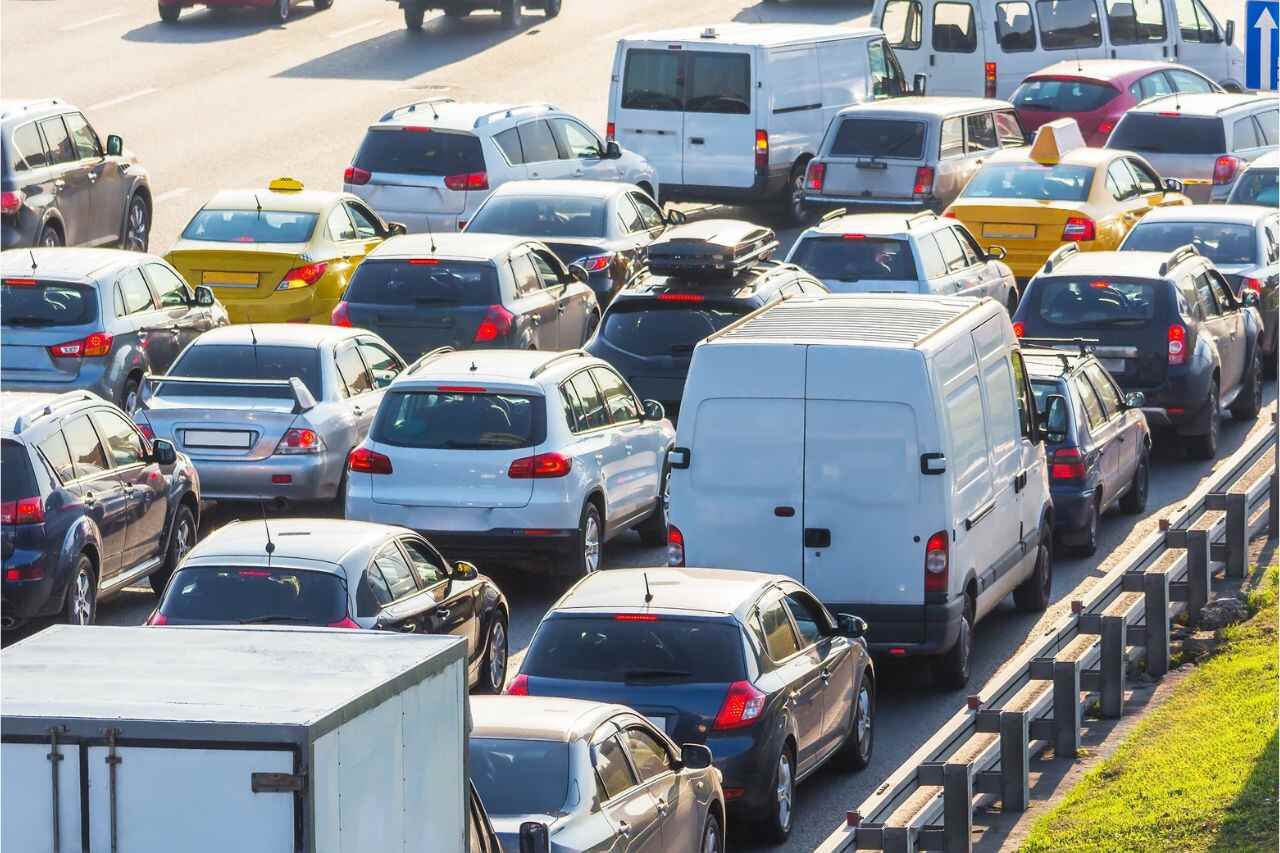
Italy’s urban roads are notorious for their congestion, especially during peak hours. Recent data sheds light on the factors contributing to this persistent issue.
Stagnant Speeds Amidst Rising Car Numbers
In 2025, Italy’s vehicle fleet stood at approximately 46.6 million light-duty vehicles, with a notable 9.98% of them powered by alternative fuels. (alternative-fuels-observatory.ec.europa.eu) Despite this, average speeds in major cities remain alarmingly low. For instance, in 2025, Rome’s average speed was 17 km/h, while Milan and Naples recorded 17.7 km/h and 17.8 km/h, respectively. (ansa.it)
The North-South Divide
Historically, northern cities boasted faster-moving traffic. However, by 2025, this advantage had diminished. The speed gap between northern and southern cities narrowed from 5.1 km/h in 2019 to just 1.8 km/h. This shift indicates that northern regions are experiencing increased congestion, while southern areas have seen improvements. (ansa.it)
Rome’s Traffic Challenges
Rome exemplifies the challenges faced by Italian cities. In 2025, the average daily travel time per vehicle was 62.1 minutes, up from 52.6 minutes in 2019. This equates to nearly 60 additional hours spent on the road annually, amounting to over two and a half extra days in traffic each year. (ansa.it)
The Car Ownership Dilemma
Italy’s car ownership rate is among the highest in Europe. In 2024, there were 701 cars per 1,000 inhabitants, surpassing the European Union average of 578. This surge in vehicles contributes significantly to traffic congestion. (ansa.it)
The Illusion of Expanding Infrastructure
Efforts to alleviate congestion by expanding roadways often lead to increased traffic. This phenomenon, known as “induced demand,” suggests that building more roads may not be the solution. Instead, reducing the number of cars on the road is crucial. (ansa.it)
Potential Solutions
To address these challenges, several measures can be considered:
-
Promote Alternative Transportation: Encouraging the use of bicycles, public transport, and walking can reduce the number of cars on the road.
-
Implement Congestion Pricing: Charging vehicles to enter high-traffic areas can deter unnecessary trips.
-
Enhance Public Transportation: Investing in efficient and reliable public transport systems can provide viable alternatives to car use.
-
Urban Planning: Designing cities to be more pedestrian-friendly and reducing the need for long commutes can alleviate traffic.
By adopting a multifaceted approach, Italy can work towards alleviating its traffic woes and improving the quality of life for its residents.