
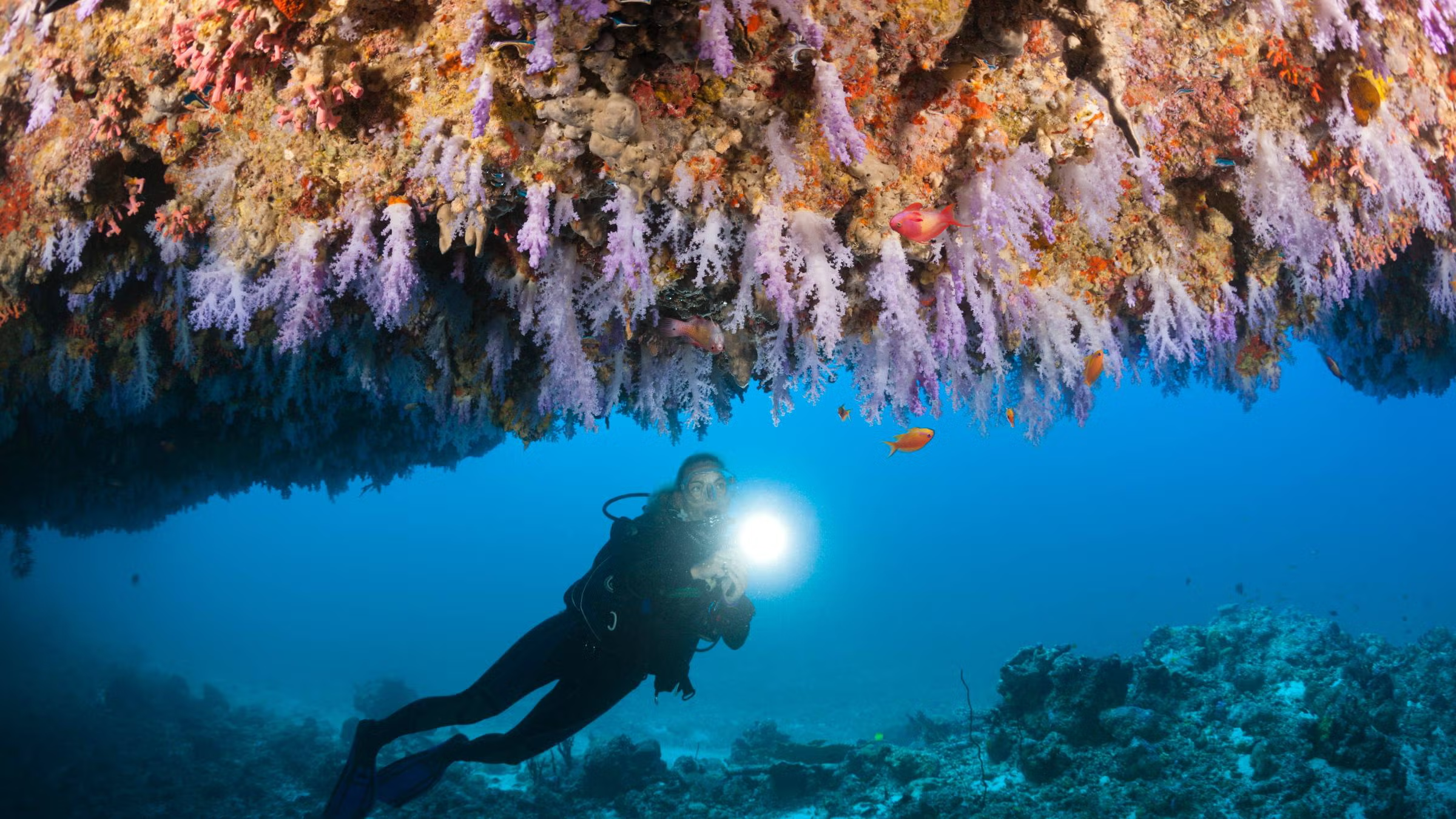
On May 14, 2026, a tragic incident unfolded in the Vaavu Atoll of the Maldives, marking the nation’s deadliest diving disaster. Five Italian divers—Monica Montefalcone, a marine biology professor; her daughter Giorgia Sommacal; marine biologist Federico Gualtieri; researcher Muriel Oddenino; and diving instructor Gianluca Benedetti—lost their lives while exploring the Thinwana Kandu cave system.
The group descended to depths exceeding the Maldives’ recreational diving limit of 30 meters (98 feet), reaching approximately 50 meters (164 feet). This depth is perilous, as oxygen toxicity can occur at such levels, posing significant risks to divers. (abc.net.au)
The cave’s entrance lies at a depth of about 55 meters, with light penetrating only the first chamber; beyond that, the environment is pitch dark. This lack of visibility, combined with the depth, increases the complexity and danger of the dive. (bworldonline.com)
The divers utilized standard recreational scuba gear, which is inadequate for such deep cave explorations. Specialized equipment, including closed-circuit rebreathers and multiple redundant gas tanks, is essential for deep overhead dives to ensure safety. (mvhotels.travel)
The recovery operation was fraught with challenges. A Maldivian military diver, Mohamed Mahudhee, tragically died of decompression sickness during the mission. The bodies of the Italian divers were eventually located deep within the cave’s third chamber, underscoring the perilous nature of the endeavor. (cbsnews.com)
This incident serves as a stark reminder of the inherent dangers of cave diving, especially when venturing beyond established safety limits without appropriate training and equipment. It underscores the critical importance of adhering to depth restrictions, using specialized gear, and ensuring thorough training to mitigate risks associated with such high-risk activities.
Highlights:
- New Dive Disaster Twist After Five Drowned in Cave, Published on Monday, May 18