
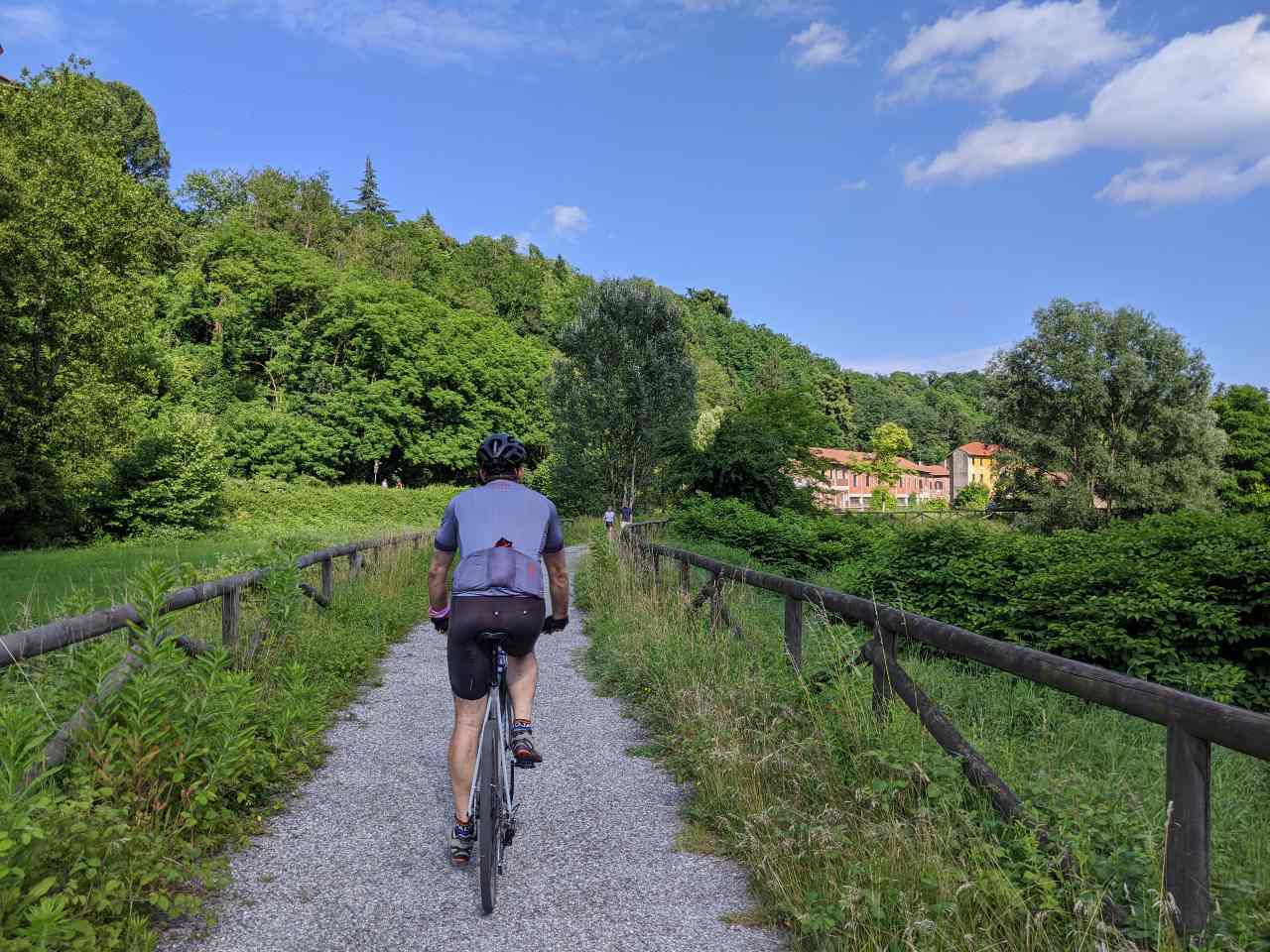
Lombardy’s Regional Government has approved an updated Cycling Mobility Plan, introducing 25 primary cycling routes across the region. This initiative aims to enhance the safety, connectivity, and accessibility of cycling infrastructure, promoting sustainable mobility and tourism. (regione.lombardia.it)
Strategic Investments in Cycling Infrastructure
The plan is backed by over €115 million in investments, sourced from regional, national, and PNRR funds. These resources are primarily allocated to develop major national cycling routes such as the Sole, Vento, Garda, and Milan-Munich trails. (regione.lombardia.it)
Integration with Public Transport and Daily Mobility
A key focus of the plan is the integration of cycling routes with public transport systems. The objective is to make these routes functional for daily commuting, improving accessibility to services, stations, and connections between urban centers and peripheral areas. This approach offers citizens a sustainable and safe alternative to private vehicle use. (regione.lombardia.it)
Comprehensive Mapping and Planning
The updated plan builds upon the 2014 Cycling Mobility Plan, incorporating a new cartographic database that maps existing cycling infrastructure. This mapping identifies areas requiring development and establishes intervention priorities to ensure continuous and secure cycling paths. (regione.lombardia.it)
The 25 Primary Cycling Routes
The plan outlines 25 primary cycling routes that traverse the Lombardy region, including:
- Ticino
- Pedemontana Alpina
- Adda
- Brescia–Cremona
- Via dei Pellegrini
- Villoresi
- Sole
- Vento
- Navigli
- Via delle Risaie
- Val Chiavenna
- Oglio
- Via del Mare–Via del Sale
- Greenway Pedemontana
- Lambro
- Valle Olona
- Tirrenica
- Milano–Munich
- Garda
- Lago Maggiore
- Anello Lago d’Iseo
- Alpina Valsabbia
- Brescia–Mantova
- Treviso–Ostiglia
- Lomellina (Pavia–Aosta)
Each route is designed to connect with local networks, integrate with public transport services, and link to key cultural and natural sites, fostering both daily mobility and tourism. (regione.lombardia.it)
This comprehensive approach underscores Lombardy’s commitment to developing a modern, attractive, and functional cycling network that meets the needs of both residents and visitors.