
Lake Garda’s Cycling Dilemma: Embracing or Rejecting Cyclotourism?
Lake Garda, renowned for its picturesque landscapes and cultural heritage, has long been a haven for cyclists. The region’s commitment to developing a comprehensive cycling infrastructure underscores its dedication to promoting sustainable tourism. However, recent developments and public sentiment suggest a complex relationship between the local community and the burgeoning cyclotourism sector.
Advancements in Cycling Infrastructure
In 2026, significant strides were made in enhancing Lake Garda’s cycling pathways. Notably, the cantilevered cycle path in Limone sul Garda, a 2.3 km steel and glass structure suspended over the lake, offers cyclists unparalleled views and a unique riding experience. Additionally, the Riva del Garda to Torbole connection and the Gargnano to Bogliaco section have been completed, further enriching the region’s cycling network. (feelgarda.com)
Economic Impact of Cyclotourism
Cyclotourism has become a cornerstone of Lake Garda’s economy. In 2025, Italy recorded approximately 49 million cyclotourist presences, contributing €6.4 billion to the national economy. Lake Garda, with its diverse terrains and scenic beauty, stands out as a prime destination for cycling enthusiasts worldwide. (tg24.sky.it)
Community Concerns and Public Sentiment
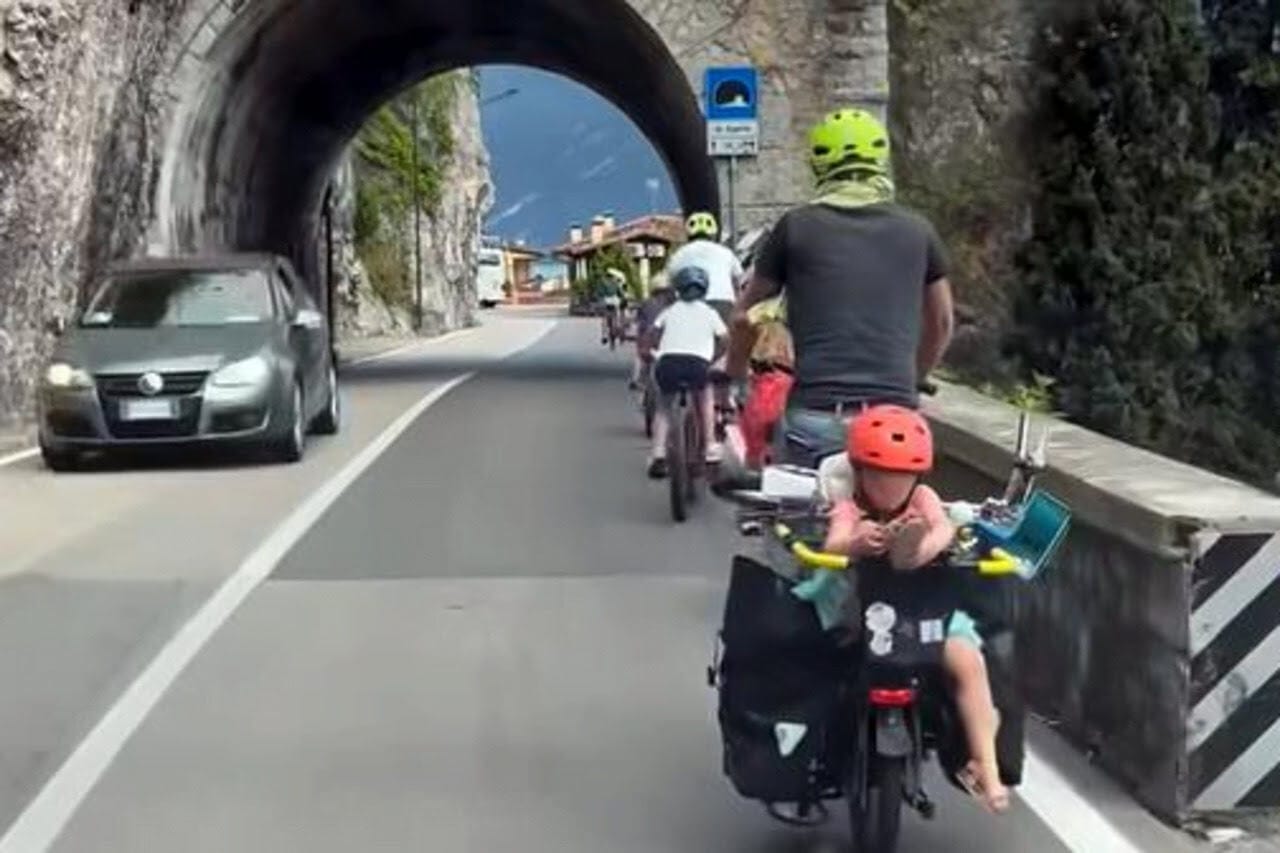
Despite these advancements, some local residents express concerns about the impact of cyclotourism on daily life. Incidents, such as a family cycling on the Gardesana Occidentale road near Limone del Garda, have sparked debates about road safety and the integration of cyclists with vehicular traffic. Critics argue that while infrastructure improvements are commendable, they must be accompanied by measures ensuring the safety and comfort of all road users.
Balancing Development with Community Well-being
The challenge lies in harmonizing the growth of cyclotourism with the needs and concerns of the local community. While the economic benefits are evident, it’s imperative to address issues related to infrastructure safety, traffic management, and community engagement. Ongoing dialogues between local authorities, residents, and cyclotourism stakeholders are essential to foster a sustainable and mutually beneficial environment.
Conclusion
Lake Garda’s journey with cyclotourism is emblematic of broader global trends where tourism development intersects with community dynamics. By prioritizing inclusive planning, transparent communication, and adaptive strategies, Lake Garda can continue to be a beacon for sustainable tourism, ensuring that both visitors and residents thrive in harmony.