
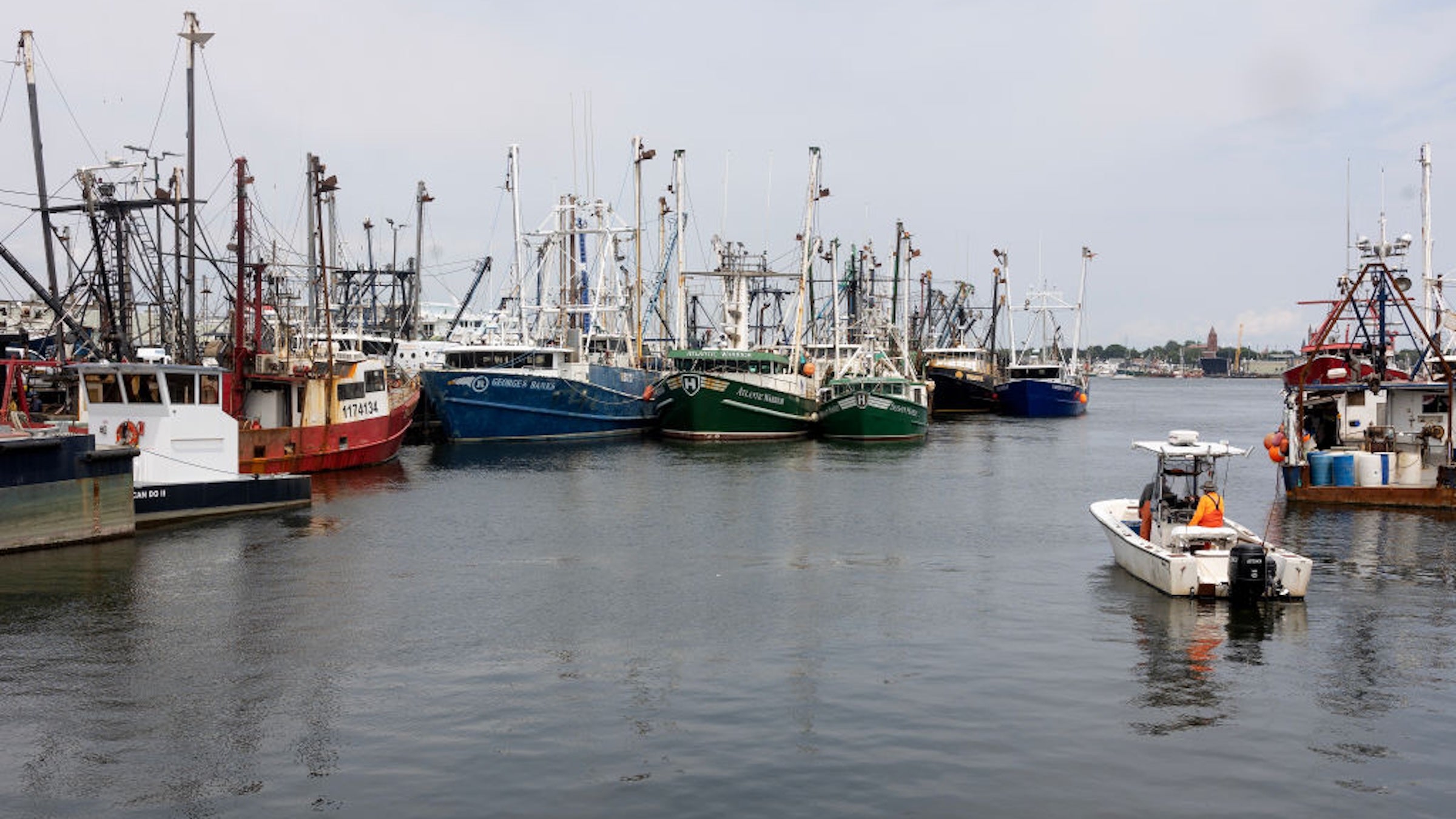
In the latest season of GBH News’ acclaimed podcast series, The Big Dig, titled “Catching The Codfather,” listeners are immersed in the compelling narrative of Carlos Rafael, a New England fishing magnate whose journey from industry titan to convicted felon has captivated many. (wgbh.org)
The Rise of Carlos Rafael
Carlos Rafael, often referred to as the “Codfather,” was a prominent figure in New Bedford, Massachusetts, a city renowned for its rich fishing heritage. By the mid-2010s, Rafael had established one of the largest commercial fishing operations in the United States, owning 32 fishing vessels and 44 permits. His company, Carlos Seafood Inc., was a cornerstone of the local economy, employing numerous individuals and contributing significantly to the community. (justice.gov)
The Fall: Unveiling the Fraud
Despite his success, Rafael’s empire was built on a foundation of deceit. Between 2012 and 2016, he systematically falsified records submitted to the National Oceanic and Atmospheric Administration (NOAA), misreporting approximately 782,812 pounds of fish. By labeling cod and sole as haddock or other abundant species, he evaded federal fishing quotas designed to protect overfished species. This fraudulent activity not only violated federal regulations but also threatened the sustainability of New England’s fisheries. (justice.gov)
Rafael’s illegal operations were further exposed when he engaged in discussions with undercover federal agents posing as organized crime figures interested in purchasing his business. During these meetings, he boasted about his ability to launder money through his seafood company, offering it as an ideal “laundromat” for illicit funds. (washingtonpost.com)
Legal Consequences and Industry Impact
In 2017, Rafael pleaded guilty to multiple charges, including conspiracy, falsifying records, bulk cash smuggling, and tax evasion. He was sentenced to 46 months in prison, fined $200,000, and ordered to pay restitution of $108,929 to the U.S. Treasury. Additionally, he was permanently banned from participating in the commercial fishing industry. (justice.gov)
The repercussions of Rafael’s actions were far-reaching. His company was sold off, and the once-thriving fishing fleet was dismantled. The bankruptcy of Blue Harvest Fisheries, a company that acquired part of Rafael’s fleet, left numerous small businesses in New Bedford with outstanding debts, highlighting the broader economic impact of his fraudulent activities. (nationalfisherman.com)
The Podcast: A Deep Dive into a Complex Story
“Catching The Codfather” delves into the complexities of Rafael’s story, exploring themes of regulation, ethics, and the challenges of balancing economic interests with environmental sustainability. Hosted by Ian Coss, the six-part series features interviews with key figures, including former government officials and industry experts, providing a multifaceted perspective on the events that unfolded. (wgbh.org)
The podcast is available for free on major platforms such as Apple Podcasts, Amazon Music, Spotify, and NPR One, as well as on the GBH News website and YouTube channel. (wgbh.org)
“Catching The Codfather” offers an insightful examination of a pivotal moment in New England’s fishing history, prompting listeners to reflect on the intricate interplay between individual actions, industry practices, and regulatory oversight.