
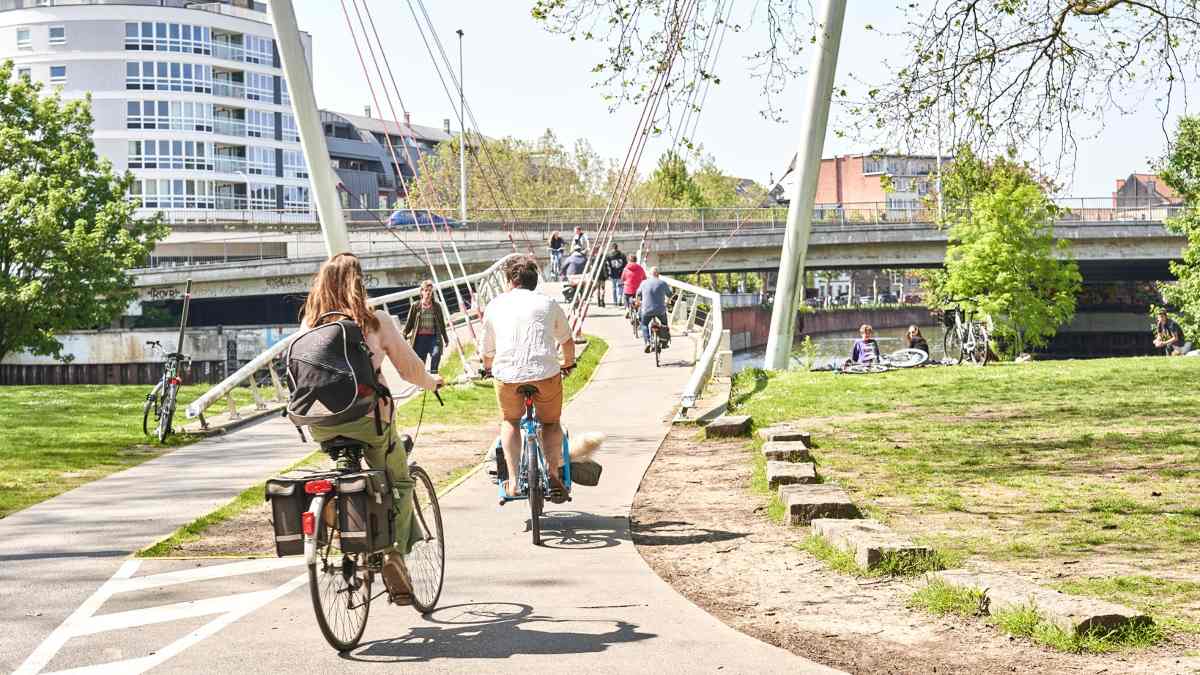
In recent years, educational institutions worldwide have increasingly recognized the multifaceted benefits of integrating cycling into their curricula. This approach not only promotes physical health but also enhances cognitive function, environmental awareness, and community engagement among students.
Global Initiatives in Cycling Education
In the United States, organizations like Outride have been at the forefront of this movement. Their “Riding for Focus” program, launched in 2014, provides middle schools with bicycles, helmets, curriculum, and professional development to incorporate cycling into the school day. This initiative aims to improve student well-being, focus, and physical activity. Applications for the 2026 cycle were open until April 17, 2026. (outridebike.org)
Similarly, the CYCLE Kids program has been instrumental in helping children build a strong foundation for physical and emotional health through cycling. Since 2004, in collaboration with Boston University, CYCLE Kids has expanded into a comprehensive curriculum taught in classrooms nationwide, impacting over 12,000 students. (cyclekids.org)
Local Programs Making a Difference
In Marin County, California, the Marin County Bicycle Coalition’s “Cory’s Ride” program empowers students by providing bikes, safety training, and leadership skills. Since 2020, over 200 bikes have been distributed through their earn-a-bike classes, fostering confidence and community among students. (marinbike.org)
In Arizona, Wheel Fun promotes the well-being of young children by improving public school students’ emotional, mental, and social states; teaching life skills; encouraging physical activity; and spending time outdoors. Founded in 2017, Wheel Fun offers free programs and mountain bikes to a diverse range of socioeconomic backgrounds, races, and identities who would otherwise be unable to participate. (wheelfun.org)
The Impact of Cycling on Education
Integrating cycling into education offers numerous benefits:
-
Enhanced Focus and Cognitive Function: Regular physical activity, such as cycling, has been linked to improved concentration and academic performance.
-
Environmental Awareness: Cycling education fosters a deeper understanding of sustainable transportation and environmental stewardship.
-
Community Engagement: Programs like “Cory’s Ride” and “Wheel Fun” build strong community bonds and instill leadership skills among students.
As educational institutions continue to seek innovative ways to engage students and promote holistic development, cycling education stands out as a dynamic and effective approach. By embracing this model, schools can cultivate a generation of students who are not only academically proficient but also physically active, environmentally conscious, and deeply connected to their communities.