
Design and Recycling: When the Bicycle Becomes Furniture
The bicycle has long been more than just a mode of transportation; its sleek lines and dynamic form have captivated designers and artists alike. This fascination has led to innovative creations where bicycles are transformed into functional art pieces, seamlessly blending aesthetics with practicality.
Objects from Frames: A Tribute to the Bicycle
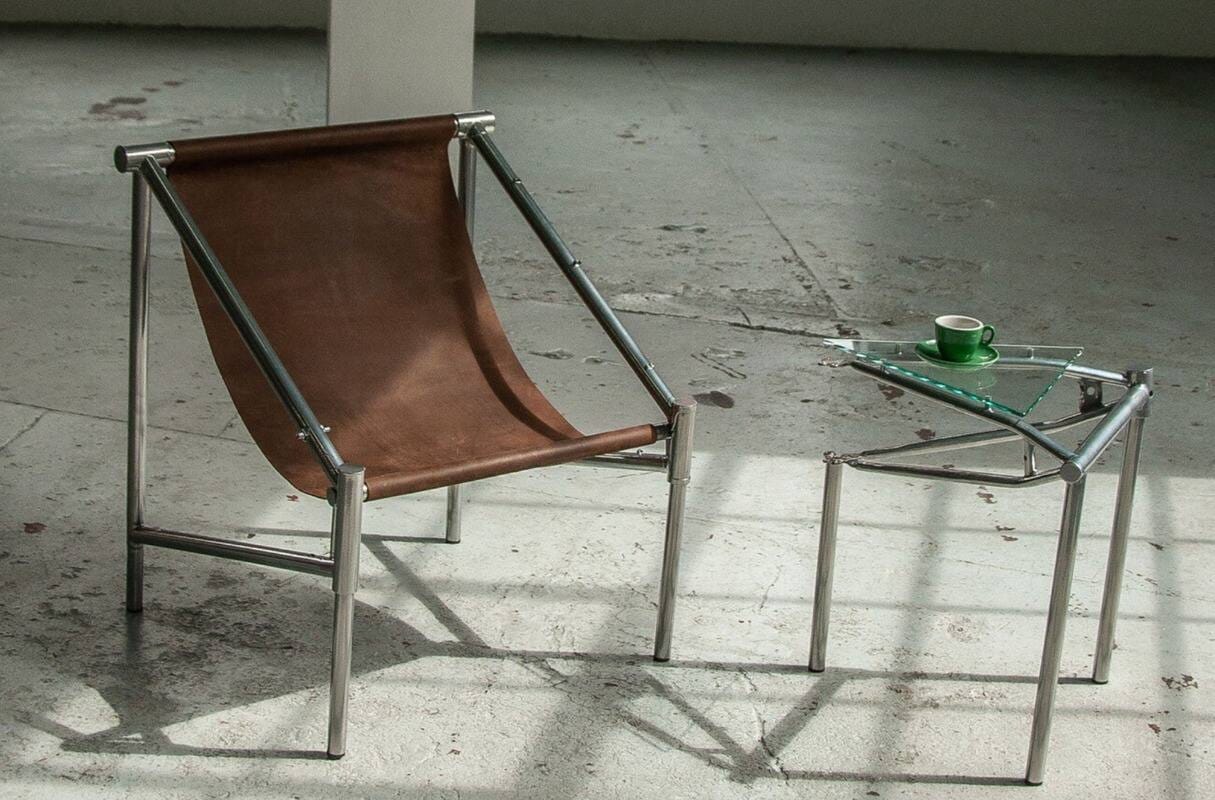
Dublin-based designer Cara Campos has taken this concept to new heights with her “Objects from Frames” (OFF) collection. Born from her industrial design studies, this project repurposes discarded bicycle frames into minimalist furniture pieces, including chairs, tables, and lamps. Campos’s approach is rooted in honoring the bicycle’s original form, preserving its curves, joints, and even signs of wear. By doing so, she pays homage to the bicycle’s history while giving it a new life in the domestic environment. (designboom.com)
Sustainability and Innovation in Design
Campos’s work exemplifies a broader trend in design that emphasizes sustainability and innovation. By reimagining everyday objects, designers can create unique pieces that tell a story and reduce waste. This approach not only breathes new life into discarded items but also challenges traditional notions of design and functionality.
The Future of Bicycle-Inspired Design
As urban environments continue to embrace cycling, the integration of bicycle-inspired design into furniture and architecture is likely to grow. Designers like Campos are leading the way, demonstrating that with creativity and respect for materials, even the most utilitarian objects can be transformed into art. This fusion of design and recycling not only produces functional pieces but also fosters a deeper connection between people and the objects they use daily.
In conclusion, the transformation of bicycles into furniture is more than a design trend; it’s a movement that celebrates sustainability, creativity, and the enduring appeal of the bicycle. Through projects like “Objects from Frames,” designers are redefining the boundaries of design and inspiring a new appreciation for the potential of everyday objects.