
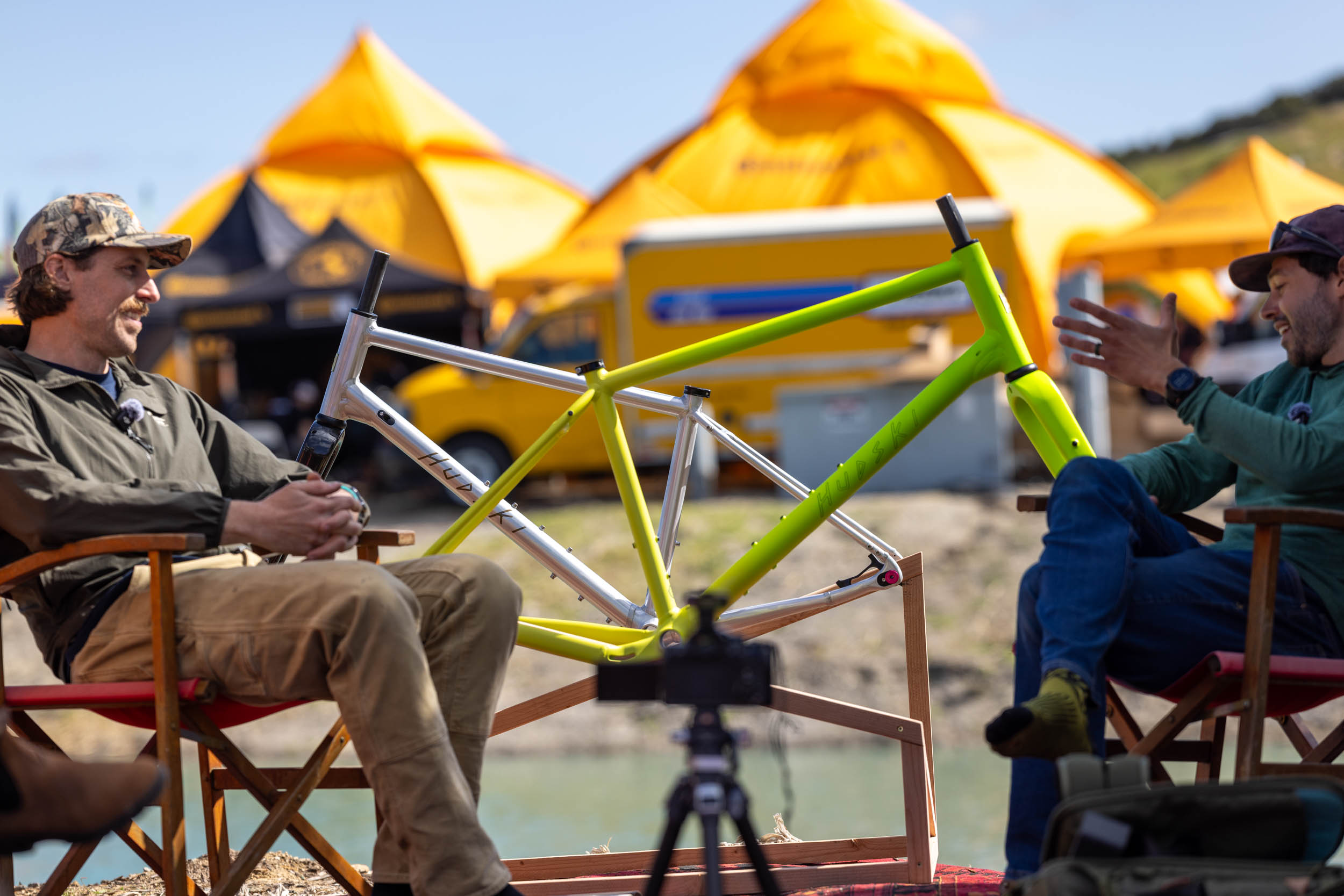
Artificial Intelligence (AI) is revolutionizing the bicycle industry, introducing innovations that enhance design, manufacturing, and rider experience. From AI-driven e-bikes to data analytics platforms, the integration of AI is reshaping the cycling landscape.
AI-Enhanced E-Bikes
At the 2026 Taipei Cycle Show, AI-powered e-bikes took center stage. The CHC consortium unveiled a prototype featuring Vision Sensing and Dynamic Damping, utilizing cameras and algorithms to detect road conditions and adjust suspension in real-time. This advancement signifies a leap towards smarter, more responsive cycling technology. (biketips.com)
Data Analytics Platforms
Companies like Bicycle AI are developing platforms that transform real-time operational data into actionable insights. These tools enable organizations to identify revenue leaks, detect growth opportunities, and implement corrective measures without manual analysis, streamlining business operations. (bicycle.ai)
Sustainability and Efficiency
AI is also contributing to sustainability in the cycling industry. Nuvo, a Taiwanese accessory manufacturer, employs AI to optimize energy consumption in production, aiming to establish the first green factory in the bicycle sector. Similarly, Decathlon plans to reduce CO₂ emissions from its products by 40% by 2026, with 20% of this reduction stemming from product design improvements. (showdaily.net)
Industry Adoption and Future Outlook
The adoption of AI in the bicycle industry is accelerating. A report indicates that the global smart bike market was valued at USD 1.2 billion in 2022 and is projected to grow at a compound annual growth rate (CAGR) of 24.3% through 2028. This growth is driven by AI-driven supply chain optimization, which can reduce inventory costs for bike manufacturers by 15%, and AI-optimized aerodynamic simulations that are 100 times faster than traditional methods. (wifitalents.com)
In conclusion, AI is becoming integral to the bicycle industry, driving advancements in product development, operational efficiency, and sustainability. As technology continues to evolve, the cycling experience is set to become more personalized, efficient, and environmentally friendly.
Highlights:
- ‘AI is going to change women’s performance research from the bottom up’ – Kristen Faulkner inputs 4,400 hours of personal training history and gains ‘actionable’ output, Published on Thursday, April 23