
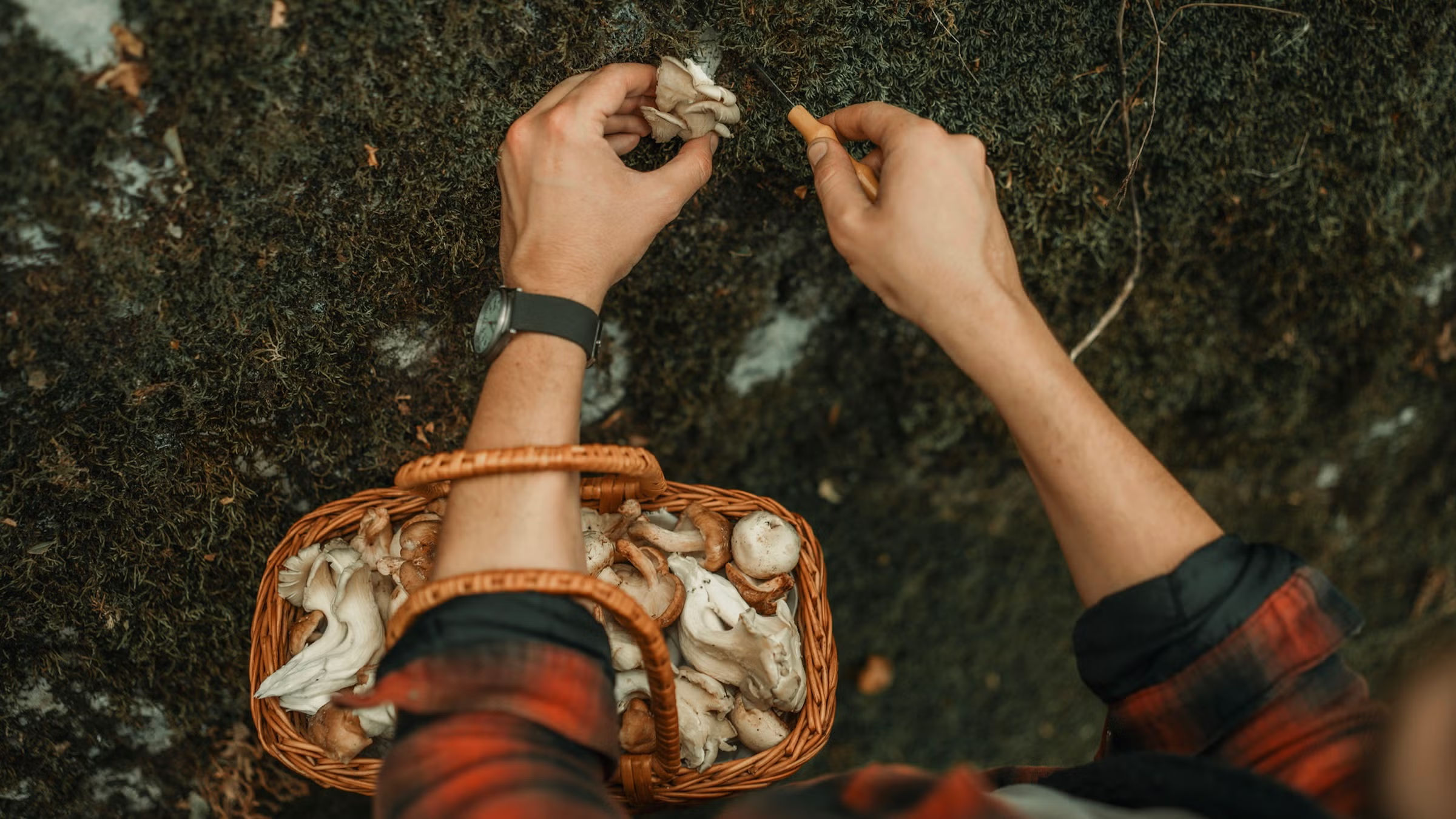
In late July 2026, a group of ten adults and one minor were hospitalized after consuming wild mushrooms they had foraged near Yellowstone National Park in Montana. The incident occurred on the evening of July 27, when emergency responders were called to a private residence in Park County, adjacent to the park, to assist individuals exhibiting symptoms consistent with mushroom poisoning. As of the latest reports, all victims remain hospitalized, with seven in serious condition.
Jon Ebelt, spokesperson for the Montana Department of Health and Human Services (DPHHS), stated that preliminary information suggests this was an isolated event, with no ongoing threat to the public beyond the inherent risks associated with mushroom foraging. He emphasized that there is no evidence linking the incident to any restaurants or grocery stores. The DPHHS is currently investigating the matter but has not disclosed the specific type of mushrooms involved.
Mushroom foraging, while popular, carries significant risks due to the presence of toxic species that can be easily mistaken for edible ones. Cathy Cripps, a mycologist with Western Montana Mycology, highlighted that Montana is home to numerous mushroom species, many of which are inedible or poisonous. She advised foragers to stick to well-known edible varieties and to exercise caution, as even edible mushrooms can be harmful if not properly prepared.
The incident near Yellowstone is part of a broader pattern of mushroom poisoning cases in the United States. In California, an unprecedented outbreak between November 2025 and February 2026 resulted in four deaths and 40 hospitalizations linked to the consumption of toxic mushrooms, notably the death cap (Amanita phalloides). Health officials have urged the public to exercise extreme caution when foraging for wild mushrooms and to seek guidance from experienced foragers or mycological societies. (theguardian.com)
For those interested in mushroom foraging, it is crucial to accurately identify edible species and to be aware of their toxic lookalikes. Utilizing reputable field guides, consulting with local mycological societies, and attending foraging workshops can significantly reduce the risk of accidental poisoning. Additionally, proper handling and cooking of mushrooms are essential, as some toxins are not destroyed by heat.
In the event of suspected mushroom poisoning, immediate medical attention is imperative. Contacting local poison control centers or emergency services can provide critical assistance. Preserving samples of the consumed mushrooms and noting the time of ingestion can aid medical professionals in administering appropriate treatment.
Mushroom foraging can be a rewarding activity, but it requires thorough knowledge and respect for the potential dangers. By educating oneself and adhering to safety guidelines, foragers can enjoy the experience while minimizing health risks.