
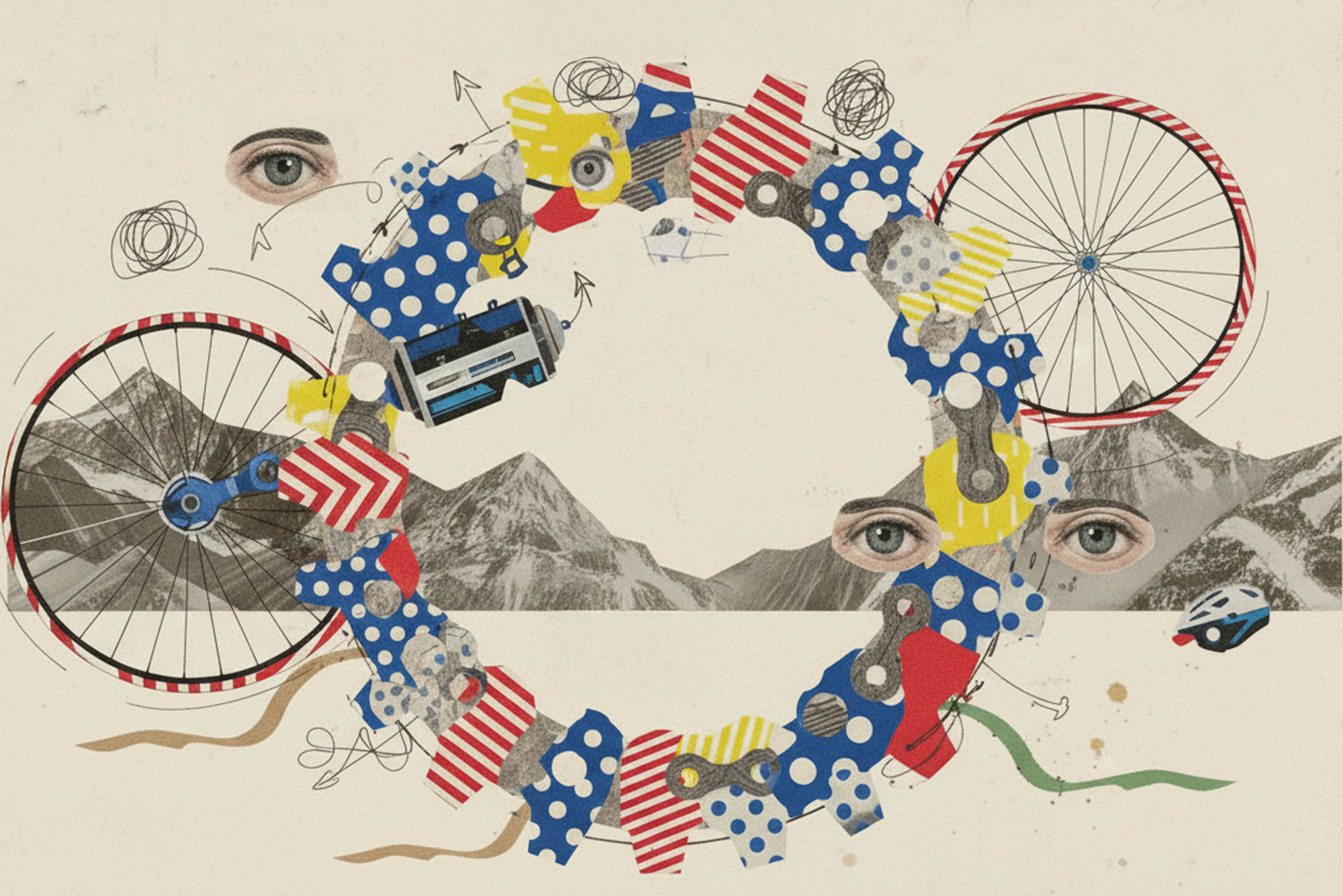
Reimagining Cycling: Beyond the Numbers Game
In the ever-evolving world of cycling, the conversation has become dominated by metrics—torque figures, aerodynamic gains, and performance statistics. While these numbers are essential, they often overshadow the true essence of cycling: the experience. To foster genuine growth in the cycling industry, it’s imperative to shift our focus from mere numbers to the stories and emotions that resonate with riders.
The Current Landscape: A Numbers Obsession
Recent discussions within the cycling community have highlighted a concerning trend: an overemphasis on numerical data. This fixation has led to a cycle where media, marketing, and even product development prioritize statistics over the rider’s journey. Such an approach risks alienating potential cyclists who seek connection and meaning in their rides.
Drawing Parallels: The Airline Analogy
Imagine booking a vacation and being inundated with details about the aircraft’s engine thrust, cruising altitude, and fuel efficiency. While these factors are crucial for the flight’s operation, they don’t capture the allure of the destination—the warm Atlantic breeze, the feel of volcanic soil, or the serene ocean views. Similarly, in cycling, focusing solely on technical specifications can overshadow the joy and freedom that the sport offers.
The Pitfall of Superlatives
The cycling industry has often fallen into the trap of using superlatives to market products. Terms like “fastest,” “lightest,” or “most efficient” are prevalent, but without context, they can be misleading. For instance, a bike might be the lightest in its category, but if it doesn’t align with a rider’s needs or riding style, that attribute becomes irrelevant.
The Allure of Sensationalism
In today’s media landscape, sensationalism garners attention. Headlines boasting about groundbreaking innovations or record-breaking performances attract clicks and views. However, this approach often simplifies complex products and experiences, reducing them to mere numbers and headlines. True simplicity lies in conveying the essence of a product without oversimplifying its value.
Rethinking Objectivity
The adage “numbers do not lie” is often cited in the cycling industry. However, every measurement is a construct—a decision about what to measure and how to interpret it. Relying solely on numbers can create a false sense of objectivity, distancing us from the real-world experiences of riders.
The Dangers of Oversimplification
Reducing cycling to a series of numbers and rankings can be detrimental. It fosters competition without context and progress without direction. This approach can lead to products that, while impressive on paper, fail to deliver the desired riding experience.
The Shift Towards Experience
Consumers are increasingly seeking experiences over products. They desire bikes that offer comfort, joy, and a sense of adventure. By focusing on the holistic experience and the emotions associated with cycling, brands can connect more deeply with their audience.
The Role of Journalism
Journalists play a pivotal role in shaping the narrative of cycling. Their responsibility is to translate technical details into stories that resonate with readers, highlighting the human element of the sport. By focusing on the rider’s journey and the emotions elicited by cycling, journalism can bridge the gap between numbers and experience.
A Call to Action
The cycling industry stands at a crossroads. To truly grow and connect with a broader audience, it’s essential to move beyond the numbers game. By emphasizing the stories, emotions, and experiences that cycling offers, we can inspire a new generation of riders and ensure the sport’s vibrant future.
In conclusion, while metrics and specifications have their place, they should not overshadow the core of cycling—the joy, freedom, and community it fosters. By shifting our focus to the rider’s experience, we can create a more inclusive and engaging cycling culture.