
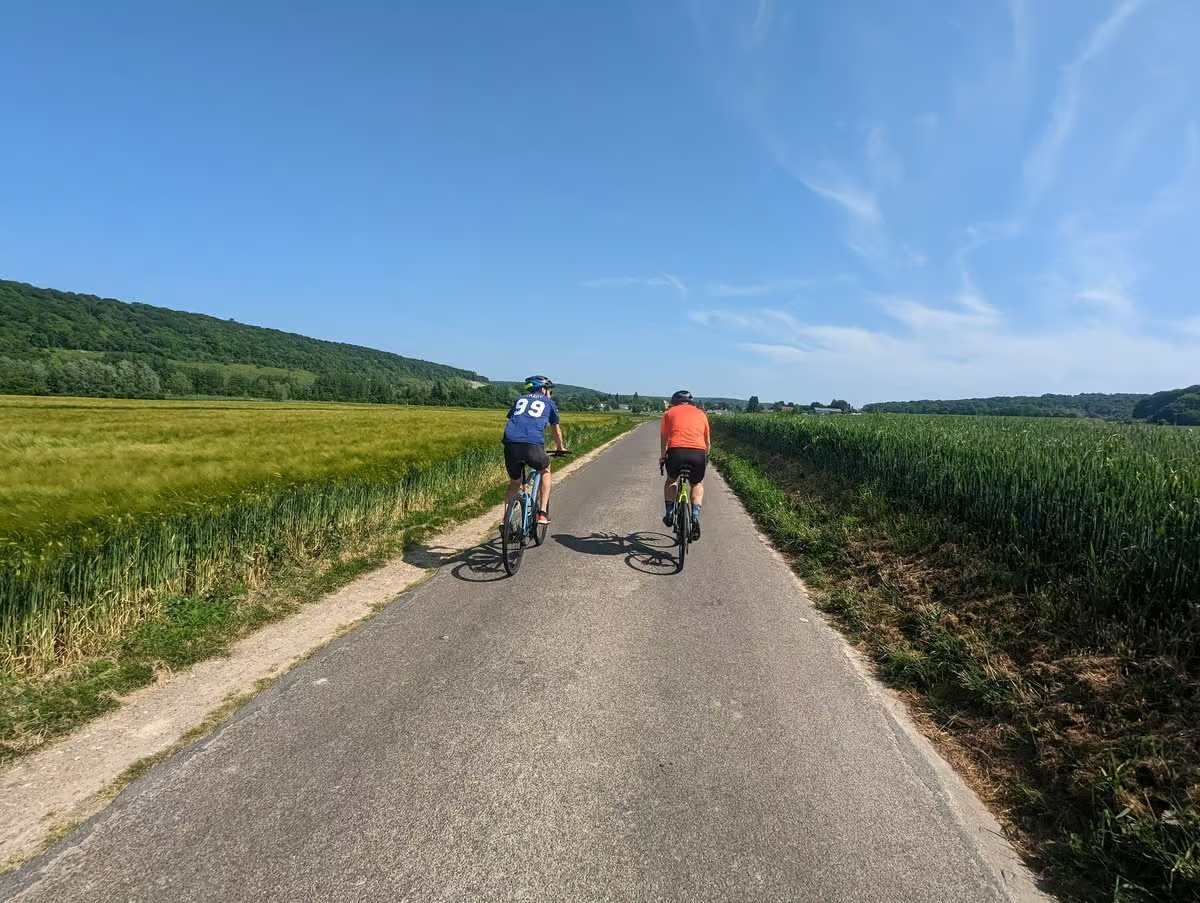
Cycling Safely in Extreme Heat: A Comprehensive Guide
As global temperatures rise, cycling during heatwaves has become a common challenge for enthusiasts. However, with proper preparation and awareness, you can ride safely and effectively even in scorching conditions.
Understanding the Impact of Heat on the Body
Cycling generates significant internal heat, and in high temperatures, the body’s cooling mechanisms can become overwhelmed. This can lead to dehydration, heat exhaustion, and in severe cases, heatstroke. Recognizing the signs of these conditions is crucial:
- Dehydration: Thirst, dry mouth, and fatigue.
- Heat Exhaustion: Headaches, nausea, dizziness, and excessive sweating.
- Heatstroke: Confusion, rapid heartbeat, and loss of consciousness.
Preparation and Acclimatization
Acclimating to heat involves gradually increasing exposure over 7–14 days, allowing the body to adapt to higher temperatures. This process enhances thermoregulation and reduces the risk of heat-related illnesses. (roadmancycling.com)
Hydration Strategies
Maintaining hydration is paramount:
- Pre-Ride: Consume 500–750ml of fluid with electrolytes 2 hours before cycling.
- During Ride: Aim for 500–1,000ml per hour, incorporating electrolytes to replenish lost minerals.
- Post-Ride: Rehydrate promptly to restore fluid balance.
Regular, small sips are more effective than drinking large amounts infrequently. (roadmancycling.com)
Optimal Timing and Route Planning
Choose cooler times of the day for cycling:
- Morning: Early hours often offer lower temperatures and reduced UV exposure.
- Evening: Temperatures typically decrease, providing a more comfortable riding environment.
Select routes with ample shade, such as paths through parks or along waterways, to minimize heat exposure. (bike-magazin.de)
Appropriate Clothing and Sun Protection
Wear light-colored, breathable clothing to reflect sunlight and facilitate cooling. Long-sleeved, moisture-wicking fabrics can protect against sunburn while allowing sweat evaporation. Apply a broad-spectrum sunscreen with a high SPF to all exposed skin areas, reapplying every two hours. Protective eyewear with UV400 lenses shields the eyes from harmful rays. (bike-magazin.de)
Pacing and Rest Periods
Adjust your riding pace to account for heat:
- Initial Phase: Reduce effort by 5–8% during the first hour to prevent early fatigue.
- Ongoing Monitoring: Listen to your body and modify intensity as needed.
Incorporate frequent breaks in shaded areas to cool down and rehydrate. (roadmancycling.com)
Protecting Children During Hot Weather Cycling
Children are particularly susceptible to heat-related issues:
- Timing: Limit cycling to early morning or evening hours.
- Attire: Dress children in loose, light-colored clothing and ensure they wear a wide-brimmed hat.
- Hydration: Encourage regular water intake and monitor for signs of dehydration.
Avoid exposing infants under six months to direct sunlight. (bike-magazin.de)
Maintaining Your Bicycle in High Temperatures
Heat can affect bicycle components:
- Tires: Check tire pressure regularly, as heat can cause overinflation.
- Battery Care: For electric bikes, store batteries in a cool place and avoid leaving them in direct sunlight.
- Road Conditions: Be cautious of road surfaces that may soften in extreme heat, increasing the risk of punctures. (tour-magazin.de)
Recognizing and Responding to Heat-Related Emergencies
Be vigilant for symptoms of heat-related illnesses:
- Heat Exhaustion: Stop cycling, move to a cooler area, and hydrate.
- Heatstroke: Seek immediate medical attention by calling emergency services.
Prompt action is essential to prevent serious health consequences. (bike-magazin.de)
Conclusion
Cycling in extreme heat requires careful planning and self-awareness. By implementing these strategies, you can enjoy safe and effective rides, even during the hottest days.