
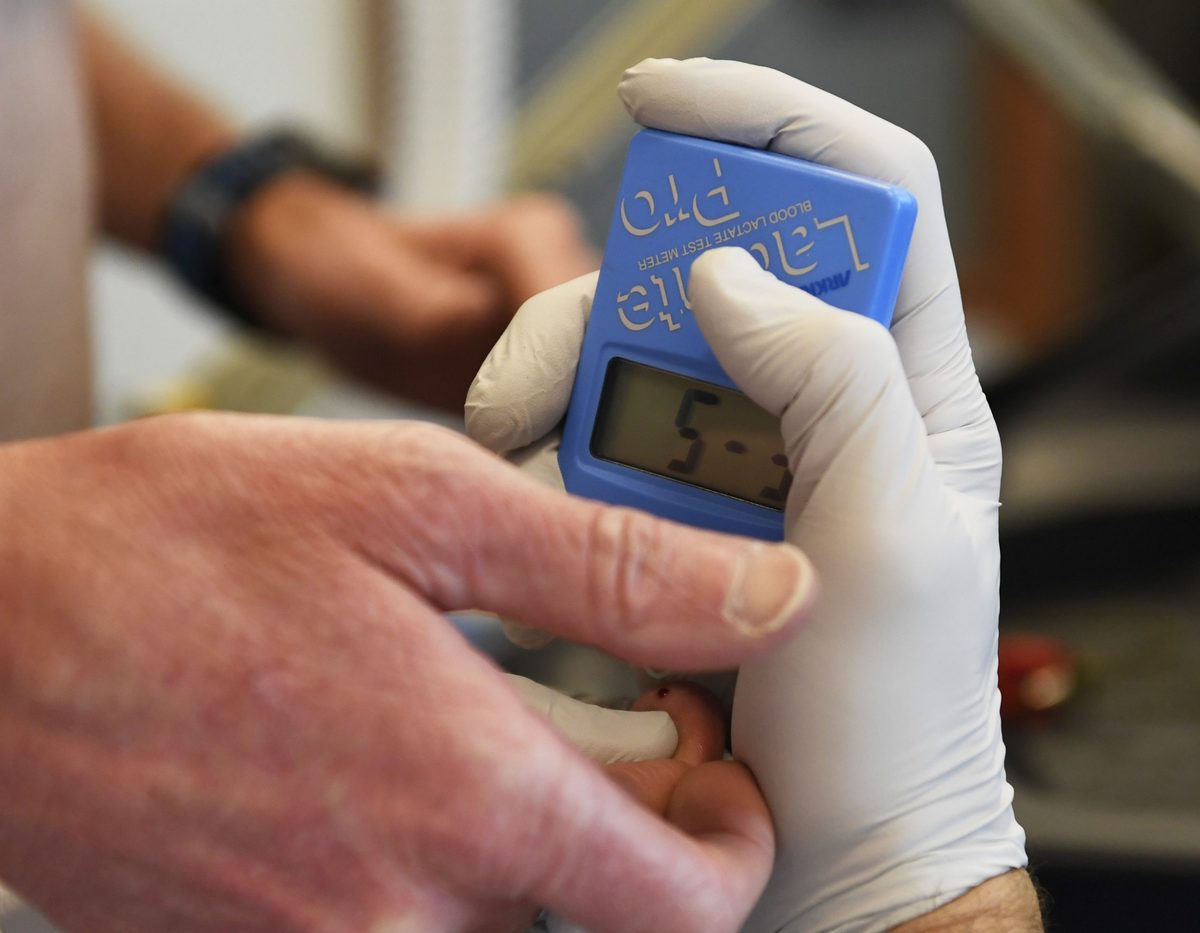
In the pursuit of optimal cycling performance, understanding and monitoring lactate thresholds is paramount. Traditionally, this has been the domain of laboratory tests, but recent advancements have introduced handheld lactate analyzers, bringing lab-grade data to the comfort of your home. However, while these devices offer convenience, they come with notable caveats that cyclists should consider.
The Rise of Home Lactate Testing
Lactate testing has long been a staple in professional cycling, providing insights into an athlete’s endurance capabilities and helping to fine-tune training zones. The advent of portable lactate analyzers has democratized this process, allowing cyclists to conduct tests without the need for specialized lab equipment. Devices like the EDGE Lactate Meter and Lactate Plus have gained popularity for their user-friendly interfaces and relatively quick results. (edge-usa.com)
Accuracy and Precision Concerns
Despite their convenience, the accuracy and precision of these handheld devices have been subjects of scrutiny. A systematic review published in March 2026 highlighted that while many portable blood lactate analyzers exhibit high correlations with laboratory standards, several models demonstrated systematic over- or underestimation at lactate levels above 6 mmol/L. This discrepancy is particularly concerning for cyclists aiming to establish precise training zones based on lactate thresholds. (doi.org)
Further research in April 2026 validated a novel handheld lactate analyzer against a laboratory reference device, revealing concentration-dependent biases. This means that the device’s accuracy can vary depending on the lactate concentration, potentially leading to misleading data during training sessions. (pubmed.ncbi.nlm.nih.gov)
Environmental and Procedural Influences
The performance of these devices is also influenced by external factors. Environmental conditions such as temperature and humidity, as well as procedural elements like the timing of sample collection post-exercise, can significantly impact lactate readings. These variables are often underreported, yet they can meaningfully affect the reliability of the data, making it challenging to draw accurate conclusions from at-home tests. (doi.org)
Recommendations for Cyclists
For cyclists considering the use of handheld lactate analyzers, it’s crucial to approach the data with caution. While these devices can offer valuable insights, they should not replace professional assessments. It’s advisable to use at-home lactate testing as a supplementary tool, ensuring that training decisions are also informed by other metrics and, when possible, validated through laboratory testing.
In conclusion, while the convenience of home lactate testing is appealing, cyclists must be aware of the potential inaccuracies and external factors that can influence results. Balancing the use of these devices with professional guidance will provide a more comprehensive understanding of one’s endurance capabilities and lead to more effective training outcomes.