
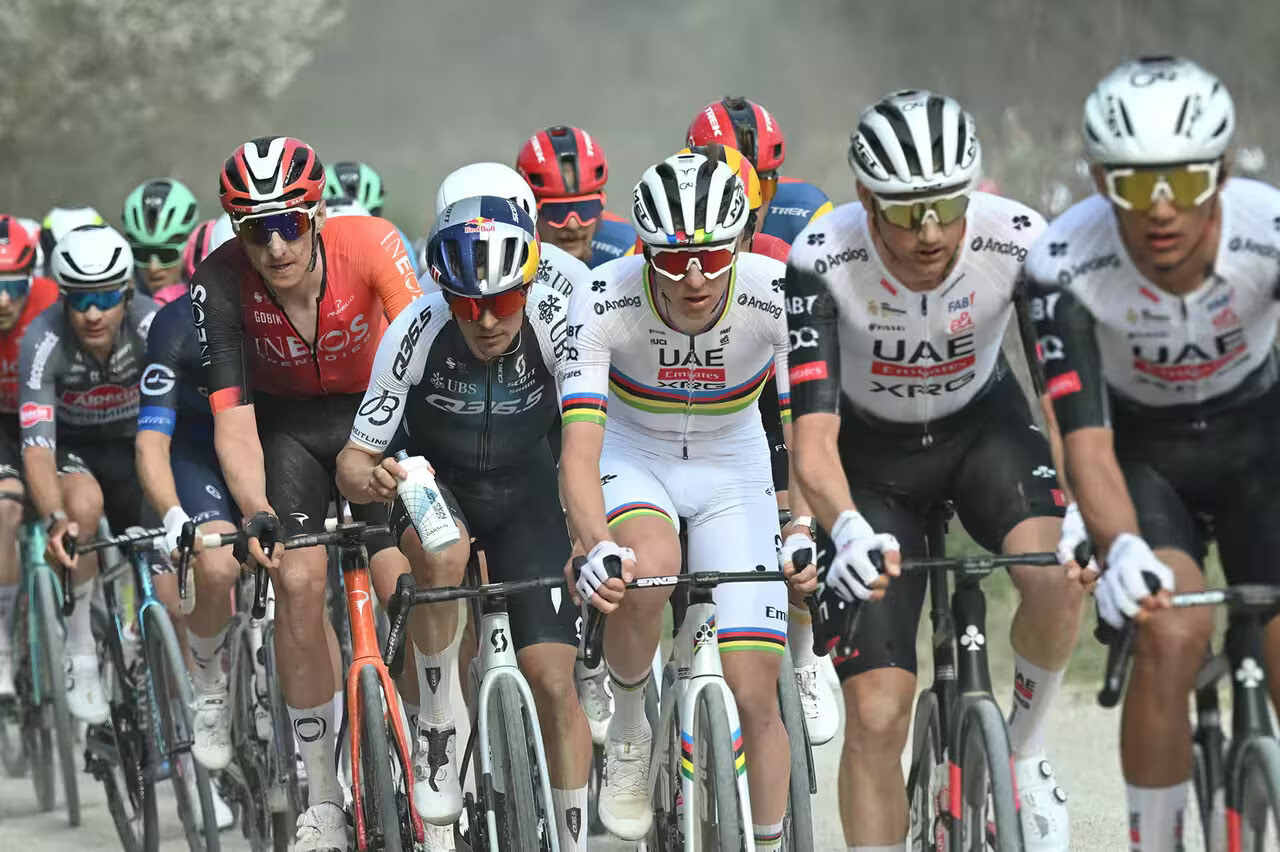
Cycling’s Sustainability Dilemma: A Closer Look at Professional Racing
Cycling has long been celebrated as an eco-friendly mode of transport, championed for its ability to alleviate traffic congestion, reduce emissions, and decrease reliance on automobiles. However, a deeper examination of professional cycling reveals a complex narrative that challenges this perception.
The Paradox of Professional Cycling
The modern World Tour is characterized by extensive intercontinental travel, fleets of support vehicles, frequent flights, and economic partnerships often linked to the fossil fuel industry. This stark contrast becomes particularly evident in the context of the escalating climate crisis, which is reshaping the organization of sporting events.
In recent years, teams, organizers, and federations have increasingly discussed emission reductions and climate neutrality. Yet, the pressing question remains: Is professional cycling genuinely making substantial changes, or is it merely leveraging its “green” image without enacting meaningful reforms?
Electric Support Vehicles: A Step Towards Change
One notable initiative is the Arctic Race of Norway’s adoption of a fully electric fleet of over a hundred vehicles, supported by mobile charging infrastructure along the race route. This approach not only reduces emissions but also streamlines logistics by providing vehicles directly to teams, eliminating the need for each team to transport their own cars to remote locations. While this model is particularly effective in Norway, where electric vehicle infrastructure is well-developed, it serves as a significant step towards reducing the environmental impact of races.
The Hidden Challenge: Global Logistics and Emissions
Beyond the visible presence of support vehicles, the international logistics of professional cycling contribute significantly to its carbon footprint. The sport’s global calendar spans continents, with teams, equipment, and staff frequently traveling vast distances, often within tight timeframes. Grand Tours exemplify this trend, with foreign starts becoming key promotional tools and commercial agreements. For instance, the Giro d’Italia commenced in Bulgaria this year. This extensive travel not only increases emissions but also places a strain on the environment and local communities.
Iconic Climbs and Environmental Impact
The legendary alpine ascents are integral to cycling’s heritage. However, many of these areas are fragile ecosystems, increasingly vulnerable to mass tourism and climate change. The sight of fans crowding mountain passes, accompanied by numerous parked cars, underscores the environmental toll of such events. Organizers have introduced green zones, traffic restrictions, and dedicated cleaning crews, yet the issue persists. A more sustainable approach could involve redesigning public access, with parking in valleys and collective transportation to sensitive areas.
The Uncomfortable Reality: Fossil Fuel Sponsorships
A significant contradiction within the sport is the reliance on sponsorships from the fossil fuel industry. In the 2025 Tour de France, seven teams were sponsored by companies or states associated with oil and gas production. The event’s organizer, A.S.O., also announced a partnership with TotalEnergies for the 2026 edition. This reliance on polluting industries undermines cycling’s image as a promoter of ecological transition. While securing sponsorships is challenging, especially in a competitive market, the sport’s dependence on such funding raises questions about its commitment to sustainability.
Climate Change’s Direct Impact on Racing
The climate crisis is already affecting races. The Tour Down Under faces extreme temperatures and fire risks annually, leading to course modifications. Similarly, the Tour de France may soon encounter similar challenges, with studies indicating that heatwaves are increasingly incompatible with endurance events held in the European summer. Extreme weather events, such as heavy rains, strong winds, and unexpected snowfalls, are making races more unpredictable and difficult to manage.
Cycling’s Potential to Influence Daily Habits
Despite these challenges, cycling holds a unique position to influence daily behaviors. The same bicycles used by professionals are accessible to millions of people for daily commuting. No other sport has such a direct connection to a practical solution for the climate crisis. The 2023 UCI Cycling World Championships in Scotland demonstrated this potential, with many visitors using sustainable transportation to attend events and residents expressing a desire to cycle more post-championships. This shift is crucial; the goal should be to leverage professional cycling to encourage more people to incorporate cycling into their daily lives.
A Pivotal Moment for Cycling’s Future
Cycling remains one of the most symbolically potent sports in the ecological transition. No other discipline can so immediately connect sporting spectacle to a concrete solution for sustainable mobility. Therefore, professional cycling must move beyond rhetoric. Structural choices, transparent data, and a more coherent vision are essential. Reducing the emissions of the convoy is important. Rethinking the calendar is even more so. But the real challenge will be deciding whether cycling wants to merely appear sustainable or truly become so.
Highlights:
- ‘We will take our sport to the next level’ – UCI-led overhaul launched to give bike racing more long-term appeal and stability, Published on Wednesday, February 18
- ‘The time for endlessly debating and re-diagnosing the problem has passed’ – Rapha launches updated ‘Roadmap’ for the future of cycling as UCI consultation period concludes, Published on Thursday, April 30
- ‘The sport remains built on fragile foundations’ – The Cyclists’ Alliance responds to UCI with warning that pro cycling is in danger, Published on Friday, May 01