
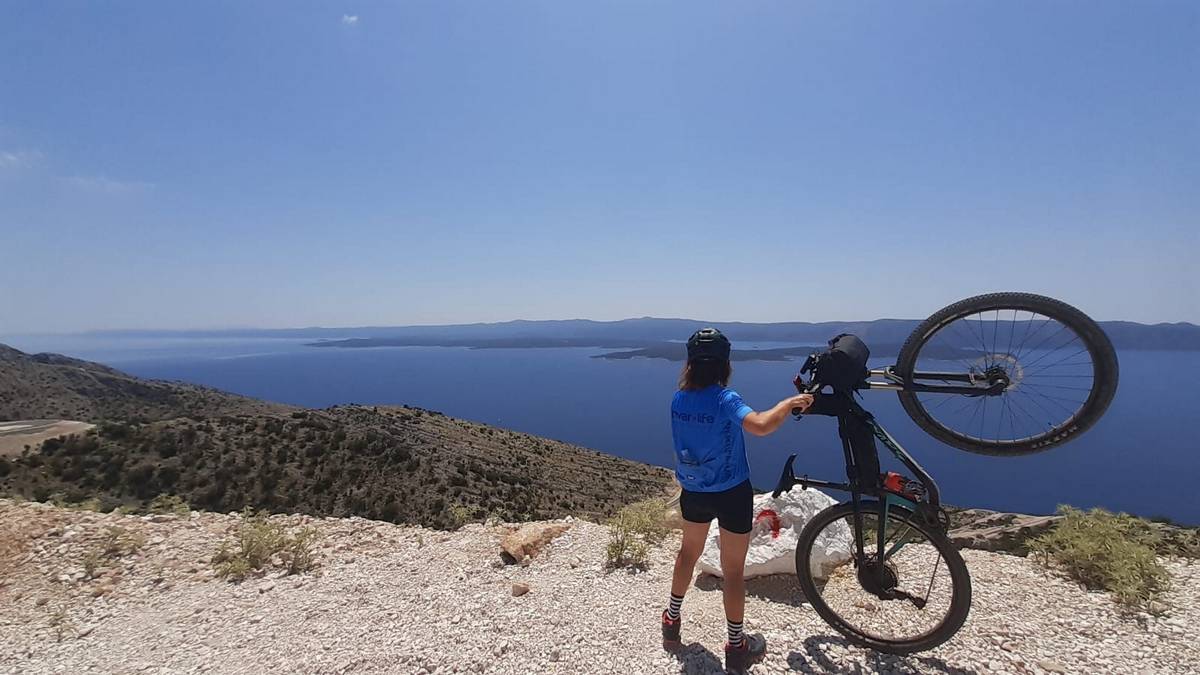
Croatia’s strategic approach to enhancing its cycling tourism has yielded impressive results, positioning the nation as a leading destination for cycling enthusiasts. Central to this success is the comprehensive National Cycle Tourism Development Plan, initiated in 2015, which emphasizes accessibility, network quality, intermodality, bike-friendly services, road safety, and destination marketing.
Accessibility to Neighboring Countries
Croatia’s proximity to major European markets, including Italy, Austria, Germany, and Slovenia, facilitates easy access for cyclists. The Istria region, in particular, benefits from its closeness to Northern Italy, enabling cyclists to arrive swiftly and begin their journeys. This ease of access has established Istria as a prominent gateway for Croatian cycle tourism.
Quality of the Network
The development of over 160 well-distributed cycling routes across Istria offers diverse landscapes, from coastal areas to vineyards and historic towns. Notably, the Parenzana trail has become a symbol of Croatian cycle tourism, showcasing how infrastructure can enhance cultural and scenic exploration.
Intermodality
Croatia’s efficient ferry system, connecting numerous islands, allows cyclists to combine biking with maritime travel seamlessly. This intermodal approach broadens travel possibilities, enabling cyclists to explore both mainland and island destinations effortlessly.
Bike-Friendly Services
A growing network of accommodations tailored for cyclists, including hotels, apartments, agritourisms, and Bike&Bed facilities, provides dedicated services such as secure bike storage and maintenance areas. These amenities enhance the overall experience, catering to the specific needs of cycling tourists.
Road Safety
Prioritizing cyclist safety, Croatia has developed dedicated cycling paths, utilized low-traffic secondary roads, and meticulously planned routes to ensure secure travel. This commitment has fostered a culture of road-sharing, creating a more favorable environment for cyclists.
Destination Coordination and Marketing
Croatia has invested in building a recognizable identity by coordinating efforts among tourist boards, local authorities, and industry operators. Cycling routes are well-documented and easily accessible online, transforming individual experiences into a coherent and appealing tourism offering for the European market.
A Model for Europe
Croatia’s achievements underscore the importance of a long-term vision in cycle tourism development. The integration of infrastructure, services, promotion, and safety measures, pursued consistently over time, has been key to their success. For those involved in regional planning and sustainable tourism, Croatia presents a compelling example of how cycle tourism can serve as a strategic development lever.
In 2026, Croatia continues to refine its tourism strategy, focusing on value, balance, and year-round demand. The emphasis is on sustainable practices, environmental preservation, and enhancing competitiveness and innovation within the sector. These efforts aim to position Croatia as a high-quality, safe, and year-round destination that offers value for money, aligning with global travel trends toward sustainability and longer stays. (thetraveler.org)
The Croatian National Tourist Board (HTZ) has increased investments in premium tourism, digital promotion, and sustainable destination development across the country in 2026. This includes a 30% increase in funding for new air routes and improved connectivity, as well as partnerships with major events and organizations to enhance Croatia’s international presence. (croatiaweek.com)
Additionally, the GREENPULSE project, running from January 2025 to December 2026, aims to develop and upgrade pedestrian and bicycle trails along water resources in the cross-border area, enhancing the tourist offer with relevant products and services. (interreg-hr-ba-me.eu)
These initiatives reflect Croatia’s ongoing commitment to sustainable tourism development, focusing on quality, sustainability, and long-term value, ensuring that cycling tourism remains a vital component of the country’s tourism strategy.