
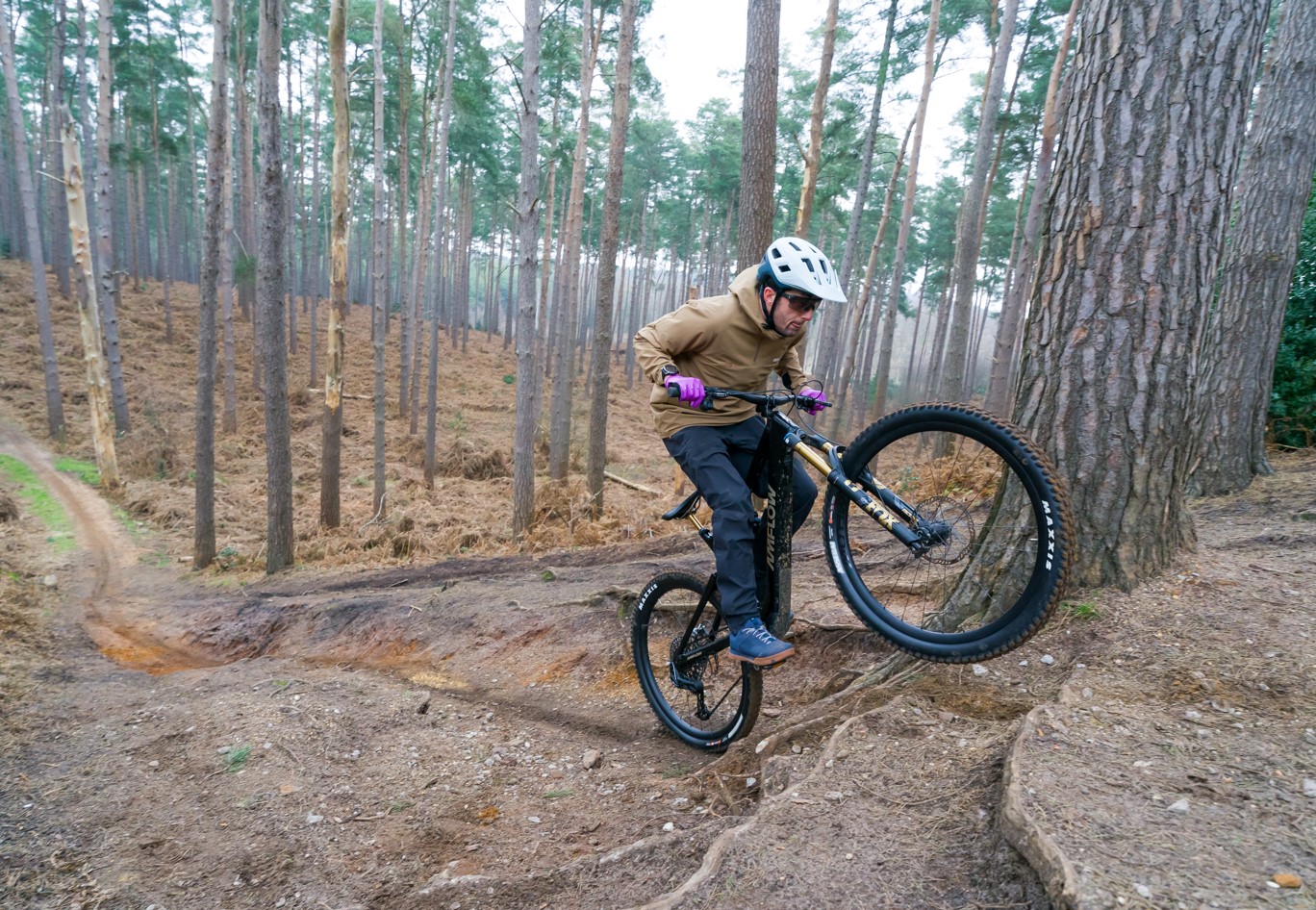
Avinox, the e-bike division of DJI, has recently introduced its M2S motor, boasting a peak power output of 1,500W—double that of competitors like Bosch and Shimano. (singletracks.com) This significant leap has ignited a debate within the cycling community regarding the implications of such high-powered motors.
Industry Concerns
The International Mountain Bicycling Association (IMBA) and veteran trail guides have expressed apprehension that the proliferation of high-powered e-MTBs could lead to trail bans and increased regulatory scrutiny. The challenge lies in distinguishing between e-bikes and electric motorcycles, which often appear similar to the untrained eye, potentially resulting in restrictive policies. (cyclingelectric.com)
Avinox’s Position
In response, Avinox has firmly dismissed these concerns, asserting that higher power does not threaten the industry. The company emphasizes that power is about capability, not speed, and that innovation should not be constrained by arbitrary power limits. Avinox argues that its high-powered systems democratize mountain biking by enabling riders to conquer steeper climbs, ride longer distances, and explore more challenging trails. (bikeradar.com)
Reader Sentiment
A recent BikeRadar poll revealed that 70% of respondents believe e-bike motor power should be capped. This suggests a significant portion of the cycling community is concerned about the potential consequences of increasingly powerful e-MTBs. (bikeradar.com)
Conclusion
While Avinox champions the benefits of high-powered motors in enhancing rider experience and accessibility, the broader cycling community remains divided. The debate centers on balancing innovation with responsible trail use and ensuring that advancements in e-bike technology do not inadvertently lead to restrictive regulations or diminished trail access.