
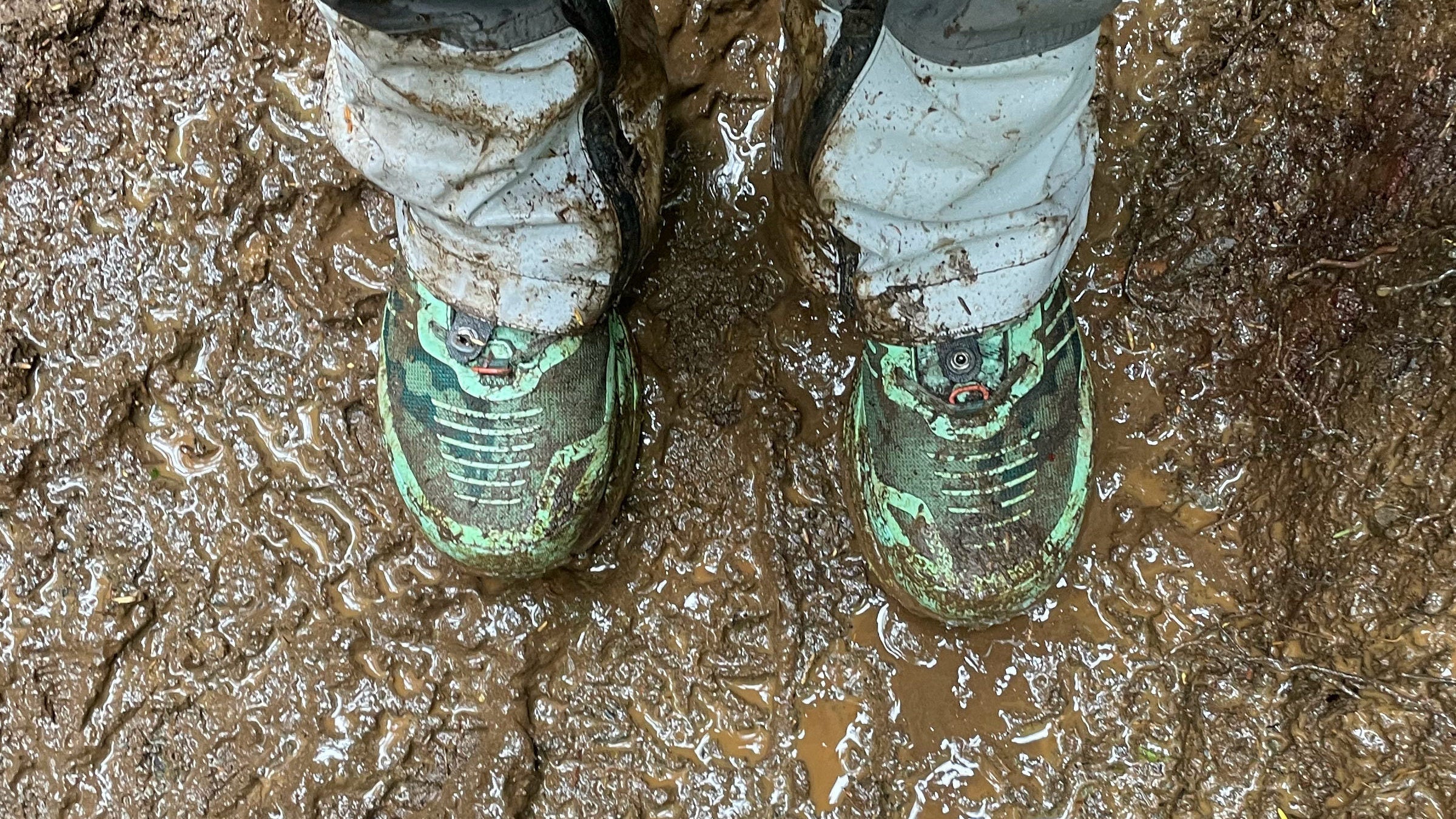
Choosing the Right Hiking Footwear: Waterproof vs. Non-Waterproof
When preparing for your next hiking adventure, selecting the appropriate footwear is paramount. The decision between waterproof and non-waterproof hiking boots hinges on various factors, including environmental conditions, personal comfort, and the specific demands of your trek.
Understanding Waterproof Footwear
Waterproof hiking boots are engineered with specialized membranes, such as Gore-Tex or eVent, which serve as barriers against external moisture while allowing internal moisture (like sweat) to escape. This design aims to keep your feet dry in wet conditions. However, it’s essential to recognize that these membranes can impede airflow, potentially leading to increased internal moisture and reduced breathability.
Considerations for Non-Waterproof Footwear
Non-waterproof hiking boots, often constructed with breathable mesh materials, excel in dry and warm environments. They facilitate superior airflow, promoting rapid drying and reducing the risk of blisters and fungal infections. However, in wet conditions, these boots offer minimal protection against water ingress, which can lead to discomfort and potential foot issues.
Evaluating Environmental Factors
The choice between waterproof and non-waterproof boots should be influenced by the specific conditions of your hiking environment:
-
Wet and Cold Conditions: In scenarios involving rain, snow, or muddy terrains, waterproof boots provide a crucial barrier against external moisture, helping to maintain foot warmth and comfort.
-
Dry and Warm Conditions: For hikes in arid or warm climates, non-waterproof boots are advantageous due to their breathability and rapid drying capabilities, enhancing overall comfort and reducing the likelihood of internal moisture-related issues.
Personal Comfort and Foot Health
Individual comfort and foot health are paramount. Waterproof boots can sometimes lead to a sensation of dampness due to internal moisture accumulation, especially during intense physical activity. Conversely, non-waterproof boots, while offering excellent breathability, may expose your feet to external moisture, potentially leading to discomfort or blisters.
Making an Informed Decision
Ultimately, the choice between waterproof and non-waterproof hiking boots should be tailored to your specific hiking conditions and personal preferences. Assess the typical weather patterns, terrain, and your comfort needs to make an informed decision that ensures a safe and enjoyable hiking experience.
Note: This article is based on information available up to March 7, 2026. For the most current insights and product reviews, consult recent publications and expert reviews.