
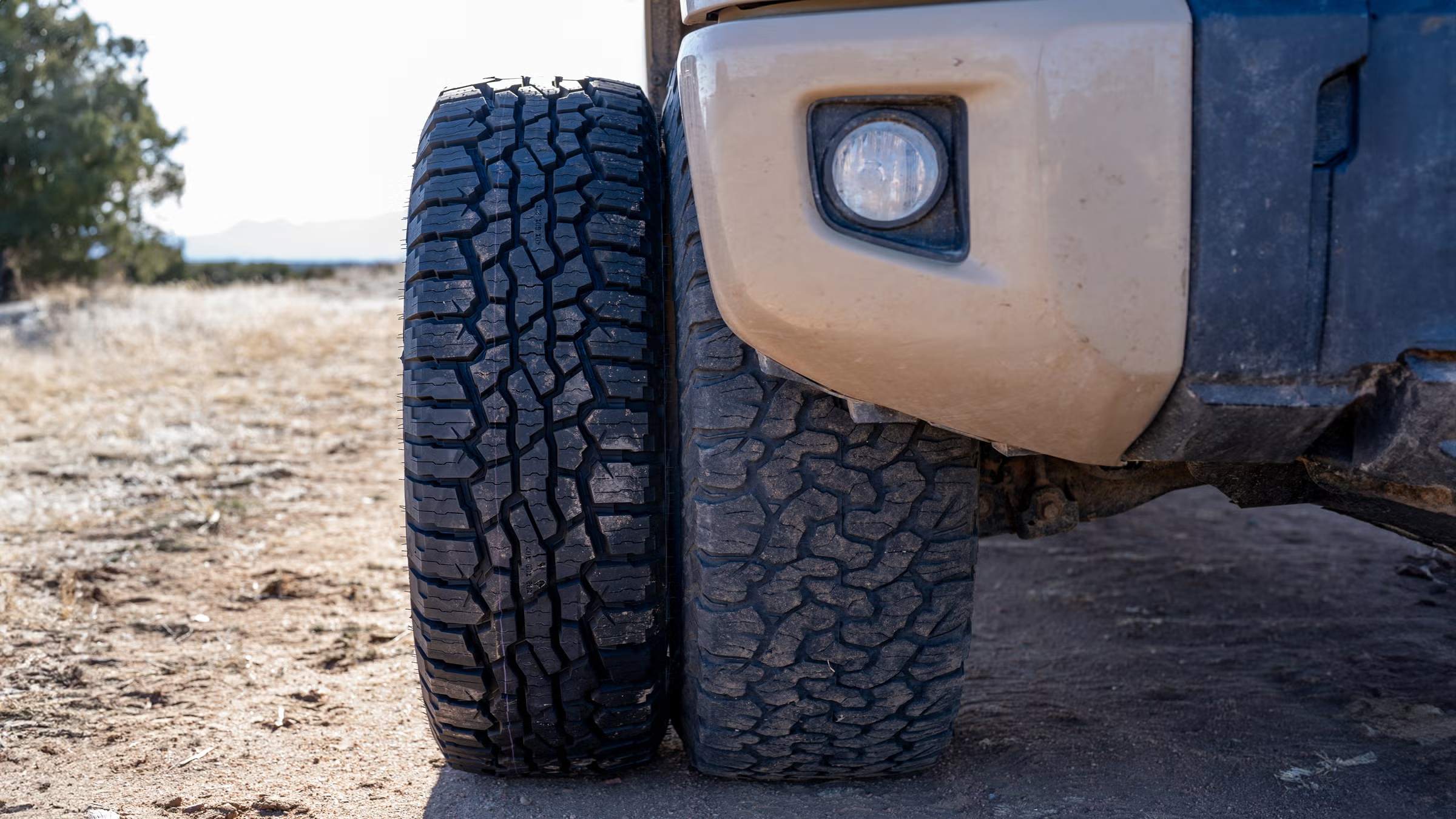
The Impact of Oversized Tires on Trucks and SUVs: A Comprehensive Analysis
In the pursuit of enhanced off-road capability and a more aggressive vehicle appearance, many truck and SUV owners opt for oversized tires. While this modification can offer certain benefits, it also introduces a range of challenges that merit careful consideration.
Advantages of Oversized Tires
-
Improved Off-Road Performance: Larger tires provide a broader contact patch, which can enhance traction on various terrains such as mud, sand, and snow. This increased surface area allows vehicles to navigate challenging off-road conditions more effectively. (victoryautobody.com)
-
Enhanced Aesthetic Appeal: Many enthusiasts appreciate the bold and rugged look that oversized tires impart to their vehicles, contributing to a more commanding presence on the road. (victoryautobody.com)
Disadvantages of Oversized Tires
-
Reduced Fuel Efficiency: The additional weight and rolling resistance of larger tires require the engine to exert more effort, leading to decreased fuel economy. This increased demand can result in higher fuel consumption and associated costs over time. (brandelldiesel.com)
-
Altered Handling Characteristics: Oversized tires can negatively impact vehicle handling, making steering less responsive and cornering less stable. The increased tire width may also introduce more road noise and vibrations, diminishing ride comfort during highway driving. (victoryautobody.com)
-
Accelerated Wear on Vehicle Components: The added weight and stress from larger tires can accelerate wear on suspension systems, brakes, and drivetrain components. This increased strain may lead to more frequent maintenance and potential repairs. (gmb.net)
-
Inaccurate Speedometer and Odometer Readings: Installing larger tires can cause the speedometer and odometer to provide incorrect readings, as the vehicle’s systems are calibrated for the original tire size. This discrepancy can affect driving behavior and vehicle diagnostics. (brandelldiesel.com)
-
Potential Legal and Insurance Implications: Depending on local regulations, oversized tires may render a vehicle non-compliant with road safety laws, leading to fines or other penalties. Additionally, insurance premiums could increase, or coverage might be affected if the vehicle has been heavily modified. (victoryautobody.com)
Mitigating the Drawbacks
To address some of the negative impacts associated with oversized tires, vehicle owners can consider the following modifications:
-
Re-Gearing: Adjusting the vehicle’s axle ratios can help compensate for the larger tire size, improving acceleration and towing capabilities. However, this modification can be costly and complex. (brandelldiesel.com)
-
Upgrading Braking Systems: Enhanced brake components can help manage the increased stopping distances associated with larger tires, improving overall safety. (brandelldiesel.com)
-
Calibrating Vehicle Electronics: Reprogramming the vehicle’s computer systems can correct inaccuracies in speedometer readings and ensure that safety features function correctly with the new tire size. (torquenews.com)
Conclusion
While oversized tires can enhance a vehicle’s off-road capabilities and visual appeal, they also present several challenges, including reduced fuel efficiency, altered handling, and increased wear on vehicle components. Before making such modifications, it’s essential to weigh these factors carefully and consider the potential need for additional upgrades to maintain vehicle performance and safety.