
E-Bike Parking Challenges Impede Growth Potential, Study Finds
A recent study from Switzerland highlights a significant mismatch between the increasing demand for electric bikes (e-bikes) and the availability of secure, sheltered parking facilities. The research, based on data from the 2021 Swiss Mobility and Transport Microcensus, reveals that the likelihood of having access to high-quality, locked bicycle parking is lower than the probability of owning an e-bike, irrespective of socio-demographic factors or location. (itdp.org)
This shortage of adequate parking infrastructure is particularly impactful in areas with limited public transportation options. The study suggests that existing housing structures are often ill-equipped to accommodate high-value e-bikes that require charging facilities. As a solution, the researchers propose the implementation of on-street storage boxes, as retrofitting older or more compact buildings to meet modern transportation needs can be complex. (itdp.org)
E-Bike Parking Needs Differ from Traditional Cycle Parking
The study emphasizes that traditional bicycle parking facilities are not suitable for e-bikes, which are heavier and require secure storage. The researchers note that older infrastructure designed for conventional bicycles may no longer meet the needs of today’s e-bike users. They advocate for a reevaluation of bicycle parking strategies to accommodate the unique requirements of e-bike owners. (itdp.org)
Data analysis indicates that while 78.6% of respondents have access to some form of bicycle parking, only 12% consider it to be of high quality. This lack of secure parking options contributes to concerns about theft, especially for higher-priced e-bikes. The limited availability of suitable parking facilities hampers the growth potential of e-bike adoption. (itdp.org)
Policy Recommendations
The researchers recommend that policymakers integrate secure bicycle parking into urban planning and development processes, making it a mandatory feature in new housing projects, similar to the standardization of electric vehicle charging ports for cars. With e-bike sales surpassing those of traditional bicycles in many European countries, and the increased feasibility of longer commutes due to pedal-assist technology, promoting e-bikes offers significant economic and environmental benefits, including reduced car parking demand, improved public health, and decreased congestion and pollution. (itdp.org)
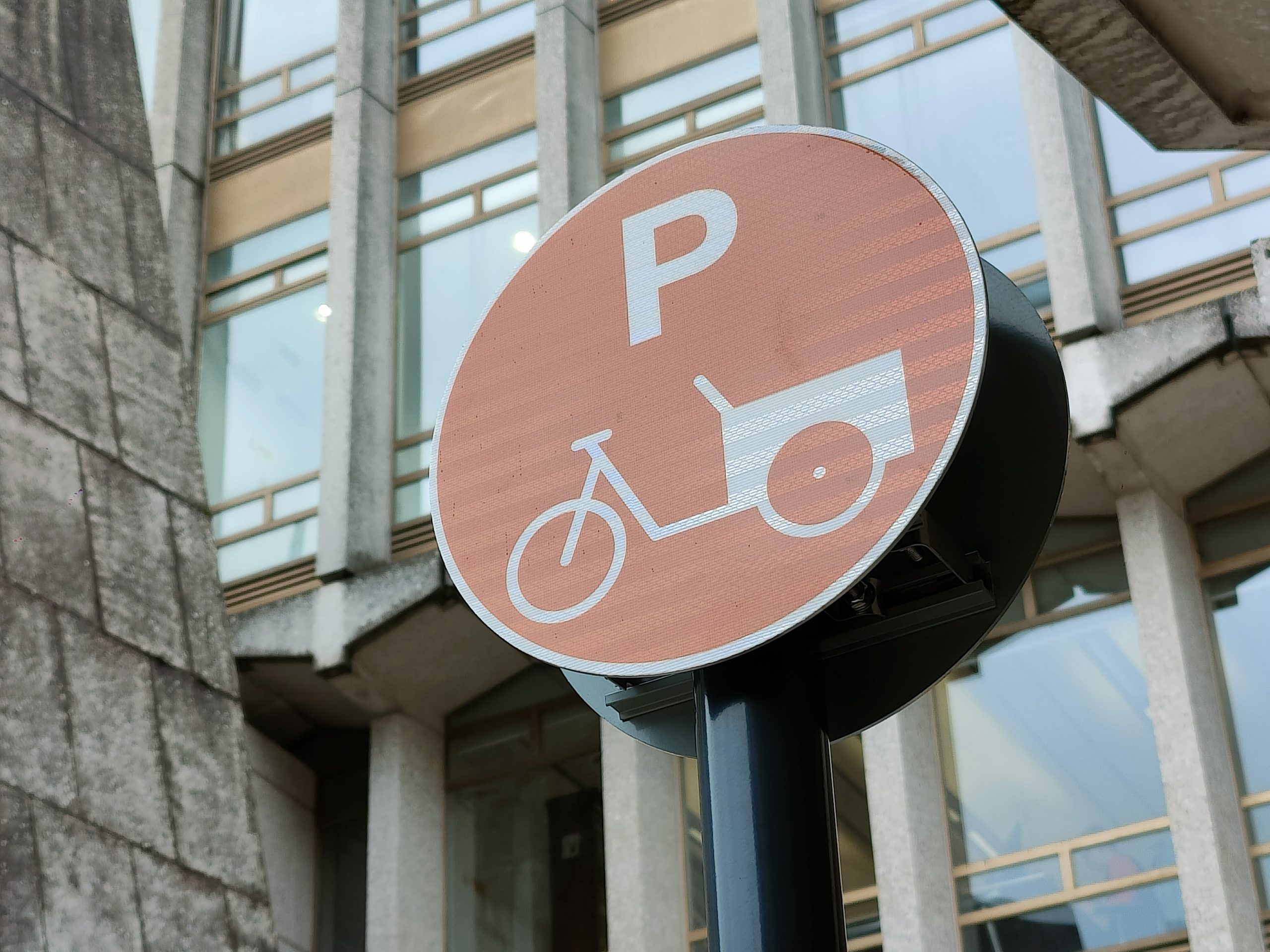
The study also calls for further research to understand how the adoption of larger electric cargo bikes affects the supply and demand for parking facilities. As the demand for utility-capable cycles grows, especially in Europe, there is a need for parking solutions that accommodate these larger vehicles, which are more compatible with limited living spaces. (itdp.org)
In the United Kingdom, similar challenges have emerged, particularly in London, where landlords have imposed bans on tenants with e-bikes due to misunderstood fire safety concerns. This issue arises from the conflation of electric bikes with non-standard vehicles that may be modified with unsafe or non-road-legal kits. (itdp.org)
Addressing these parking infrastructure challenges is crucial for unlocking the full potential of e-bikes as a sustainable and efficient mode of urban transportation.
Highlights:
- Veo ridership rises in Denver, but scooter complaints persist, Published on Tuesday, August 25
- Hoboken & Jersey City roll out first-in-the region overflow parking pilot for Citi Bike as annual ridership approaches 1 million, Published on Sunday, April 19
- Orlando works on logistical solutions for micromobility, Published on Wednesday, May 13