
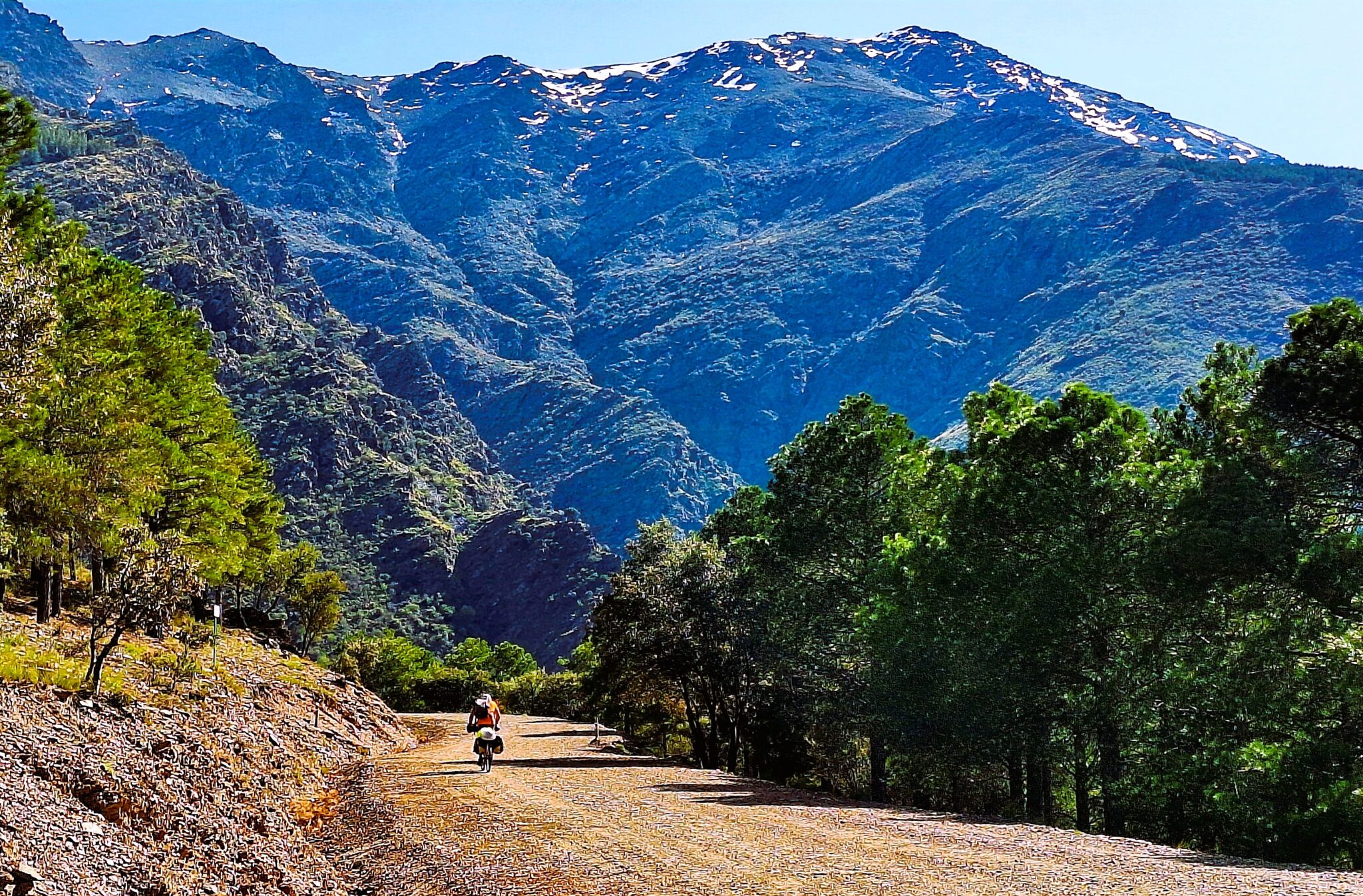
Transnevada: The Ultimate High-Mountain Cycling Adventure
Embark on an unparalleled journey through Spain’s Sierra Nevada mountain range with the Transnevada cycling route. This challenging circuit spans approximately 435 kilometers over eight stages, offering riders a unique blend of rugged terrain, breathtaking vistas, and a true test of endurance.
Route Overview
Officially inaugurated in 2012, the Transnevada traces the GR-240, also known as the Sulayr Trail, which encircles the entire Sierra Nevada massif. This adaptation transforms the trail into a mountain biking odyssey that traverses high-altitude paths, forest tracks, and remote roads, with several sections exceeding 2,000 meters in elevation and a maximum point at 2,351 meters. Notably, this route boasts one of the highest average elevations for a cycling path in Spain.
Key Features
-
Elevation and Terrain: The route’s cumulative elevation gain and steep gradients present a formidable challenge. Riders should be prepared for sections requiring dismounting and pushing the bike.
-
Accommodation: The Transnevada is designed for self-sufficiency, with limited access to towns or villages along the way. Cyclists are encouraged to camp or utilize mountain refuges, embracing the essence of high-mountain adventure.
-
Ideal Bike: A robust mountain bike with reliable gearing and tires of at least 2 inches is recommended. For those considering an electric mountain bike, be aware that detours to towns for battery charging may be necessary.
Stages and Logistics
The Transnevada is divided into eight stages, each offering distinct challenges and rewards. While some stages conclude in remote areas without facilities, strategic planning allows for resupply and rest in nearby towns. For instance, the second stage ends at Abrigos de la Solana, a mountain refuge, but the nearby town of Cogollos de Guadix provides opportunities to stock up on supplies for subsequent stages.
Planning Your Adventure
-
Timing: The majority of riders opt to undertake the Transnevada in early summer, as higher altitudes can lead to significantly lower temperatures during other seasons. However, daytime temperatures can be quite warm, even at elevated elevations.
-
Preparation: Meticulous planning is essential. Ensure you have sufficient provisions, as resupply points are scarce. Carry water purification tablets, as natural water sources may be unreliable. Lightweight camping gear is advisable to minimize weight.
-
Experience Level: This route is best suited for experienced mountain cyclists in excellent physical condition, equipped for multi-day high-altitude camping.
Additional Resources
For those seeking a guided experience, Ride Trans Nevada offers hotel-to-hotel mountain bike tours across the Sierra Nevada and Alpujarra region. These tours provide full support, including luggage transfers and local guides, allowing riders to focus solely on the adventure. Various loops are available, catering to different skill levels and preferences. (ridetransnevada.com)
Embarking on the Transnevada is more than just a cycling challenge; it’s an immersion into the heart of Spain’s rugged landscapes, a journey that tests your limits and rewards you with unparalleled natural beauty.