
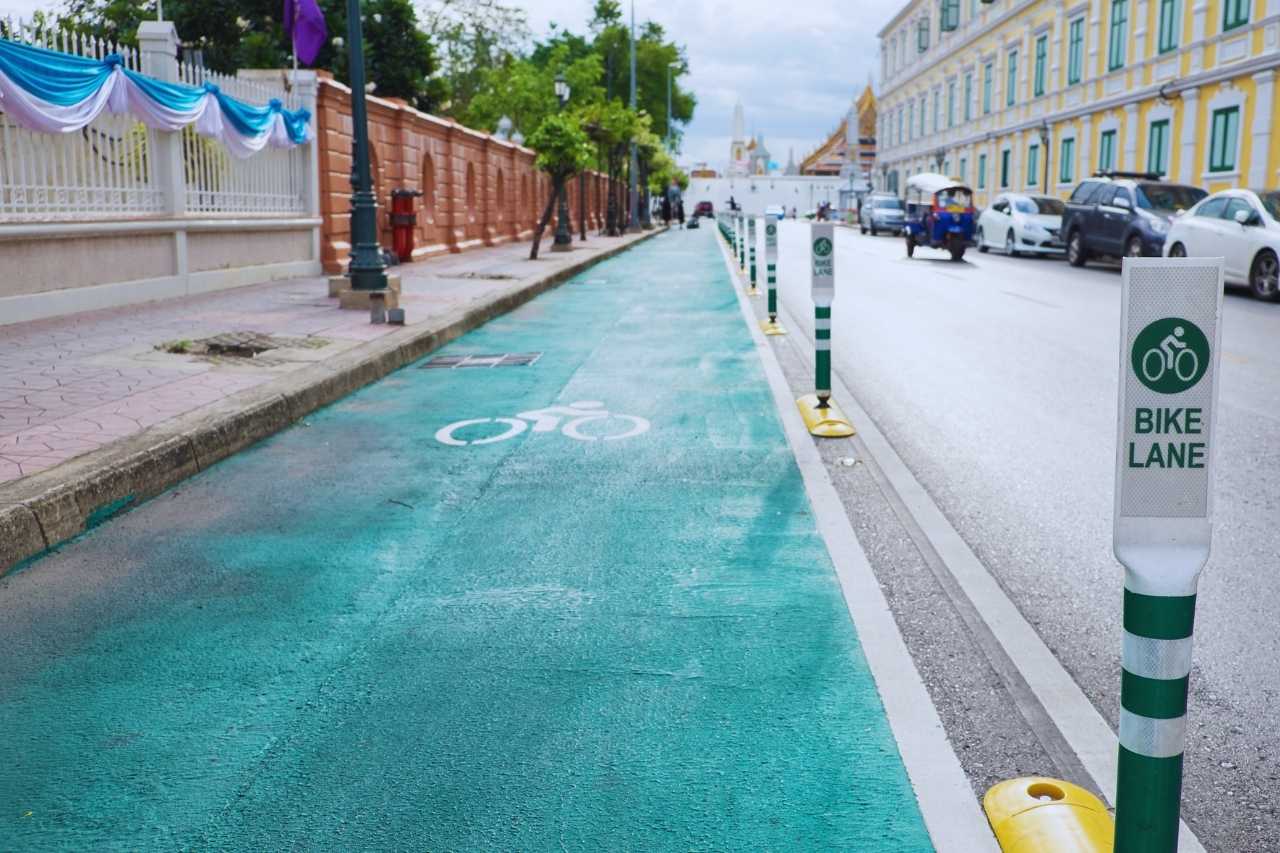
Transforming urban streetscapes doesn’t require unanimous consent; in fact, striving for 100% approval can hinder progress. This misconception often traps local administrators in bureaucratic and political inertia, delaying essential projects like school streets, 30 km/h zones, or new cycling lanes. Urban planning teaches us that waiting for complete consensus can lead to stagnation.
At the Velo-city 2026 conference in Rimini, the Thailand Walking and Cycling Institute Foundation presented data from tactical urbanism pilot projects in Bangkok’s neighborhoods. Their findings were clear: if a street intervention doesn’t generate any complaints, it’s likely not making an impact. This underscores the importance of implementing changes and allowing the community to experience them firsthand.
Traditional opinion polls conducted before projects often involve a small, conservative segment of the population, primarily concerned about losing parking spaces or driving speed. Waiting for unanimous approval from such groups can result in inaction. Resistance to change is a natural, inevitable part of urban transformation. Effective urban planning relies on statistical data and structured evidence to guide decisions that benefit the community’s health and well-being.
In Bangkok, the effectiveness of redesigned streets was demonstrated through a scientific method involving tight temporal monitoring. Data was collected before the intervention, immediately after the tactical installation, and even after a provocative removal. The immediate effect of transforming a street using paint, planters, and modular elements to reduce car parking and allocate space to pedestrians and cyclists was evident. Citizens directly experienced a different reality.
Clear and transparent communication is crucial during such transformations. Authorities must explain the what, where, when, and especially the why of the changes, supporting each square meter reclaimed with data on reduced accidents and improved local commerce.
The key to successful urban transformation lies not in a magic formula but in a political quality often underestimated: persistence. Facing inevitable protests from irate motorists or petitions from “No to everything” committees, the temptation to backtrack is strong. The lesson from Velo-city 2026 is a call to hold the line. Patience is essential; sticking to evidence-based decisions and consistently implementing interventions until the novelty becomes part of the urban routine is vital. Only when the exception becomes the norm do citizens stop noticing the lost parking and start enjoying the reclaimed public space. At that point, reversing the changes becomes impossible for everyone.
In summary, urban transformation doesn’t require unanimous consent. By implementing evidence-based changes, communicating transparently, and demonstrating patience, cities can evolve into healthier, more sustainable environments for all.