
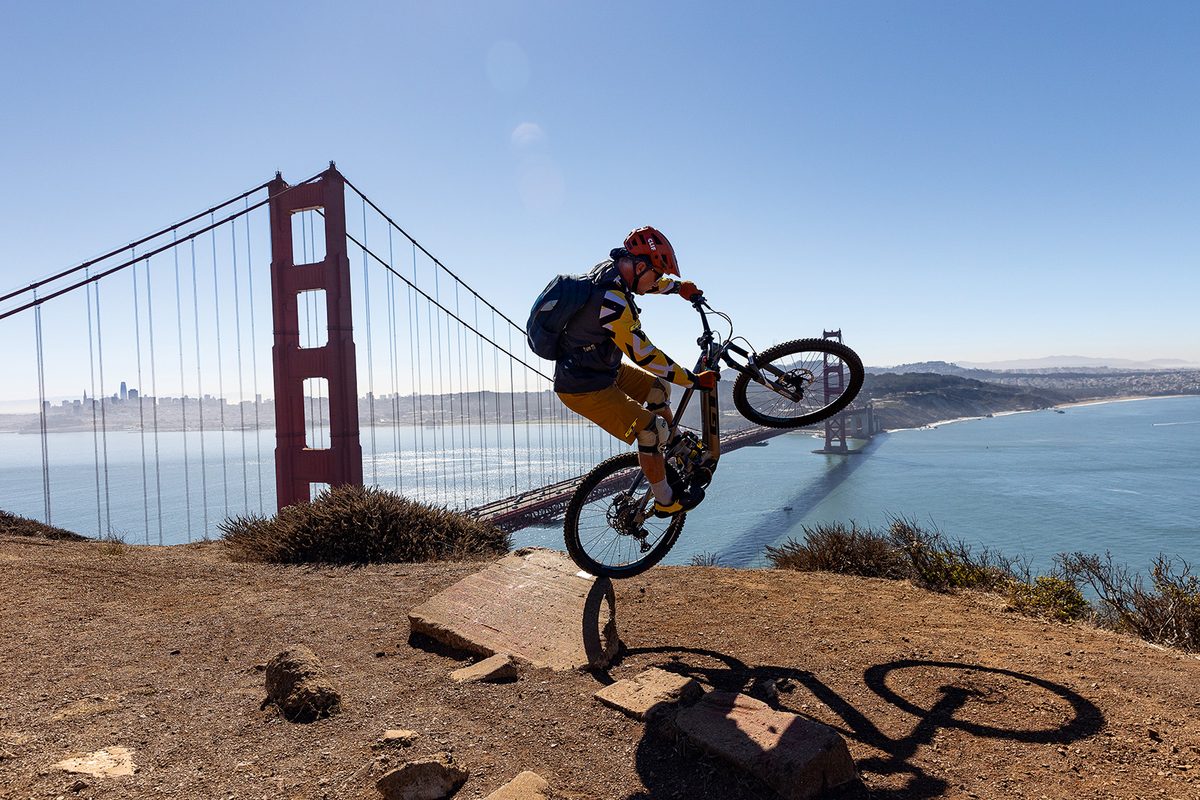
Mountain biking icon Hans Rey has recently addressed the bicycle industry, urging for clearer definitions and regulations concerning electric bikes (e-bikes). In an open letter, Rey emphasizes the necessity to delineate between various e-bike categories to prevent confusion and potential restrictions on trail access.
The Need for Clear Definitions
Rey highlights the current ambiguity in e-bike classifications, noting that the term “e-bike” is often used to describe a wide range of vehicles—from lightweight pedal-assist mountain bikes to electric mopeds and full-fledged electric motorcycles. This lack of precision has led to misunderstandings among land managers, other trail users, and lawmakers. Rey argues that without clear definitions, external entities may impose regulations that could adversely affect the e-bike community.
Proposed Classifications
To address this issue, Rey proposes the following classifications:
-
E-bicycle (EMTB): Class 1 pedal-assist only (20 mph max assist, 750W max peak power).
-
E-moped: Throttle-equipped or faster than 20 mph or exceeding 750W, including Class 2 & 3.
-
E-motorcycle: High-power electric motorcycles well beyond bicycle-level performance.
He advocates for mandatory clear labeling on all electric vehicles, specifying their category, assist speed, and peak motor power. This approach aims to enhance clarity and accountability within the industry.
The Significance of the 750-Watt Limit
Rey underscores the importance of the 750-watt peak power limit, stating that it plays a crucial role in determining whether a vehicle is classified as a bicycle or a motorcycle. Vehicles exceeding this limit may face restrictions on trails and bike paths. He warns that allowing power creep—higher torque, faster acceleration, and motorcycle-like performance—could lead to increased regulations and diminished access.
Industry Response and Legislative Developments
Rey’s call to action comes amid growing legislative scrutiny of e-bikes. For instance, in New Jersey, proposed legislation would require insurance, registration, and motorcycle helmets for electric bikes, potentially restricting their access to trails. Similarly, California lawmakers are working to reinforce the 750W peak limit to improve safety and preserve trail legality. (pinkbike.com)
A Call to Responsibility
Rey urges various stakeholders to take responsibility:
-
Manufacturers: Avoid prioritizing higher power outputs at the expense of long-term access.
-
Media and Marketers: Use precise language to help define and defend the e-bike category.
-
Riders: Ride responsibly and understand the implications of their choices on trail access.
-
Advocates and Trade Groups: Defend Class 1 e-bikes clearly and consistently, advocating for self-regulation until laws are defined.
Rey concludes by emphasizing the need to balance power advancements with the preservation of trail access, urging the industry to consider how much power is appropriate rather than how much is permissible.
This initiative by Hans Rey serves as a pivotal moment for the e-bike industry, highlighting the importance of clear definitions and responsible practices to ensure the continued enjoyment and accessibility of mountain biking trails for all enthusiasts.