
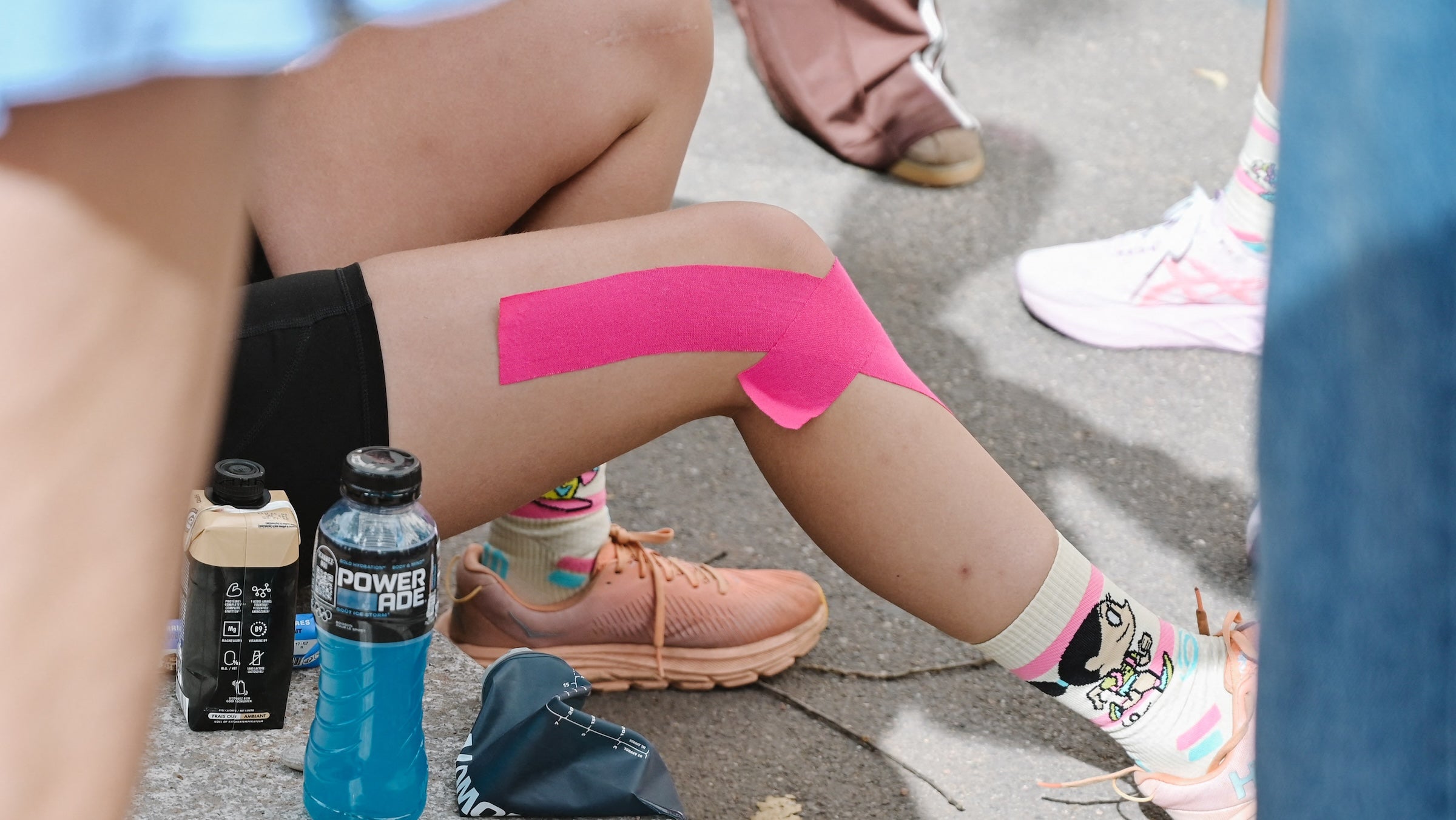
Running is a cherished activity for many, offering not only physical benefits but also social engagement and mental clarity. However, knee pain is a common concern that can impede one’s running routine. Understanding the causes and implementing preventive measures are essential to maintain a healthy running experience.
Understanding the Causes of Knee Pain in Runners
Knee pain in runners often arises from several factors:
-
Overtraining: Rapid increases in running intensity or mileage can overwhelm the knee joint, leading to overuse injuries. It’s advisable to increase weekly mileage by no more than 10% to allow the body to adapt gradually. (spineandpainla.com)
-
Improper Footwear: Worn-out or ill-fitting shoes can fail to provide adequate support, causing misalignment and additional stress on the knees. Regularly replacing running shoes and ensuring they match your foot type and running style is crucial. (spineandpainla.com)
-
Muscle Imbalances: Weaknesses in the quadriceps, hamstrings, or glutes can lead to improper running mechanics, placing undue stress on the knees. Strengthening these muscle groups through targeted exercises can enhance stability and reduce injury risk. (runnersmd.com)
-
Biomechanical Misalignment: Issues such as overpronation or hip instability can disrupt natural movement patterns, affecting knee alignment and increasing injury risk. Consulting with a physical therapist or running coach can help identify and correct these misalignments. (anacondafightwear.co)
Preventive Measures to Protect Your Knees
To safeguard your knees and continue enjoying running, consider the following strategies:
-
Gradual Training Progression: Increase your running distance and intensity slowly to prevent overloading the knees.
-
Appropriate Footwear: Invest in quality running shoes that offer proper support and cushioning, and replace them regularly to maintain their effectiveness.
-
Strength Training: Incorporate exercises like squats, lunges, and leg presses into your routine to build lower body strength and improve joint stability. (spineandpainla.com)
-
Cross-Training: Engage in activities such as cycling or swimming to maintain cardiovascular fitness while reducing repetitive stress on the knees.
-
Stretching and Flexibility: Regularly stretch the muscles surrounding the knee to maintain flexibility and prevent tightness that can lead to injury.
-
Monitor Running Surfaces: Opt for softer terrains like grass or trails when possible to reduce the impact on your knees.
When to Seek Medical Attention
If you experience persistent knee pain, swelling, or discomfort that doesn’t improve with rest and self-care measures, it’s important to consult a healthcare professional. Early intervention can prevent more serious injuries and ensure a safe return to running.
By understanding the causes of knee pain and implementing preventive strategies, runners can enjoy a long and injury-free running journey.