
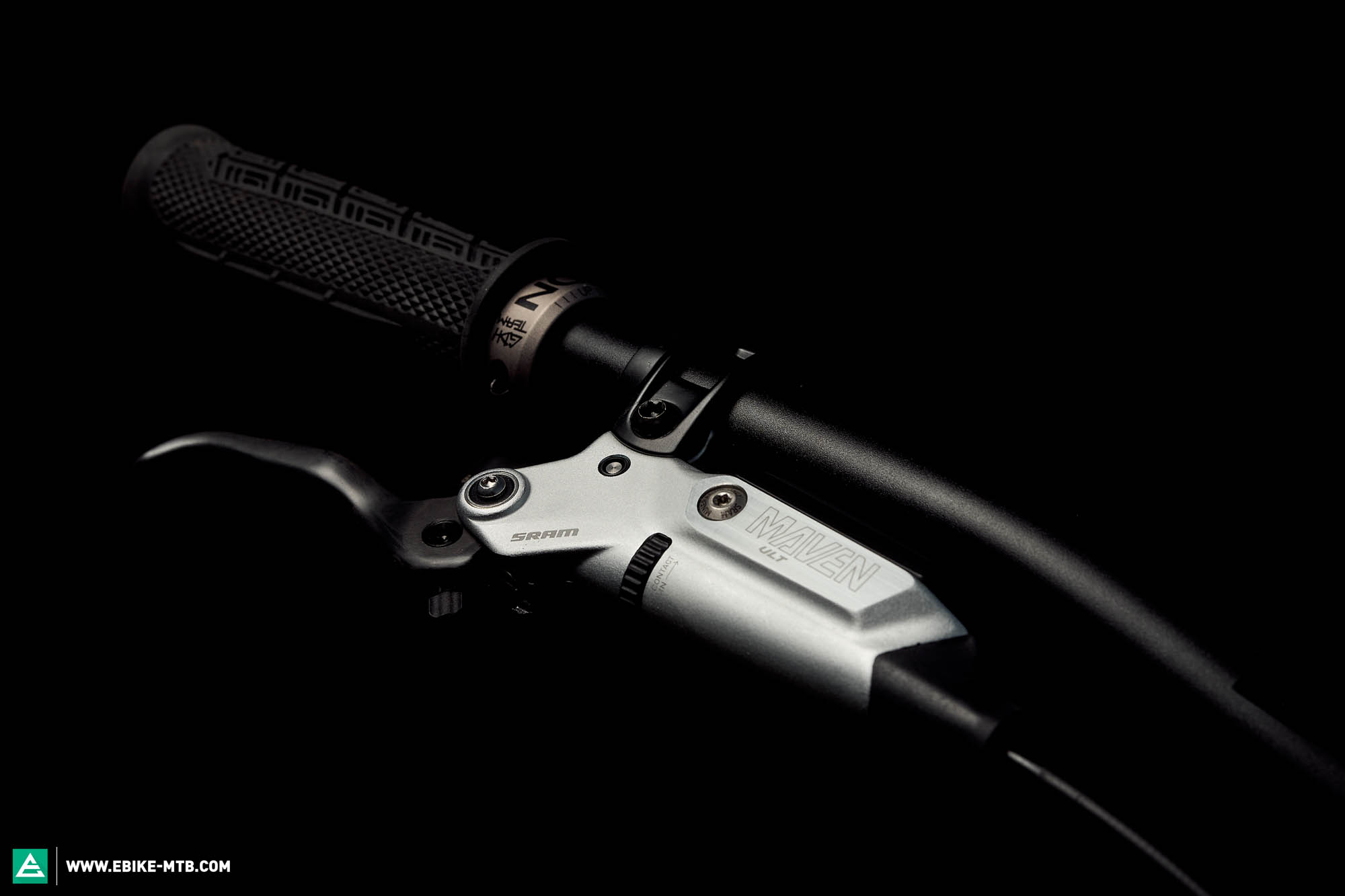
SRAM’s Maven brake system has long been a staple in the gravity segment, renowned for its robust four-piston design and exceptional stopping power. However, riders have occasionally reported issues such as noticeable initial resistance and persistent bleeding problems. In response, SRAM has introduced the Maven B1 series, featuring a redesigned SwingLink mechanism, new lever designs, and optimized gearing. We’ve had the opportunity to test the updated Maven brakes to determine if these enhancements effectively address previous concerns.
Enhanced SwingLink Mechanism
Central to the Maven B1’s redesign is the new SwingLink system, which aims to provide a lighter lever feel and eliminate the initial resistance that some riders found problematic. This adjustment is intended to improve modulation and overall braking performance. The hydraulic path has been shortened, and more mechanical leverage is introduced towards the end of the lever stroke. This design change facilitates a more defined ramp-up in braking force, allowing the system to build pressure more progressively in the final third of the lever pull. The initial resistance, or “breakaway torque,” has been reduced from 8 Nm to 4.25 Nm, enhancing the overall braking experience. (bikemag.com)
Lever and Caliper Refinements
The Maven B1 series introduces new lever blades and updated finishes across all models. The Ultimate model now features a carbon lever blade, offering a familiar tactile feel with improved cold-weather performance. The Silver model is equipped with a stiff, forged aluminum lever blade with a precisely machined weight-reduction cutout, complemented by black-on-black hardware for a stealthy appearance. The Bronze model utilizes the same forged blade design but lacks the machined cutout and features a black anodized finish, ensuring compatibility with various bike builds. (bikemag.com)
Caliper modifications include adjustments to the piston diameters. The previous Maven model used two 18 mm pistons and two 19.5 mm pistons. The updated B1 series standardizes all four pistons to 18 mm, aligning the hydraulic leverage ratio with the new SwingLink system. (bikemag.com)
Pricing and Availability
The Maven B1 Ultimate brake is priced at €325, while the Silver model is available for €290. These prices reflect the advanced features and performance enhancements of the new series. (bikemag.com)
Upgrade Kit for Existing Maven Models
For riders with existing Maven A1 models, SRAM offers a retrofit kit to upgrade to the new SwingLink system. This kit is fully backward-compatible, allowing users to enhance their current setup without the need for a complete brake replacement. The upgrade is straightforward, taking approximately ten minutes to install, and does not require a brake bleed. The Ultimate and Silver kits are priced at €120. (bikemag.com)
On-Trail Performance
Our testing of the Maven B1 Ultimate brakes in Queenstown, New Zealand, revealed a noticeably lighter lever feel with the new SwingLink system. The previously present initial resistance has been significantly reduced, enhancing modulation and overall braking performance. This improvement is particularly beneficial for riders who prefer a more responsive brake feel. However, it remains to be seen whether the OEM brake installation issues that led to frequent bleeding in earlier models have been fully addressed. (bikemag.com)
Conclusion
The SRAM Maven B1 series represents a thoughtful refinement of an already formidable braking system. The introduction of the SwingLink mechanism and lever design updates effectively address previous concerns, offering a more intuitive and responsive braking experience. While the core performance characteristics remain unchanged, these enhancements contribute to a more refined and user-friendly brake system. For riders seeking top-tier braking performance in the gravity segment, the Maven B1 series is a compelling option.
For more information, visit SRAM’s official website. (sram.com)
Note: This review is based on information available up to February 2026.