
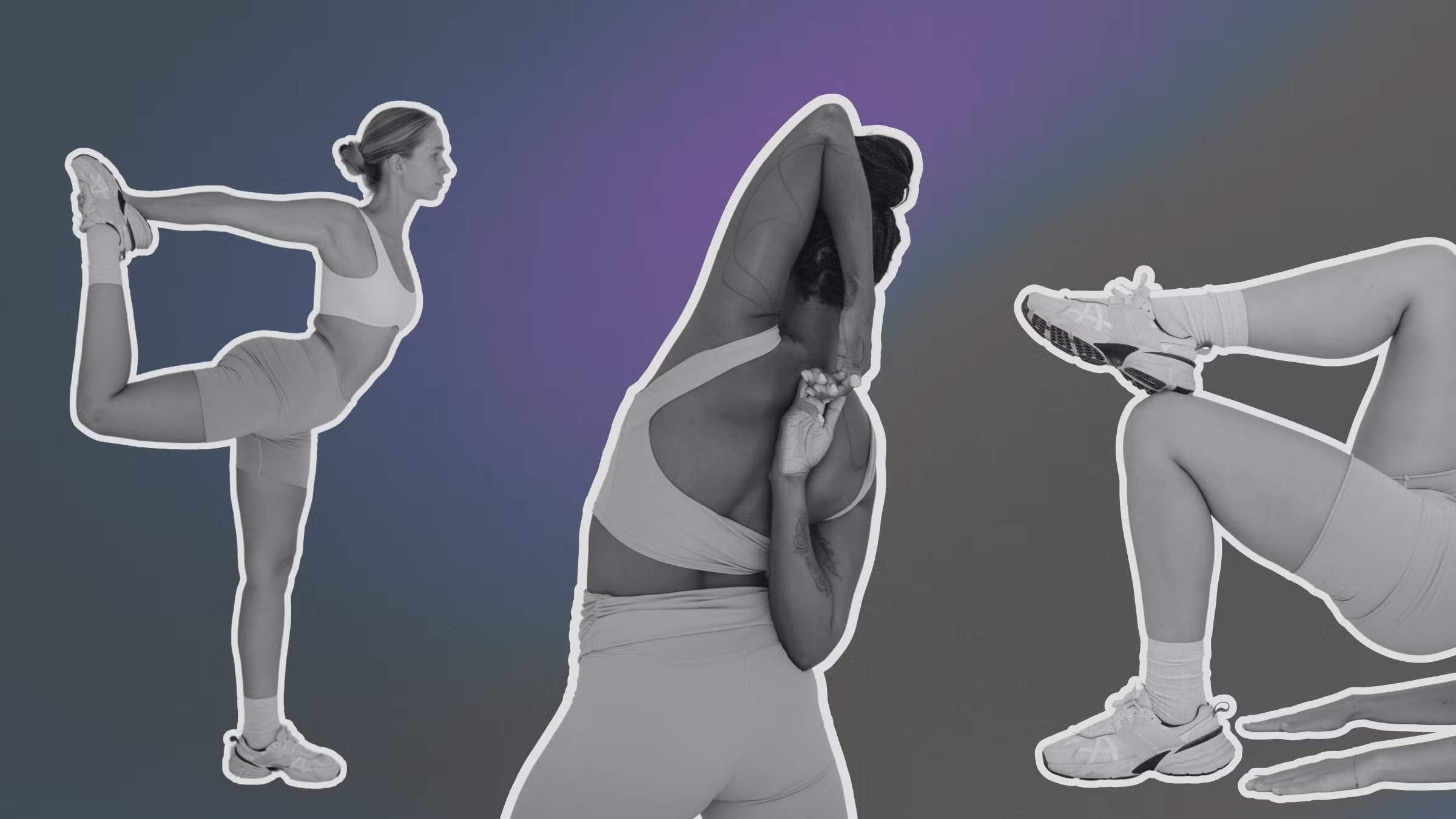
Integrating Pilates into your running regimen offers a multitude of benefits that can enhance performance and reduce the risk of injury. This low-impact exercise method focuses on strengthening the core, improving flexibility, and correcting muscle imbalances—factors crucial for runners.
Understanding the Synergy Between Pilates and Running
Running is a repetitive, high-impact activity that predominantly engages certain muscle groups, often leading to overuse and neglect of others. This imbalance can result in injuries and decreased efficiency. Pilates addresses these issues by targeting the deep stabilizing muscles of the core, hips, and pelvis, promoting better posture and alignment. By incorporating Pilates, runners can achieve a more balanced and resilient physique, enhancing overall performance.
Key Benefits of Pilates for Runners
-
Enhanced Core Strength and Stability: A strong core is essential for maintaining proper running form and preventing fatigue. Pilates exercises engage deep abdominal muscles, improving stability and power transfer during runs. This leads to more efficient movement and reduced energy expenditure.
-
Improved Flexibility and Range of Motion: Regular Pilates practice increases muscle elasticity, reducing tightness and the risk of strains. This flexibility allows for smoother strides and better overall mobility.
-
Correction of Muscle Imbalances: Running often leads to overdeveloped quadriceps and underactive glutes and hamstrings. Pilates exercises target these neglected muscle groups, promoting balanced strength and reducing the likelihood of overuse injuries.
-
Increased Postural Awareness: Pilates emphasizes mindful movement and body awareness, helping runners maintain proper posture. This awareness translates to improved running mechanics and reduced strain on joints and muscles.
Recommended Pilates Exercises for Runners
Incorporating specific Pilates exercises can address common issues faced by runners:
-
Single-Leg Deadlift (Hip Hinge): This movement strengthens the hamstrings and glutes while improving ankle stability. It mimics the single-leg stance in running, enhancing balance and coordination.
-
Side-Lying Leg Lifts: Targeting the gluteus medius, this exercise improves lateral hip strength, crucial for pelvic stability and efficient running form.
-
Heel Raises Off a Step: Strengthening the calves and improving ankle mobility, this exercise helps prevent lower leg injuries common among runners.
Integrating Pilates into Your Running Routine
To reap the full benefits, aim to incorporate Pilates into your training two to three times per week. Even brief, consistent sessions can lead to significant improvements in strength, flexibility, and overall running performance. Remember, the key is consistency and mindful practice.
By embracing Pilates, runners can build a more resilient and efficient body, leading to enhanced performance and a reduced risk of injury.