
Exploring Italy’s Billion-Euro Slow Tourism: The Fusion of Cycling and Equestrian Adventures
Italy’s slow tourism sector is experiencing a remarkable surge, with the integration of cycling and equestrian activities contributing significantly to its economic growth. This innovative approach not only offers immersive travel experiences but also promotes environmental sustainability and cultural appreciation.
The Rise of Cycling and Equestrian Trails
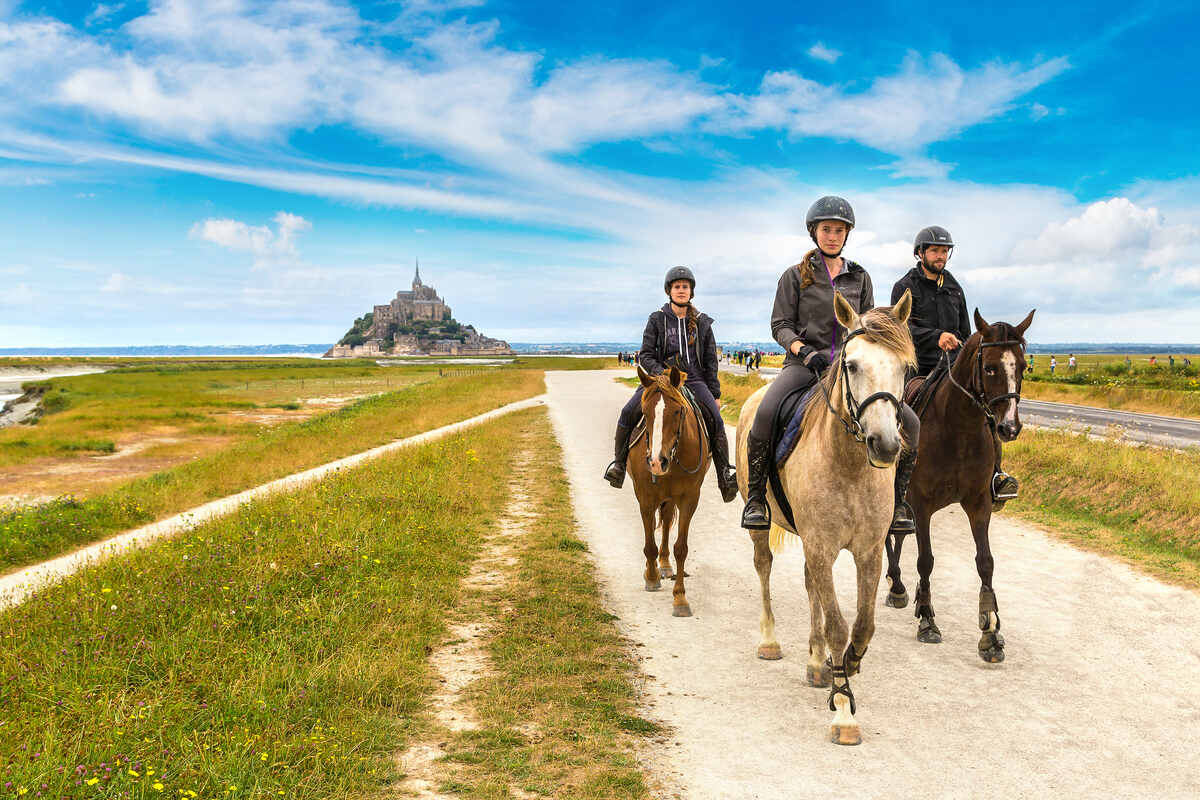
Across Italy, a network of cycling and equestrian trails, known as “ciclovie” and “ippovie,” is being developed to connect travelers with the country’s rich natural landscapes and historical sites. These paths traverse diverse terrains, including ancient roads, former railways, and scenic countryside, providing unique opportunities for exploration. The coexistence of cyclists and equestrians on these trails necessitates the establishment of supportive infrastructure, such as rest areas and accommodations, to ensure a harmonious and enjoyable experience for all.
Economic Impact and Sustainable Development
The fusion of cycling and equestrian tourism is not only enhancing Italy’s appeal as a destination but also driving substantial economic benefits. A 2021 study by the Luiss Business School and the Italian Equestrian Federation estimated that the equestrian sports sector contributes between €2.3 to €3 billion to Italy’s GDP. This growth is attributed to increased demand for specialized services, including guided tours, equipment rentals, and hospitality tailored to these activities. Moreover, the emphasis on slow tourism aligns with sustainable development goals, fostering environmental stewardship and preserving cultural heritage.
Challenges and Considerations
Despite the promising growth, the development of integrated cycling and equestrian trails presents several challenges. Ensuring the safety and comfort of both cyclists and equestrians requires meticulous planning, particularly concerning trail maintenance and the construction of suitable infrastructure. Additionally, addressing seasonal fluctuations in demand and managing the environmental impact of increased tourism are crucial for the long-term sustainability of these initiatives.
Looking Ahead
The upcoming Cycle Tourism Show, scheduled for March 27–29, 2026, in Padua, Italy, will serve as a pivotal platform for stakeholders in the cycling tourism sector. This event aims to foster collaboration, share best practices, and explore new opportunities for integrating cycling and equestrian tourism, thereby contributing to the continued growth and diversification of Italy’s slow tourism industry. (cycletourismshow.com)
In conclusion, the convergence of cycling and equestrian activities within Italy’s slow tourism framework offers a compelling model for sustainable and enriching travel experiences. By embracing this integrated approach, Italy not only enhances its appeal as a premier destination but also sets a benchmark for responsible tourism development worldwide.