
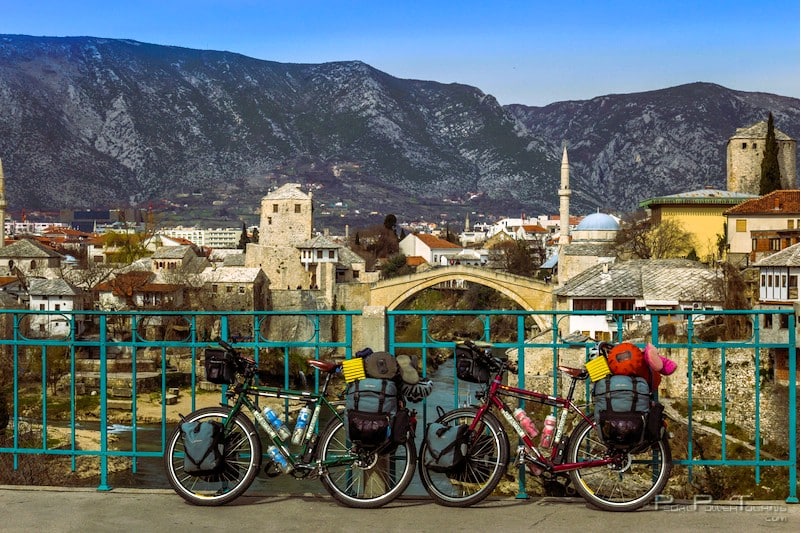
Staying Connected While Cycling Across Europe: A Guide to Seamless Mobile Data
As avid cyclists, embarking on long-distance tours across Europe often presents the challenge of maintaining reliable mobile connectivity. Whether it’s checking weather forecasts, navigating unfamiliar terrains, or sharing your journey with loved ones, uninterrupted internet access is essential. Traditional roaming services can be costly and cumbersome, especially when crossing multiple borders. A more efficient solution is the use of a travel eSIM, which offers seamless connectivity without the hassle of swapping physical SIM cards at each frontier.
Understanding the Role of Mobile Connectivity in Cycling Tours
During your cycling adventures, your smartphone serves multiple critical functions:
-
Navigation: Apps like Komoot, Wikiloc, or OsmAnd provide offline maps and real-time routing, essential for exploring new regions.
-
Weather Updates: Accessing up-to-date weather forecasts helps in planning your daily rides and preparing for unexpected changes.
-
Location Sharing: Keeping friends and family informed about your whereabouts ensures safety and peace of mind.
-
Logistical Support: Finding accommodations, bike repair shops, or local services becomes straightforward with internet access.
-
Social Media Sharing: Documenting and sharing your experiences enriches your journey and connects you with fellow cycling enthusiasts.
-
Emergency Assistance: In unforeseen situations, having access to the internet allows for quick communication and assistance.
Challenges with Traditional Roaming Services
While European Union (EU) regulations have standardized roaming charges within member countries, several European nations are not part of this agreement, including Switzerland, the United Kingdom, Andorra, Turkey, and the Balkans (Albania, Bosnia, Serbia, Montenegro, North Macedonia). In these regions, traditional roaming can be prohibitively expensive, with data charges escalating significantly. Additionally, many mobile plans impose data limits, which can be restrictive during extended tours.
Introducing the Travel eSIM: A Cyclist’s Best Companion
A travel eSIM is a digital SIM card that allows you to access mobile data without the need for a physical SIM card. This technology enables you to install a data plan directly onto your device, providing seamless connectivity across multiple countries. The process is straightforward:
-
Select a Plan: Choose a data plan that aligns with your travel itinerary, considering factors like data allowance and duration.
-
Purchase and Receive Activation Details: After purchasing, you’ll receive a QR code or activation details via email.
-
Install the eSIM: Using your device’s settings, scan the QR code or enter the activation details to install the eSIM before your departure.
-
Activate Upon Arrival: Once you arrive at your destination, activate the eSIM to begin using mobile data.
Advantages of Using a Travel eSIM for Cycling Tours
-
Broad Coverage: Many eSIM providers offer plans that cover multiple European countries, including those outside the EU, ensuring continuous connectivity.
-
Cost-Effectiveness: eSIM plans often provide competitive rates compared to traditional roaming, especially for multi-country travel.
-
Convenience: With eSIM, there’s no need to purchase and swap physical SIM cards in each country, streamlining your travel experience.
-
Device Compatibility: Modern smartphones, including recent models from Apple, Samsung, and Google, support eSIM technology. Ensure your device is unlocked and compatible before purchasing an eSIM.
Top eSIM Providers for European Travel
Several reputable eSIM providers cater to travelers in Europe:
-
Airalo: Offers a variety of regional and global eSIM plans with competitive pricing and extensive coverage. (techradar.com)
-
Nomad: Provides flexible data bundles and durations, with strong coverage in Western Europe and Southeast Asia. (techradar.com)
-
Saily: Known for its high-speed data and unlimited tethering options, Saily covers 35 European countries, making it ideal for multi-country tours. (youtube.com)
Practical Tips for Using eSIMs During Your Cycling Tour
-
Pre-Trip Installation: Install the eSIM before leaving home to avoid connectivity issues upon arrival.
-
Offline Maps: Download offline maps and essential information using Wi-Fi before your trip to conserve data and ensure access in areas with limited connectivity.
-
Data Management: Monitor your data usage to avoid exceeding your plan’s limits, especially when sharing data or using high-bandwidth applications.
-
Device Settings: Configure your device to prioritize the eSIM for data usage, ensuring optimal performance.
Conclusion
Embracing a travel eSIM can significantly enhance your cycling adventures across Europe by providing reliable and cost-effective mobile connectivity. By selecting the right plan and preparing accordingly, you can stay connected, informed, and share your experiences effortlessly throughout your journey.
For a visual guide on selecting the best eSIM for Europe, you might find the following video helpful:
Best eSIM in Europe – What Most Travelers Get Wrong