
5 Essential Strategies for Implementing Cycling Infrastructure Amidst Public Opposition
In Italian cities, where car-centric planning often prevails, efforts to transform urban mobility frequently encounter significant resistance. Local media sensationalize potential disruptions, and political figures hesitate in the face of public dissent. This creates a challenging environment that can lead to hesitant and fragmented initiatives.
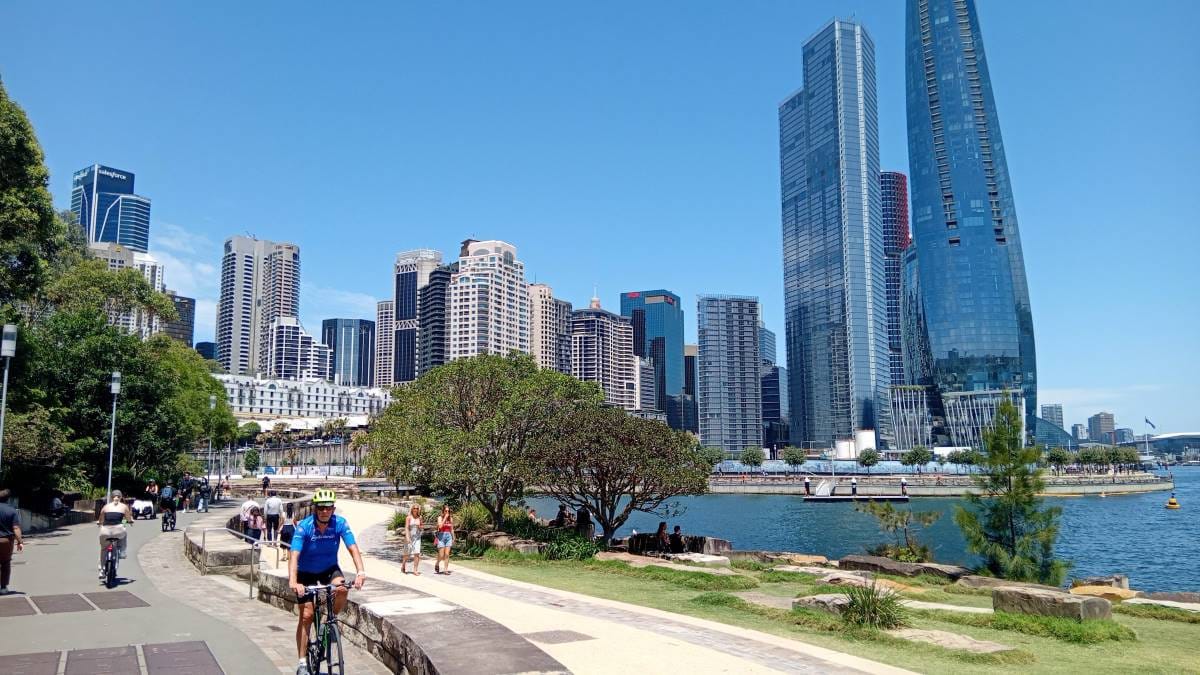
However, change is possible. The transformation of Sydney, Australia, between 2010 and 2026, serves as a compelling example. During this period, Sydney expanded its protected cycling lanes from 4 to over 30 kilometers, tripling daily cyclist numbers. This achievement occurred in a city with complex topography and a politically challenging climate, demonstrating that substantial progress is attainable even in less-than-ideal conditions.
Drawing from Sydney’s experience, here are five key strategies that Italian cities can adopt to successfully implement cycling infrastructure:
1. Amplify the Voice of the Silent Majority
Public debates often amplify the concerns of a vocal minority—angry motorists or apprehensive business owners—creating a perception of widespread opposition. Sydney countered this by actively engaging the “silent majority” through structured surveys and targeted listening campaigns. The findings revealed that most citizens desired safer streets for their children and viewed cycling as a positive addition. Presenting this data to policymakers can empower them to pursue projects with greater confidence.
2. Integrate Urban Planners and Designers into Project Teams
In Italy, cycling lanes often fail or appear unattractive because they are designed solely by traffic engineers focused on vehicle flow, neglecting aesthetic and functional aspects. Sydney recognized that a cycling lane is not just a strip of asphalt but a component of urban regeneration. By incorporating architects, urban planners, and landscape designers into project teams, Sydney ensured that new cycling lanes enhanced the overall quality of the streetscape, introducing elements like trees, wider sidewalks, and improved lighting. This approach transformed cycling infrastructure into a community asset rather than a perceived loss of space.
3. Avoid Paralysis by Perfectionism
A common bureaucratic tactic is to demand continuous impact studies, endless preliminary monitoring, and microscopic simulations before taking any action. This strategy leads to permanent postponement and inaction. Sydney adopted a pragmatic approach, moving forward based on macro-level evidence without waiting for every variable to be precisely calculated. They collected data in the field, experimenting, adjusting barriers, and measuring the increase in actual cyclists month by month. This action-oriented mindset prioritized progress over analysis paralysis.
4. Focus on 2-3 Major Corridors Simultaneously
Fragmentation is the death of urban cycling. Implementing one kilometer per year in three different neighborhoods results in isolated lanes that no one uses, fueling the rhetoric of “money wasted on empty lanes.” Sydney concentrated its resources on developing two or three main, continuous corridors that connected major residential areas with the financial and commercial center. By creating a complete, safe route from start to finish, they immediately established a critical mass. Cyclists appeared as soon as the infrastructure became useful for daily commuting.
5. Embrace Public Backlash as a Success Indicator
The final strategy is a lesson in political resilience: complaints are proof that change is happening. If an urban intervention doesn’t generate controversy, it means it hasn’t altered the city’s car-centric balance. Sydney faced fierce media coverage and personal attacks from national government figures. But their determination to defend the space they had gained paid off: once the network was completed, the benefits in terms of public health, reduced pollution, and economic vitality of shops along the cycling lanes became so evident that even the most vocal critics had to concede. Transitioning away from the status quo requires leadership that looks to the future.
By adopting these strategies, Italian cities can navigate the challenges of implementing cycling infrastructure and create urban environments that are safer, healthier, and more sustainable for all residents.